What You Need to Know
Starting May 1, 2026, China will implement a zero-tariff policy for 53 African countries, significantly enhancing trade relations. This initiative aims to boost economic growth, create jobs, and improve export opportunities across various sectors, including agriculture and manufacturing, while fostering deeper cooperation between China and Africa.
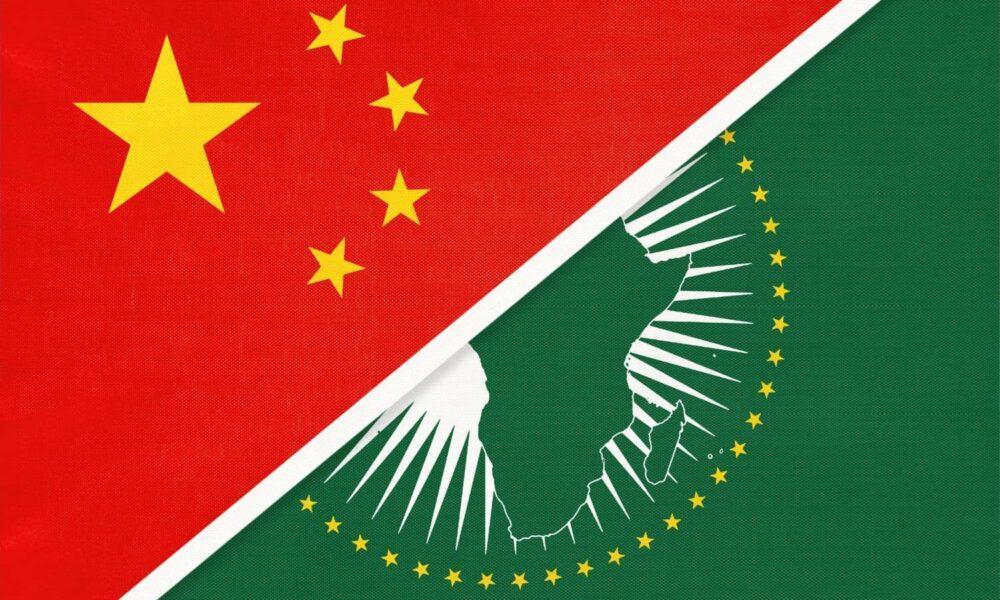
Africa-Press – Eritrea. STARTING May 1, 2026, China will fully implement zero-tariff treatment on 100 per cent of tariff lines for 53 African countries that have established diplomatic relations with China. This historic step is set to considerably change global trade relations.
The policy tone for the country’s development under the CPC’s leadership is established by the initiative, which was unveiled by Chinese leadership during engagements with African policymakers and also featured at the Communist Party of China (CPC), leadership and national legislative bodies at the Two Sessions (the National People’s Congress and the National Committee of the Chinese People’s Political Consultative Conference, NPC and CPPCC) held in March 2026 in Beijing.
It is widely recognised as a significant stride toward the strengthening of economic ties between China and the African continent, as its objective is to establish strategic, economic and technological blueprints for the forthcoming five-year period.
This policy shift represents unparalleled access to the world’s second-largest economy for Africa and its future development prospects. It represents a strategic recalibration for China designed to strengthen geopolitical cooperation, secure supply chains and deepen trade partnerships.
Analysts have therefore characterised the decision as a “win-win” and mutually beneficial measure with the potential to influence development trajectories across Africa.
This analysis, unlike others that may hold different views on China’s tariff policy, examines the economic advantages of China’s zero-tariff approach, highlights key strategic prospects and, for example, presents five selected case studies showing how tariff removal could transform trade, industrialisation and livelihoods across the continent.
It is now widely recognised that the global trade system is undergoing a significant transformation, characterised by increased competition among major economic powers, the realignment of supply chains and the rise of protectionism. In this context, China’s decision to offer African exports zero-tariff access signals a deliberate and, more importantly, strategic shift towards market openness and South–South economic cooperation through the Belt and Road Initiative.
In the past, African products have been subject to limited or conditional access to developed markets. Effectively, China’s policy establishes one of the most extensive free-market access arrangements for African exports of high-quality goods, extending duty-free treatment beyond the least-developed countries to nearly the entire continent. This indirectly enables African nations to expand their value addition.
This action is anticipated to considerably improve Africa’s trade prospects and send a strong message in favour of global economic cooperation.
The economic benefits for African economies are numerous and will have long-term multiplier effects. From a strategic viewpoint, the cost of exporting commodities to China is reduced to zero tariffs, which then boosts the competitiveness of African products in Chinese markets. African exporters may be able to increase sales volumes in sectors such as agriculture, mining, textiles and manufactured goods through the removal of tariffs across all tariff lines, effective from the specified date.
Practically, this could result in higher foreign exchange earnings, better trade balances and increased fiscal space for African governments to fund development projects and generate numerous job opportunities along the way.
The need for export diversification and industrialisation is crucial for African nations, as their economies have historically relied heavily on basic commodity exports. Incentives for value addition and industrial upgrading are created by the zero-tariff initiative, which allows processed products to enter China at competitive prices, as long as they meet China’s market-entry requirements and standards.
This is particularly important for countries aiming to enhance the global value chain by growing their agro-processing, light manufacturing and resource beneficiation industries, as tariff restrictions fluctuate in other regions.
Job creation and poverty reduction are key outcomes of expanding processing and adding value, a fact that many people are unaware of. Increased export opportunities can stimulate domestic production and employment. As demand from China grows, African businesses may expand their operations, leading to new jobs in agriculture, logistics, manufacturing and services. Elevated export demand for agricultural products can directly improve living standards and incomes for households in many rural areas.
Why are there strategic opportunities for Africa? China’s zero-tariff policy goes beyond trade liberalisation. It is part of a broader framework of economic cooperation that includes industrial investment, technology transfer, infrastructure financing and development partnerships.
It is clear that China has invested heavily in industrial parks, roads, railways and ports across Africa when examining the infrastructure-trade connection. These investments aim to boost export flows and reduce trade costs. Improving logistics networks shortens transit times and enhances competitiveness, enabling African exporters to benefit from tariff-free access to Chinese markets.
China’s policy may also promote deeper financial ties, such as cross-border investments, currency exchange agreements and trade financing, by strengthening trade. These mechanisms can reduce transaction costs and boost liquidity in African economies, enabling them to use financial tools that support their development and repay their concessional loans.
The advantages African nations are experiencing are highlighted by the numerous examples of the zero-tariff policy that China has offered to access its market under the open reform policy, which has already been implemented in African countries.
I will provide a few examples to illustrate the potential benefits of this zero-tariff policy for African nations in the future, as space is limited. This will be achieved by recognizing their potential and implementing effective policies.
Agriculture Exports from Zambia: The agricultural sector of Zambia has the potential to benefit substantially from the removal of tariffs. Farm incomes will rise and rural economic growth will be stimulated by increased demand for products such as soybeans, maize and horticultural commodities from China. This offers an opportunity to diversify Zambia’s economy and boost exports. Over time, the potential multiplier effects will include strengthened food processing industries, expanded transport services and greater financial inclusion for producers.
Mining and Industrial Development in South Africa: The strategic importance of tariff-free access has been emphasised by South Africa’s efforts to improve trade relations with China. Framework agreements aimed at ensuring duty-free entry for key exports will support industries such as agriculture and mining. China’s policy offers an alternative growth route for a country seeking new export markets amid global trade tensions. Increased mineral exports will undoubtedly generate revenue for industrial modernisation and renewable energy investments.
Textile Manufacturing in Ethiopia: Ethiopia’s growing textile sector offers a strong example of how zero tariffs can support and speed up industrialisation. Ethiopian manufacturers will be better able to compete with producers in Asia and Latin America thanks to their dutyfree access to Chinese markets. This will encourage technology transfer, create jobs in urban manufacturing hubs and attract foreign investment in industrial parks.
Cocoa Value Addition in Ghana: It is widely recognised that Ghana’s cocoa industry has historically exported unprocessed beans rather than refined chocolate products. Ghanaian firms will now be able to realise a higher value in global markets, as tariff elimination will continue to create incentives for domestic processing. In addition to strengthening local supply chains, increased exports of finished products could also generate additional fiscal revenues and support smallholder farmers.
Cashew and Agricultural Processing in Tanzania: Tanzania’s exports of cashew nuts, coffee, sesame and avocados are set to undergo a substantial transformation due to zero tariffs. Tanzanian producers might consider investing in processing facilities to export higher-value products instead of basic commodities, provided they gain better market access. This change could lead to increased export revenues, support rural industrialisation and reduce vulnerability to commodity price fluctuations.
The question that may arise is, what are the mutual benefits for China? China gains strategic advantages from the zero-tariff policy, while African countries receive market access. The CPC meeting clearly emphasised that China’s industrial growth, especially after opening up and as it continues, requires stable supplies of energy resources, agricultural inputs and minerals to foster greater shared prosperity. China can and will strengthen the resilience of its supply chain and decrease its dependence on other suppliers by bolstering its trade partnerships with Africa.
Additionally, markets for Chinese products, including renewable energy technologies, electric vehicles and machinery, are growing as China’s economic engagement with Africa increases. Demand for infrastructure and industrial equipment in Africa has risen, supporting China’s manufacturing sectors, which are currently facing a decline in domestic demand. However, trade liberalisation strategically enhances China’s diplomatic standing in Africa by positioning it as a development partner rather than a traditional donor. This approach aligns with Beijing’s broader strategy of promoting South–South cooperation and multilateralism in global governance.
China’s policy could also support intra-African trade initiatives, including the African Continental Free Trade Area (AfCFTA), from a regional integration perspective. Tariff elimination will unquestionably strengthen regional value chains and foster economic integration across the continent by encouraging industrial growth and export diversification. To boost global competitiveness, share infrastructure and coordinate industrial strategies, African countries can capitalise on their improved access to Chinese markets.
The zero-tariff initiative marks a shift from traditional aid-based relationships towards trade-driven development partnerships overall. China’s zerotariff strategy aligns with Africa’s long-term aims of economic transformation and self-reliance by emphasising market access, investment and production capacity. In the long run, the main benefits for ordinary citizens will include higher incomes, more employment opportunities, skill development, better infrastructure and improved access to affordable goods and services.
The elimination of tariffs will provide African countries with a significant opportunity to expand their exports and strengthen their economies, as evidenced by a comprehensive examination of trade between certain African countries and China as briefly illustrated below.
The export growth scenario under zero tariffs, based on trend, shows that removing tariffs across all products could boost African exports by about 80 billion US dollars annually, potentially pushing them toward 250 billion US dollars in the medium term, driven by value addition in agriculture, mineral beneficiation, manufacturing exports and logistics and infrastructure improvements.
But it is worth noting that zero tariffs will affect sector-level export projections differently depending on demand elasticity and production capacity, as sector export growth trends indicate significant potential for improvement, with agriculture and manufacturing likely to see the largest percentage gains, especially in countries like Tanzania, Kenya, Ethiopia and Ghana.
After the tariffs are removed, there will be a gradual growth initially that will be followed by rapid expansion after industrial upgrading and logistics reforms, paving the way for a rapid export take-off expected 3–5 years after tariff removal.
Analysis of country-level trade growth projections also indicates that countries with industrial policy readiness will benefit more quickly, as the export growth outlook for the selected nations below demonstrates when tariffs are remove.
It is vital to emphasise that China’s recent decision to remove tariffs on imports from 53 African countries that have established diplomatic relations with China marks a significant milestone in international economic relations. China is supporting industrialisation, job creation and trade diversification by opening its large market to African exports.
ALSO READ: Zero-Tariff Treatment for Africa: Unlocking greater opportunities for Tanzania in China’s ultra-large market
GDP impact projections based on previous trade data between some selected African nations and China indicate that trade expansion will have significant economic multiplier effects, signalling that trade liberalisation can accelerate structural transformation.
In summary, the zero-tariff framework will be a strong catalyst for shared prosperity if it is implemented correctly and supported by internal reforms in African nations.
The key point is that the success of this initiative will depend on both China’s and Africa’s capacity to translate market access into real economic change, ensuring that the advantages of collaboration benefit farmers, workers, entrepreneurs and communities across the continent.
China’s engagement with Africa has evolved significantly over the past two decades, marked by increased trade, investment, and diplomatic relations. The zero-tariff policy is a strategic move to strengthen economic ties, reflecting China’s commitment to supporting Africa’s development through enhanced market access and investment in infrastructure and industry. This initiative aligns with China’s broader Belt and Road Initiative, aiming to foster South-South cooperation and mutual economic benefits.