Mussie Efriem
Africa-Press – Eritrea. The Red Sea coast of Eritrea is widely recognized as one of the most favorable environments for the fishing industry. Its unique marine ecosystem provides ideal natural conditions for the rich diversity of fish and other marine resources in the area. The presence of extensive coral reef systems, large areas of soft-bottom seabeds, and the relatively short distance to the continental shelf break contribute to the abundance and accessibility of fish stocks. These features make fishing activities in the area very productive and sustainable for small-scale fishers.
The diverse coral reefs also play a crucial role in supporting marine life by providing shelter, breeding grounds, and feeding areas for numerous fish species while the wide mangrove mudflats and dense sea-grass beds along the coastline act as natural nurseries and protective habitats for juvenile fish, crustaceans, and other marine organisms. These ecosystems also serve as natural harbors, protecting boats from strong winds and waves and enhancing artisanal fishing operations. Overall, the combination of rich biodiversity, favorable geographic features, and naturally protected coastal areas make Eritrea’s Red Sea coastline very suitable for the sustainable growth of artisanal fisheries. These resources not only contribute to food security and employment opportunities but also play an important role in the country’s economic development.
Spanning over 121,000 km2 of the Red Sea, Eritrea’s marine territory is home to a remarkably diverse range of fisheries categorized by their specific ecological roles and harvesting methods. The soft-bottom demersal habitats are primarily exploited by industrial trawlers targeting species such as lizardfish, threadfin bream, catfish, and high-value shrimp. In contrast, the hard-bottom and reef environments support a vibrant ecosystem of food and ornamental fish such as snappers and groupers, which are harvested by artisanal fishermen using traditional hook-and-line techniques. The water column is divided between small pelagic, such as sardines and anchovies, targeted by beach and purse seines, and large pelagic, including tuna and mackerel, which are typically caught by gill nets. Beyond standard finfish, Eritrea has lucrative specialized resources such as sea cucumbers (locally known as hi’dra), snail shells, and trochus shells, along with a variety of shellfish, including crabs, lobsters, and cephalopods such as squid and octopus. While the region also supports a shark fishery, it is frequently driven by the high market value of fins.
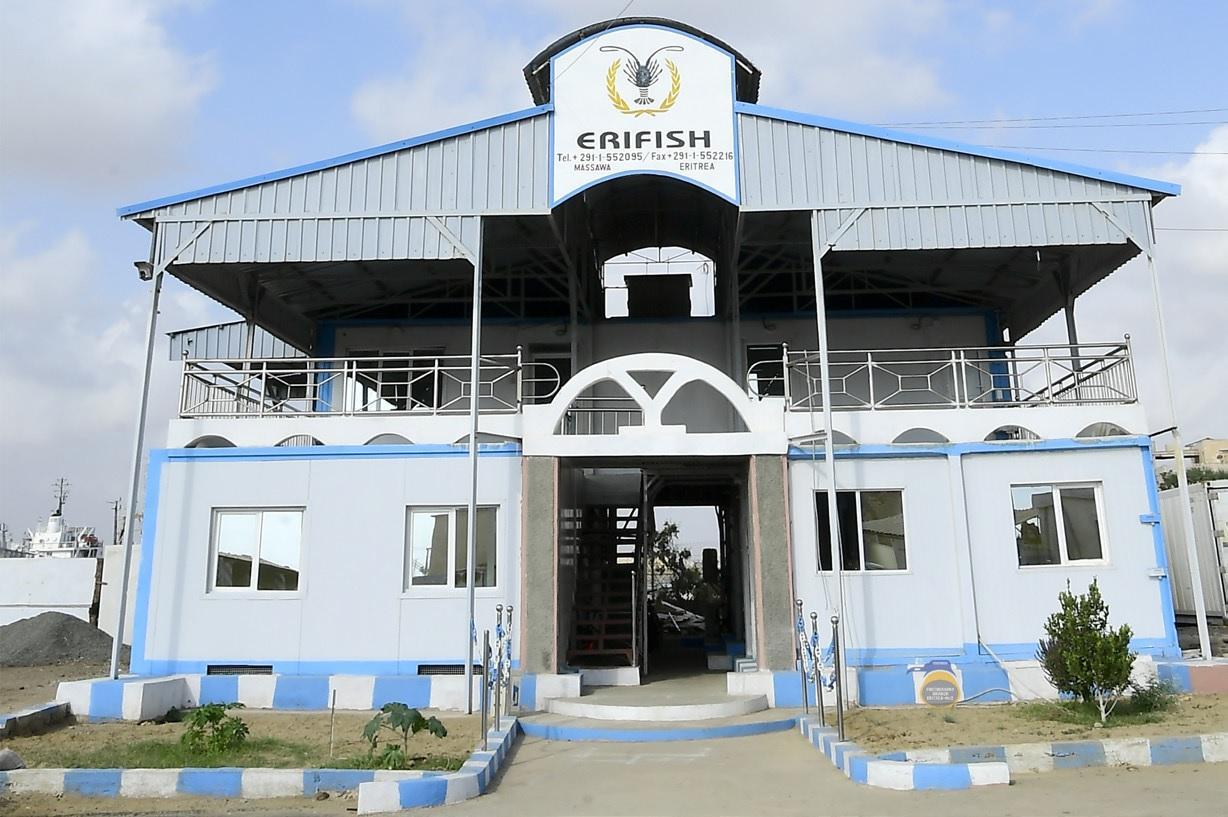
Eri-Fish, a marine processing facility established in the port city of Massawa in 1993, serves as a center, purchasing raw fish products from a diverse range of sources including artisanal fisheries as well as semi-industrial and industrial operators. Artisanal fishery in Eritrea is mainly carried out by local traditional fishermen who operate along the country’s long Red Sea coastline. These fishermen typically work in relatively shallow coastal waters using small boats and simple fishing gears such as nets, hooks, and traps. This type of fishery is labor-intensive and community-based, providing employment and income for many coastal families. Artisanal fishing represents about 80% of the Eritrean fishery industry, making it the backbone of the sector. It plays a vital role in ensuring food security, supporting local livelihoods, and sustaining traditional knowledge and practices that are passed down through generations.
In contrast, industrial fishing is characterized by larger, motorized vessels equipped with advanced technology and modern fishing gears. The vessels can operate in deeper waters, particularly along the continental shelf, reaching depths of up to 200 meters. Industrial fishery does differ significantly from artisanal fishing in scale, technology, and operational range, but both are important components of Eritrea’s fisheries industry, each playing a distinct role in the sustainable use of marine resources.
Recent statistics highlight a historic period of growth in fisheries. Last year, Eritrea achieved a new record harvest of approximately 400,000 tons of qualified fish products. Compared to the 2024 production figures, this represents a 73% increase, marking the highest yield in the country’s fishing.
Mr. Asmerom Paulos, director of the Fish Production Division of Eri-Fish, said that the rapid upward trend in fish production reflects the significant improvements made in freezing facilities, particularly the expansion of reliable ice-distribution services for fisheries. According to Mr. Asmerom, these improvements have greatly reduced post-harvest losses and preserved product quality, enabling fishermen to operate more efficiently and with greater confidence. He emphasized that the effectiveness of current harvesting strategies, combined with better post-catch handling systems, has strengthened overall productivity. Central to this progress is Eri-Fish, which plays a pivotal role in stabilizing and scaling the national blue economy by coordinating production, storage, and distribution processes across the sector.
On the other hand, the cold storage facilities serve as a critical bridge during the fishing off-season. By preserving surplus catch when fishing activity is high, these stores ensure a steady and consistent supply of fish products throughout the year. This system prevents shortage of supply in the market and guarantees that customers continue to have reliable access to quality fish products regardless of the season.
Overall, the growth reflects the expansion of the Eritrean fishing industry. Today, Eri-Fish boasts a processing facility with a capacity of handling more than 70 tons of fish per day, keeping up with the recent surge in marine production across the nation’s coastline. The operation is run by one hundred employees.
Tekie Abraham, director of the marketing division of the shops in Asmara, said that the company operates with a strong spirit of cooperation and teamwork, maintaining close coordination between its production, marketing, and distribution departments to ensure smooth operations and customer satisfaction. Products are carefully prepared and transported to the shops, ensuring customers receive them in excellent condition and on time.
shabait