Africa-Press – Eritrea. Ngdet, the periodic communal gathering in Eritrea, often tied to religious and cultural traditions, is one of the most resilient cultural practices of Eritrean society. In Eritrea, traditions are not merely remnants of the past; they are living institutions that continue to shape the present. Ngdet stands out as a periodic social, cultural, and religious gathering that has endured through centuries of change. More than a festive occasion, Ngdet embodies the resilience of Eritrean society, preserving indigenous values amid colonial disruption and modernization. This essay explores how Ngdet functions as a cultural anchor, sustaining community cohesion, religious harmony, and national identity.
Ngdet traces its origins to pre-colonial Eritrean society, where communal gatherings were central to social organization, serving as opportunities for families and villages to reaffirm bonds, exchange stories, and celebrate shared heritage.
During the colonial era, Eritrea experienced profound cultural disruption as foreign institutions attempted to reshape indigenous practices. Yet Ngdet endured, serving as a quiet form of resistance and cultural continuity. By continuing to celebrate Ngdet, communities rejected the colonial narrative that indigenous practices were “primitive” or “obsolete.” Even when external powers sought to impose new norms, Eritreans relied on Ngdet as a space to reaffirm their identity and values.
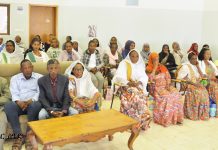
Each village and city in Eritrea sets aside a special day for Ngdet, transforming ordinary life into a vibrant communal celebration. On this day, relatives, friends, and even neighboring villages gather, creating a festive atmosphere. The air is filled with the aroma of traditional foods and beverages prepared with care. Families open their homes to guests, offering dishes and locally brewed drinks. Sharing food is a symbolic act of generosity and solidarity. The presence of neighboring communities strengthens ties beyond the village, weaving a broader network of trust and cooperation. These gatherings ensure that traditional recipes, songs, and rituals are passed down, keeping indigenous values alive across generations.
At its core, Ngdet is about community. It brings together families, neighbors, and entire villages in a spirit of solidarity, reinforcing trust and mutual support in a society where kinship networks are vital.
Ngdet’s role in transmitting values across generations is vital. Elders use these gatherings to pass down oral traditions, proverbs, and moral lessons. Through storytelling, music, and dance, younger generations learn not only about their history but also about the ethical frameworks that guide communal life. In this way, Ngdet functions as a living classroom.
Despite the pressures of modernization, Ngdet continues to sustain traditional practices such as folk music, dances like Guaila, and rituals. These elements reinforce a sense of belonging and pride, reminding Eritreans of their distinct cultural identity in a rapidly globalizing world.
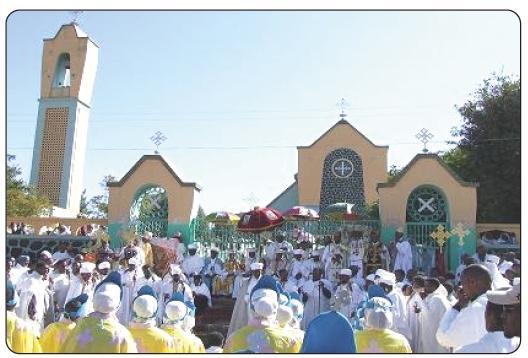
While Ngdet is deeply rooted in village life, Eritrean cities have developed their own rhythm of celebration. Different parts or zones of Asmara observe Ngdet at varying times, creating a mosaic of festivities across neighborhoods. This staggered schedule allows families and friends to participate in multiple gatherings, reinforcing the sense of interconnectedness that defines Eritrean society. The majority of Asmara’s Ngdet is celebrated on November 30th. The celebrations are anchored around Saint Mary Church, a spiritual and cultural hub in Asmara, underscoring the intertwining of religious devotion and cultural identity.
Just as in villages, Ngdet in Asmara and other cities is marked by hospitality, with traditional foods and beverages shared among relatives, neighbors, and visitors from surrounding areas. The festive mood spills into the streets, turning the city into a living stage of Eritrean culture.
One of the most remarkable aspects of Ngdet is its interfaith character. Eritrea is home to both Christian and Muslim communities, and Ngdet often serves as a shared space where members of different faiths celebrate together. This interfaith participation reflects Eritrea’s broader tradition of religious harmony, where Muslims and Christians have coexisted peacefully for centuries. Ngdet gatherings embody this harmony by emphasizing common values of hospitality, respect, and solidarity. They remind participants that cultural identity transcends religious boundaries, fostering unity in diversity. In a region often marked by sectarian conflict, Ngdet stands as a testament to Eritrea’s unique model of coexistence.
Beyond its social and religious dimensions, Ngdet has significant political and societal implications. Historically, communal gatherings like Ngdet served as informal forums for dialogue and decision-making. During the struggle for independence, Ngdet gatherings helped sustain resistance by reinforcing collective identity and resilience.
In contemporary Eritrea, Ngdet continues to shape political culture. These celebrations transcend religious boundaries, reinforcing Eritrea’s national unity. By fostering unity and reinforcing indigenous values, it contributes to national stability. Ngdet is more than a cultural gathering; it is a national glue. By bringing together relatives, friends, and neighboring villages, Ngdet strengthens communal bonds. Eritrea’s nine ethnic groups, while diverse, share overlapping traditions of hospitality and communal festivals, reinforcing national unity.
Despite challenges posed by modernization and exposure to foreign cultures, Ngdet’s resilience lies in its ability to adapt while preserving its core values. The challenge is ensuring that modernization does not erode its cultural essence.
Ngdet is a living institution that embodies indigenous values. It teaches solidarity, respect, and harmony. It preserves cultural practices while fostering unity across religious and social divides. In a world where external pressures often erode cultural practices, Ngdet offers a powerful lesson that traditions rooted in community and values can withstand change. For Eritrean society, Ngdet is not just a gathering; it is a symbol of continuity, resilience, and identity, ensuring that indigenous values remain at the heart of Eritrean society.
shabait
For More News And Analysis About Eritrea Follow Africa-Press