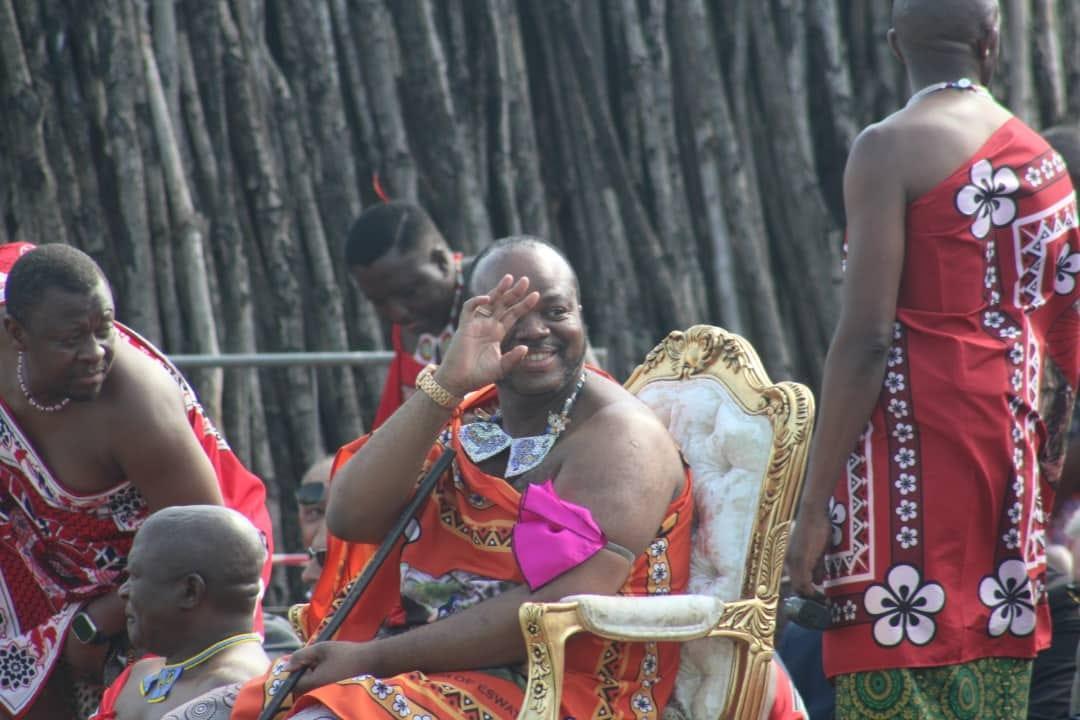
Africa-Press – Eswatini. His Majesty King Mswati III opened Sibaya on Monday, as announced, and in his speech, he touched on a number of subjects including the elections, the civil unrest, the economy and the incoming government.
After telling the nation that he was praying for God’s guidance as he ponders on the best candidate for the ‘captain’ of the ship in the prime minister (PM) and Cabinet ministers, he asked Sibaya to ‘help’ him identify this captain.
Reminded
He reminded Sibaya, however, that while he wanted to be advised by this platform, which, according to the Constitution, is highest policy and advisory council of the nation, on the choice of this ‘man’, the nation must be clear that, constitutionally, he can only be advised and it was up to him to take that advice if he so chooses. As widely expected, he opened the People’s Parliament and encouraged emaSwati to speak out freely about all issues that bother them, which would also include making suggestions on the best PM candidate. He promised to return on the last day, which, unless I have missed out on some information, remains unknown. That pretty much marked the end of the first day and the People’s Parliament began in earnest on Tuesday.
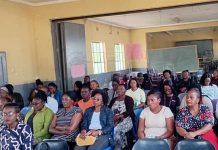
Several political figures have been making presentations on some topics and the attendees have been allowed to pose questions to them and make their own presentations, with each speaker supposedly given no more than three minutes. EmaSwati, and indeed the international community, do not know if this is the national dialogue we were promised. We wait in bated breath to hear how this is concluded. Watching from the comfort of my house the proceedings on Tuesday, my conviction that Sibaya can never be a credible and practical platform for serious discourse on the country’s contemporary socio-political problems was bolstered.
Platform
By its very construct, this platform is not designed to attract the best minds and opinions from all sectors of this country’s polity. The very setting, which exposes people to harsh weather elements, sitting in uncomfortable positions for hours on end, is one of the most significant elements that discourages participation. The weather being unpredictable, if there would be a fierce thunderstorm during the course of this ‘annual general meeting’, that would mean its outright end. If this is supposed to be the important platform it is paraded to be, why can’t government invest in it to ensure that at least some of shelter, in the form of tents or an amphitheatre, is built. How do we really expect people, some of advanced age, roasted by the scorching heat, to be productive? As a man you cannot even wear any headgear to protect yourself.
Imagine then how many emaSwati, on that score alone, would swear never to put themselves through that. The format of this platform also excludes thousands of emaSwati who cannot attend because of being at work and school. Those are very critical voices that run and fund the economy. One would have expected that, as our politics evolve, there would be a serious consideration to allow submissions from strategic sectors of society in a representative manner. This would include workers from different sectors, unions, religious bodies, traditional leadership, students, political groupings, professional bodies and the private sector, among other sectors. These would not leave out individual presentations but would ensure that there is legitimacy in this process and covers all angles. This shooting-from-the-hip format is not giving value for money and gives credence to the notion that all we are doing is ‘kubhunga’ or just rambling with no genuine desire to chart a way forward.
Again, that we just dive into these discussions with no structured agenda and a report of where we left things off at the last Sibaya does not help matters. At the end of this process, it will be up to the nation’s secretary to pick and choose which views were dominant and there will be no structured way to validate that. The first day of the People’s Parliament was overshadowed by the manner in which one speaker was treated as he made very progressive submissions that, if you will, went against the grain of the status quo. Government has made a frantic effort to clarify this embarrassing scene, but the damage has already been done and the message has been sent. I was also very disturbed by the dominant narrative that seems to suggest that the Constitution is like this monolith that cannot or should not be shifted through amendments. The subject of how people want to be governed will and should always be a live discussion that cannot have been ended by the Constitution, especially with regard to the fact that it was not a product of an inclusive process as we would otherwise have the world believe.
For More News And Analysis About Eswatini Follow Africa-Press