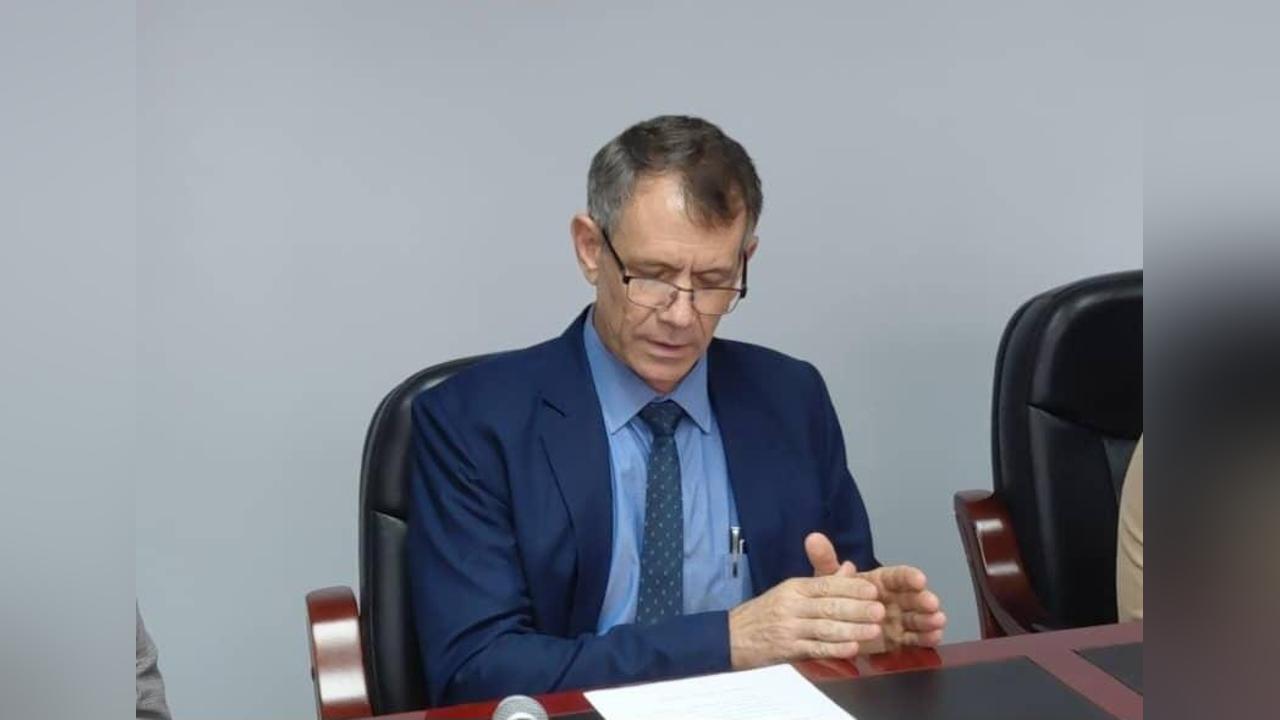
Africa-Press – Eswatini. In a significant move aimed at easing the financial burden on households, women, and business owners, Minister of Finance Neal Rijkenberg has announced the removal of value-added tax (VAT) on a range of essential products.
The announcement was made on Thursday, 4 December 2025, during a media briefing held at the Ministry of Finance offices in Mbabane.
The changes, which will be formalised through an upcoming government gazette, are designed to improve affordability, strengthen public welfare, and support key industries across the country. All of the products that are VAT exempt will be included there. The changes are effective from January 1, 2026.
Sanitary Towels Now VAT-Free
In a decision widely welcomed by advocates of women’s health and dignity, sanitary towels will no longer attract VAT. This measure is expected to make menstrual hygiene products significantly more affordable, particularly for school-aged girls and low-income women, many of whom struggle to access these necessities consistently.
Stakeholders in public health and gender equality have long highlighted that the cost of sanitary products directly affects girls’ school attendance and women’s participation in the economy. By removing VAT, the government aims to promote equity, dignity, and improved health outcomes.
Medical Supplies Also Exempted
Rijkenberg further announced that several medical-related products will now be VAT-exempt, provided they are used in the course of offering medical services. These items include:
Absorbent cotton wool
Gauze
Bandages
Syringes
Other medically essential items of a similar nature
This relief is expected to lower operational costs for hospitals, clinics, private practitioners, and care facilities, enhancing their ability to provide affordable and accessible healthcare services to the public.
The Minister also clarified that reusable nappies and reusable nappy inserts would be VAT-free when used for medical purposes or for the welfare of babies. This measure not only helps households caring for infants but also supports initiatives promoting environmentally friendly, reusable childcare products.
Support for Food Security and Basic Household Needs
In addition to medical and hygiene products, the Ministry has removed VAT from two important food items: condensed milk and fresh mealies (lifutfo). These will remain tax-free as long as they are sold in their natural form and not subjected to additional processing or preparation.
Fresh mealies are a staple food in many Eswatini households, and condensed milk is widely used across homes and small businesses. Lowering their cost is expected to support both family nutrition and small-scale trading, helping to stabilise food expenditure for many households.
Precious Metals: Investment-Friendly VAT Policy
In an effort to boost the investment environment, Rijkenberg also confirmed that precious metals such as gold and silver will not attract VAT when imported into Eswatini, provided they are used strictly for investment purposes or are supplied to financial institutions under the Financial Institutions Act of 2005.
He emphasised, however, that if precious metals enter the country for further processing, VAT will still apply. This ensures that value-added industries remain taxed appropriately while investment-focused transactions receive favourable treatment.
A Gazette Will Formalise the Changes
To ensure clarity and nationwide awareness, the Minister confirmed that a government gazette will soon be issued. This will contain the full list of VAT-exempt products and provide formal notice to the public, traders, and institutions.
The announcement has already been met with positive reactions from women’s organisations, healthcare providers, financial institutions, and local businesses, who view these tax changes as timely and impactful.
A Step Toward Greater Affordability and Social Support
Minister Rijkenberg’s announcement reflects the government’s broader strategy to strengthen social welfare, support healthcare provision, reduce the cost of living, and encourage investment. By making essential goods more affordable, the government aims to improve quality of life across the country, particularly for vulnerable groups.
The removal of VAT on sanitary products is expected to have a far-reaching social impact, helping eliminate “period poverty” and ensuring that hygiene products are treated as basic necessities rather than luxury items. Similarly, lowering the cost of medical supplies and staple food items is anticipated to benefit both service providers and consumers.
With the official gazette on the way, Eswatini moves closer to implementing a more inclusive and economically supportive tax framework—one designed to ensure that essential goods remain within reach for all.
For More News And Analysis About Eswatini Follow Africa-Press