Africa-Press – Eswatini. Farmers and rural communities in climate vulnerable areas stand to gain from an upcoming ecosystem based adaptation initiative being crafted by the Government in collaboration with the Food and Agriculture Organization of the United Nations.
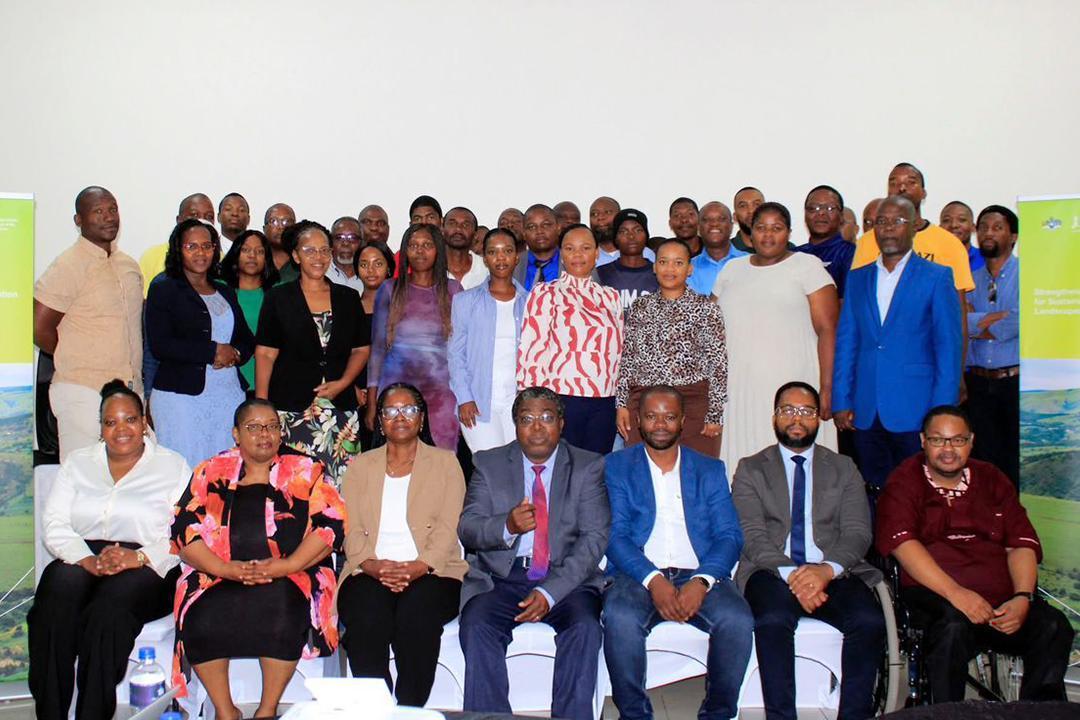
Through the Ministry of Agriculture, the Ministry of Tourism and Environmental Affairs, and with support from the International Fund for Agricultural Development, stakeholders convened a national consultation to shape the Strengthening Ecosystem based Adaptation for Sustainable Livelihoods within Landscapes project.
The initiative seeks to reduce climate and human induced vulnerability of agro ecosystems and rural livelihoods in the Lubombo, Ngwempisi and Malolotja landscapes. By promoting integrated and participatory ecosystem based adaptation approaches, the project aims to safeguard natural resources while strengthening the resilience of communities who depend on them.
The consultation brought together representatives from key ministries, development partners, civil society organisations and the private sector, reflecting a whole of society approach to climate action. Inputs gathered during the engagement will inform the full proposal development of the project, ensuring that national priorities and community voices are embedded in the final design.
Building on community consultations held in the previous week, the initiative is expected to boost the adaptive capacity of smallholder farmers, landscape institutions and community natural resource management structures. This will be achieved through climate resilient ecosystem management practices and nature based livelihood solutions that improve productivity while protecting the environment.
Assistant FAO Representative Howard Mbuyisa commended the Government for enabling FAO to mobilise resources for climate adaptation, noting that the project aligns with FAO’s comparative advantage in supporting communities facing prolonged drought and environmental stress.
Principal Secretary in the Ministry of Agriculture, Sydney Simelane, described the initiative as a testament to strong partnerships between Government and development partners. He said the project would strengthen resilience at grassroots level while advancing the national development agenda.
Stakeholders further underscored the importance of ensuring meaningful participation of women, youth and persons with disabilities, in line with international environmental and social safeguards, so that climate adaptation efforts leave no one behind.
As climate pressures intensify, the proposed project signals a decisive shift toward sustainable land management, improved market linkages and increased household incomes. Once implemented, it is expected to accelerate the transformation toward resilient agrifood systems, empowering vulnerable communities to thrive while safeguarding the country’s natural heritage for future generations.