Africa-Press – Eswatini. Incwala, Eswatini’s most important cultural and spiritual celebration, is set to officially commence this Sunday following months of preparatory activities by the Bemanti.
These traditional ritualists, responsible for signalling the start of Incwala, have been roaming across the country for the past two months, performing rites that honour the king, the harvest, and the nation’s unity.
The confirmation comes from impeccable sources within Ludzidzini, the royal residence though acting Governor Indvuna Themba Ginindza could not be reached for comment.
In prior weeks, however, Ginindza had affirmed that the Bemanti’s activities mark the beginning of Incwala, which was scheduled to commence in December.
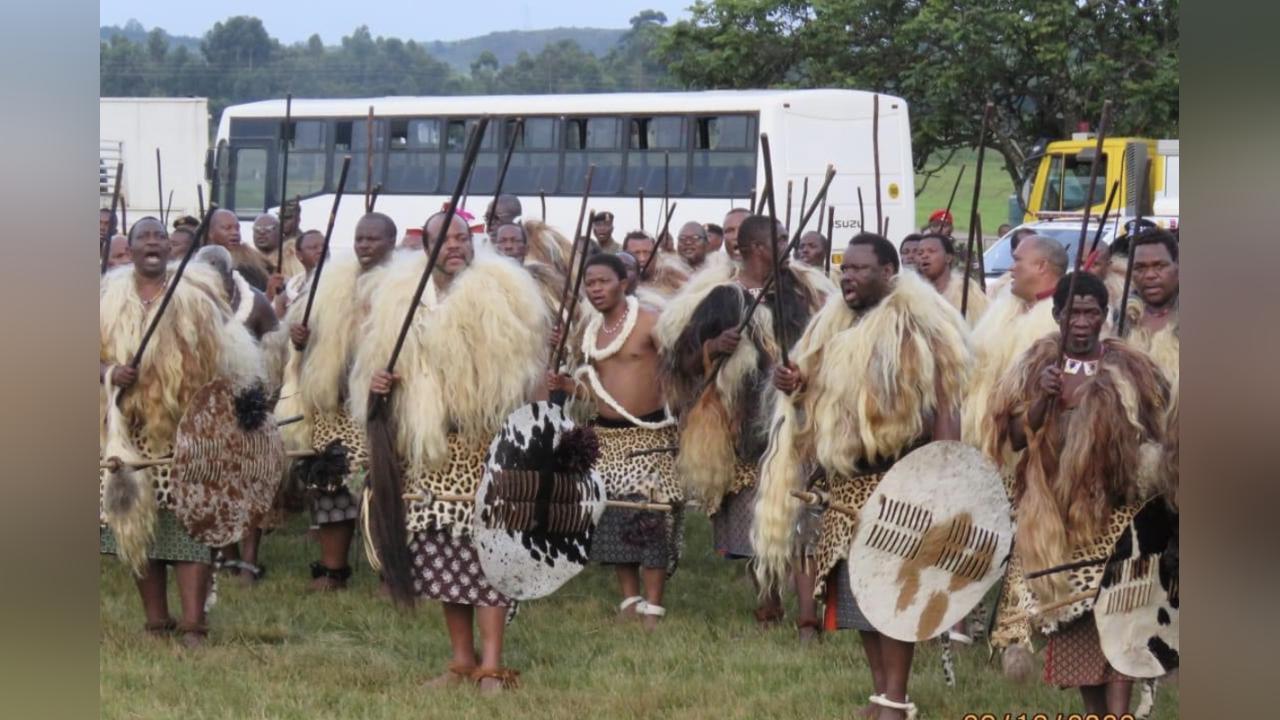
Incwala, often referred to as the ‘Kingship Ceremony’ is deeply symbolic and central to Eswatini’s cultural identity.
Rooted in centuries-old traditions, the festival serves multiple purposes, it celebrates the first fruits of the harvest, strengthens the spiritual connection between the king and the nation, and reaffirms communal unity.
The highly anticipated festival in the country Incwala is set to begin on Sunday.
Participation in Incwala is considered a privilege, and the festival is closely intertwined with royal authority and Swazi customs.
The ceremony is strictly regulated, with rituals performed according to a well-established timetable. From the first day to the last, each step has historical and spiritual significance, ensuring the continuity of Swazi heritage and culture.
The festival begins with the arrival of the Bemanti, a group of royal ritualists who move across the country performing sacred rites. Their role is to cleanse the nation and prepare for the sacred ceremonies that follow. Traditionally, the Bemanti’s roaming signals the start of Incwala, a practice that has been maintained for generations.
The first official day of Incwala is known as Lusekwane. It is marked by the participation of chiefs and elders, who gather to welcome the king and oversee the initial rituals. At this stage, symbolic offerings are made to the ancestors, and preparations are finalised for the subsequent ceremonies.
The pinnacle of the festival occurs on this day, often referred to as the ‘Big Incwala’. The king performs sacred rituals, including the tasting of the first fruits, which symbolise his authority and the nation’s prosperity. Only participants deemed ritually clean are allowed to take part in this central event.
Following the Big Incwala, the final days are devoted to communal dancing, singing, and feasting. These concluding ceremonies foster unity and provide an opportunity for the nation to celebrate the king, the harvest, and their shared cultural identity.
The festival concludes with a ceremonial cleansing, marking the end of Incwala and preparing the kingdom for the new year.
According to traditionalist Mfanambutfo from Ludzidzini Incwala is more than a celebration. He said it is a reaffirmation of Eswatini’s heritage, governance, and communal life.
“With the Bemanti having signalled the start and the official opening set for this Sunday, anticipation is high across the country even ‘Emalawini’,” he said.
In addition, the traditionalist said, citizens and visitors alike have started to prepare to witness rituals steeped in history, vibrant cultural performances, and the solemn yet festive presence of the king, whose role remains central to the event’s spiritual and cultural significance.
“ While the nation prepares for Incwala, the importance of this time-honoured festival is felt not just in ceremonial rites but in the reaffirmation of Eswatini’s identity a living testament to centuries of tradition and unity, Bayethe,” said Mfanambutfo.
For More News And Analysis About Eswatini Follow Africa-Press