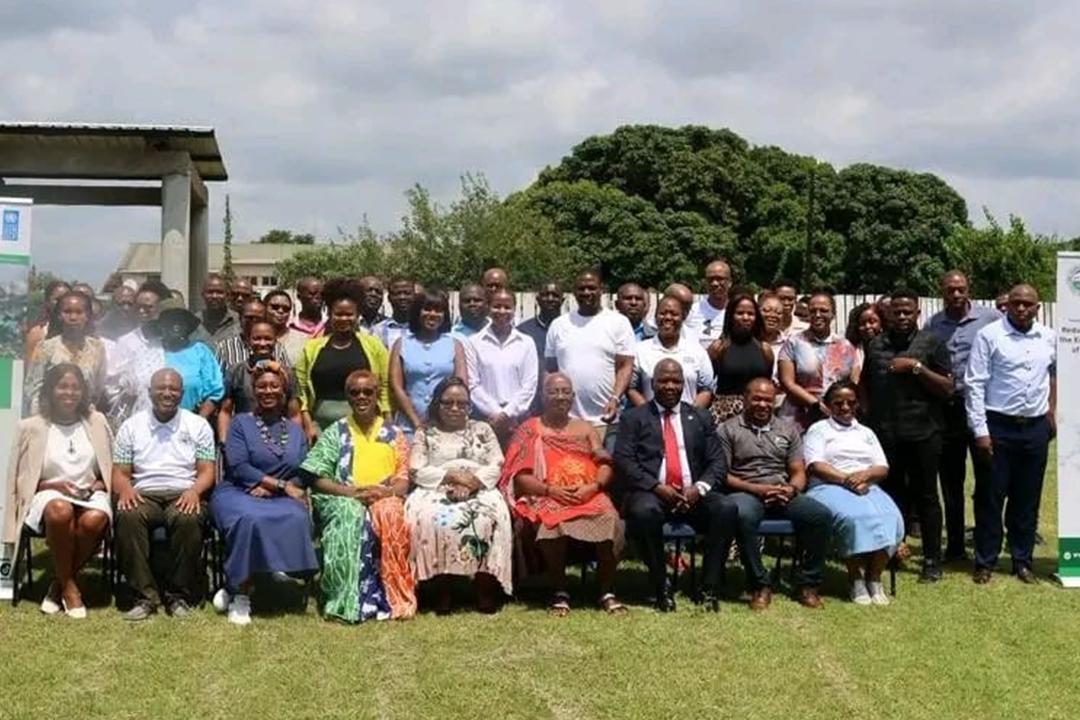
Africa-Press – Eswatini. Stakeholders from government, civil society, business, development partners and academia convened at The George Hotel today to define the scope of a new five-year project aimed at reducing toxic waste and strengthening Eswatini’s climate action agenda.
The inception workshop, held on February 13, 2026, marked the official launch of the Reduced Risks on Human Health and the Environment Through Reduction of POPs and UPOPs in Eswatini project, which seeks to systematically reduce persistent organic pollutants (POPs) and unintentionally produced POPs (U-POPs). The initiative is funded by the Global Environment Facility (GEF), with the United Nations Development Programme (UNDP) serving as the GEF Executing Entity, and implemented by the Eswatini Environment Authority (EEA) in collaboration with the Ministry of Health and the Ministry of Tourism and Environmental Affairs.
The project comes at a critical time, as Eswatini generates more than 230 000 tonnes of waste annually, a significant portion of which is poorly managed through open burning, informal dumping, or unsafe disposal methods. These practices pose risks to public health and the environment, making coordinated intervention urgent and necessary.
The workshop focused on aligning stakeholders around governance arrangements and ensuring the project is coherent with national policies and international environmental conventions. It also aimed to foster shared ownership and set clear expectations for implementation, coordination, resource mobilisation and accountability.
The five-year initiative will strengthen waste legislation, reduce toxic pollution, improve healthcare waste management systems and promote a circular economy. By focusing on prevention and sustainable waste practices, the project is expected to protect communities, create green jobs and support long-term environmental resilience.
Key interventions include
Strengthening the enabling policy and regulatory environment
Advancing circular management of plastics and electronic waste
Promoting environmentally sound healthcare waste management
Minister of Tourism and Environmental Affairs, Hon. Jane Mkhonta-Simelane, said the initiative translates Eswatini’s policy commitments into tangible action. She noted that the Kingdom’s Programme of Action calls for integrated chemicals and waste management as part of sustainable development.
“Our Nationally Determined Contribution (NDC 3.0) commits Eswatini to transition toward an inclusive solid waste management system and a circular economy, where waste is minimized, materials are reused, and value is recovered from what was once discarded,” she said.
Also addressing the workshop, UNDP Deputy Resident Representative Nessie Golakai-Gould reaffirmed UNDP’s commitment to supporting Government and partners in delivering meaningful environmental outcomes.
“Together, we can transform waste from a liability into an opportunity and ensure that Eswatini’s development pathway is cleaner, safer and more resilient,” she said.
Stakeholders described the project as a significant step in advancing Eswatini’s environmental governance framework and safeguarding public health, while reinforcing the country’s commitment to sustainable and climate-smart development.