
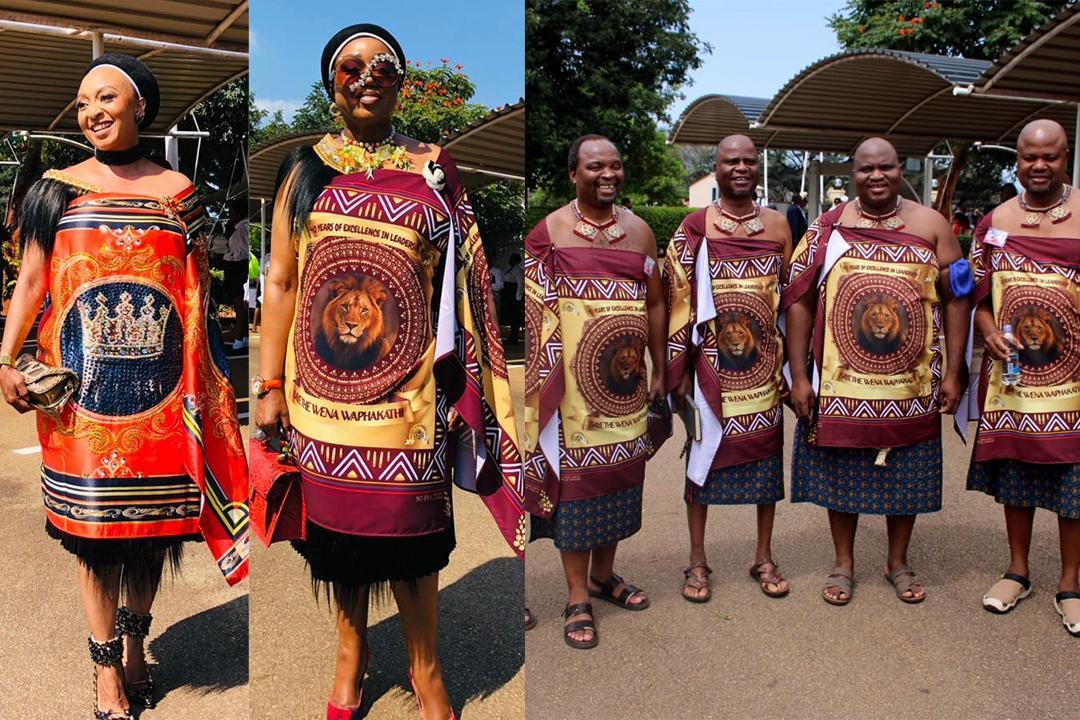
Africa-Press – Eswatini. The red carpet at the Houses of Parliament transformed into a vibrant runway of heritage and high fashion on Friday, 20 February 2026, as the Third Session of the 12th Parliament officially commenced.
While the legislative agenda set the tone for the year ahead, it was the breathtaking display of traditional siSwati regalia and contemporary “glitz and glam” that captured the spotlight.
The occasion evolved into a sophisticated dialogue between European-inspired luxury and the soul of Eswatini. This year’s fashion statements featured architectural couture, including sharply tailored blazers with sculptural collars and bold power shoulders that framed traditional elegance with modern confidence. A variety of luxurious fabrics shimmered under the midday sun, from metallic brocades in lavender and silver to intricate lace overlays and dramatic three-dimensional floral appliqués.
Sculptural millinery and feathered fascinators in vivid oranges, soft blues and crisp whites added flair reminiscent of international fashion galas, while quilted designer handbags and jewel-embellished heels completed carefully curated ensembles. Despite the soaring temperatures, the elegance remained flawless.
Leading by example, several prominent figures embraced iconic siSwati traditional attire, affirming that imvunulo remains the ultimate expression of authority and identity. Minister of ICT Savanah Maziya embodied refined grace in traditional regalia, while Nanikie Mnisi, Principal Secretary in the Ministry of Education and Training, delivered a masterclass in professional sophistication through her cultural ensemble.
Among the dignitaries was Gciniwe Fakudze, CEO of the Municipal Council of Mbabane, who turned heads in a striking siSwati outfit that balanced authenticity with contemporary elegance. Speaking on the sidelines, Fakudze praised the Kingdom’s distinctive aesthetic identity.
“In the fashion world, Eswatini cultural attire stands out,” she said, highlighting the intricate craftsmanship and symbolic depth embedded in Swati garments.
The legislative bench was equally impressive. Senator Linda Nxumalo and Minister of Education and Training Owen Nxumalo both combined ministerial dignity with impeccable traditional style. Adding cultural gravitas to the afternoon was Stanley Dlamini, CEO of the Eswatini National Council of Arts and Culture, whose attire underscored the creative sector’s role in shaping the Kingdom’s global cultural identity.
As the gavel signalled the official opening of Parliament, it was evident that Eswatini’s sartorial heritage is not merely ceremonial. It is a living, evolving statement — a confident fusion of tradition and modernity that continues to define the nation’s presence on both political and cultural stages.