Africa-Press – Eswatini. The Royal Eswatini Police Service (REPS) has expressed deep concern over the rising number of drowning incidents involving children, as the country experiences unusually high temperatures.
Hot weather often tempts children to swim in rivers and other water bodies, sometimes without the necessary skills or supervision.
According to information published on February 22, 2026, on the Royal Eswatini Police Service’s social media pages, parents, guardians, and communities are urged to be vigilant and educate children about the dangers of water bodies. Children must be taught safety measures and closely supervised, especially during periods of extreme heat when swimming may seem like an attractive way to cool down.
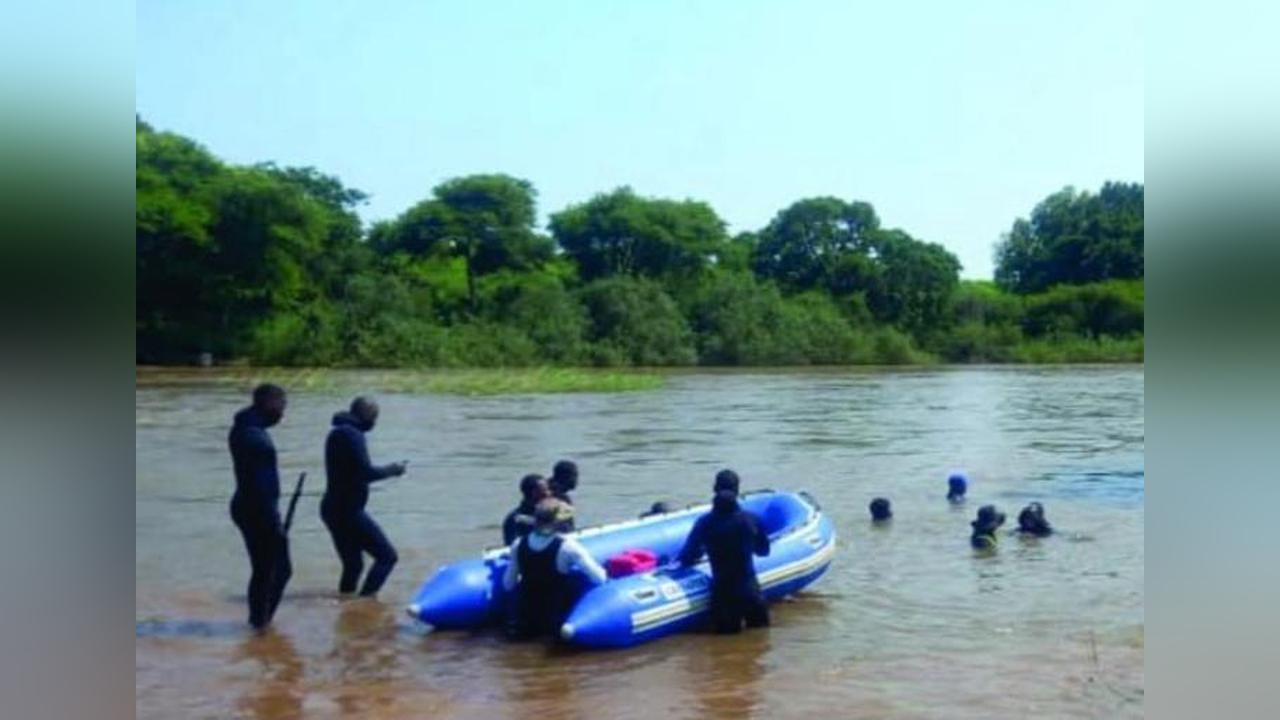
For example, in the Big Bend area, a 13-year-old girl from Mahlabaneni tragically drowned on February 21,2026 while swimming with friends at the Great Usuthu River. The REPS Search and Rescue team was dispatched early this morning to conduct a retrieval operation.
In a separate incident, in Matsapha, a nine-year-old boy drowned at the Mtilane River last week. Both cases serve as a reminder of the risks children face near water when unsupervised or inexperienced in swimming.
The Police Service stresses that children should never be left alone near water and must always be taught about water safety. Communities are encouraged to take collective responsibility in monitoring young ones, particularly during periods of hot weather when the temptation to enter rivers and streams is high.
According to the Centers for Disease Control and Prevention (CDC), drowning remains one of the leading causes of accidental deaths among children aged 1–14 globally, highlighting the need for awareness and precautionary measures.
Safety tips for parents and children:
• Avoid water bodies if you cannot swim.
• Never attempt to cross flooded rivers or bridges.
• Avoid walking or driving through flooded areas.
• Exercise caution around slippery surfaces.
The Royal Eswatini Police Service continues to urge vigilance, education, and community involvement as essential tools to prevent drowning tragedies and ensure children’s safety.