
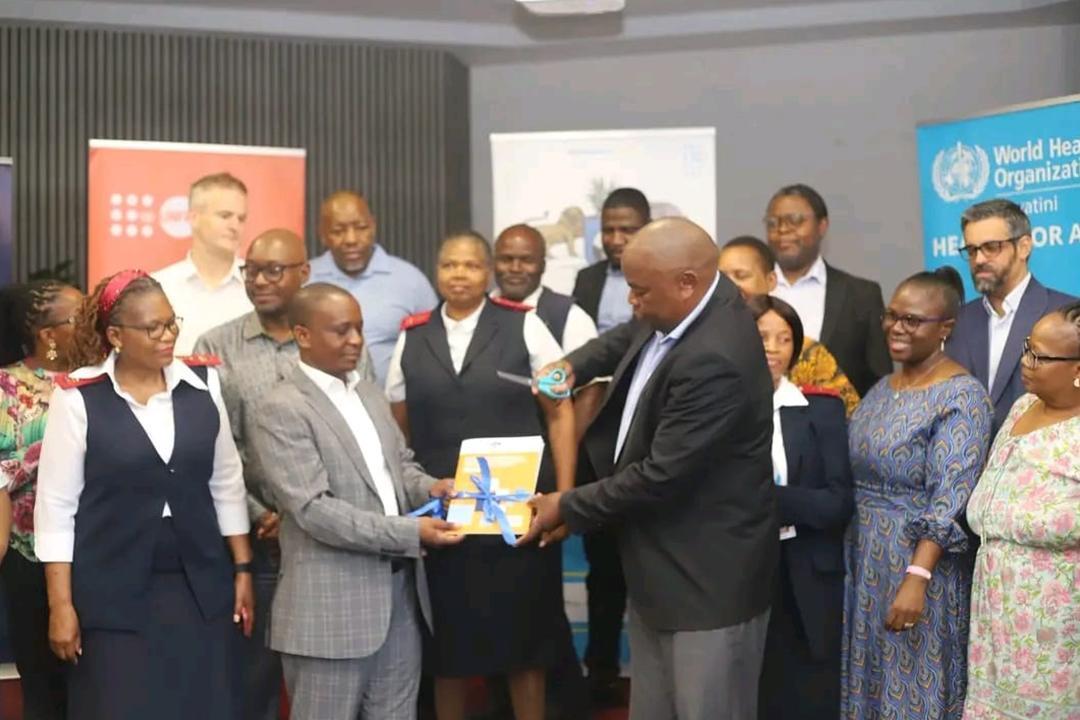
Africa-Press – Eswatini. The Ministry of Health (MOH), in partnership with UNFPA, other UN agencies, and development partners, has officially launched the dissemination of critical Sexual, Reproductive, Maternal, New-born, Child, and Adolescent Health (SRMNCAH) strategies and guidelines aimed at improving health outcomes across Eswatini.
The launch was held on February 25, 2026, at Bethel Court, bringing together government officials, development partners, civil society, and health professionals to mark this important milestone in strengthening the country’s health system.
Speaking at the event, Dr. Adman Shabangu, Senior Medical Officer for Public Health, expressed his honor in representing the Ministry, emphasizing the government’s commitment to ensuring that every woman, man, adolescent, and child in Eswatini has access to high-quality, people-centered care.
“Over the past two years, the SRH program, together with our partners, has developed several policies, guidelines, and strategic documents,” Dr. Shabangu said. “These documents are not just formalities; they are a call for collective action, alignment, and ownership across all levels of care.”
The Ministry of Health is proud to disseminate several key strategies and guidelines that will guide national implementation and improve service delivery.
The SRMNCAH & N Strategy 2024–2028 provides a comprehensive framework for reducing morbidity and mortality across the life course, integrating person-centered care, equity, and measurable results.
Complementing this, the Post Abortion Care Guidelines ensure safe, timely, and dignified care for women experiencing abortion-related complications, while the Self Care Guidelines empower individuals and communities to actively manage their sexual and reproductive health, including family planning, maternal care, STI prevention, and mental health.
The National Condom Strategy strengthens programming to curb HIV, STIs, and unintended pregnancies, and the Family Planning Addendum, together with the Hormonal IUCD Introduction Plan, expands contraceptive options to meet unmet needs, particularly for women living with HIV. Additionally, the Youth Friendly Services Standard Assessment Report guides improvements in adolescent-responsive health services, and the Postnatal Care Guidelines enhance care for mothers and new-borns during the critical postpartum period.
Ms. Thamary Silindza, UNFPA Officer in Charge, highlighted the importance of integration across all strategies. “Integration of HIV and family planning services, youth-friendly services, and community and facility platforms ensures that our health system responds effectively to the needs of the population,” she said.
Dr. Shabangu called on all stakeholders to internalize the documents, integrate them into program planning and service delivery, advocate for their use, and monitor their implementation to achieve meaningful health outcomes.
This launch marks a significant milestone for Eswatini’s health sector, reinforcing coordinated action and advancing quality, integrated care for all citizens.