Africa-Press – Eswatini. Schools across Eswatini are strengthening nutrition and practical learning through the Taiwan-Africa Vegetable Initiative (TAVI) Phase II, which has introduced an expanded school programme targeting 42 institutions.
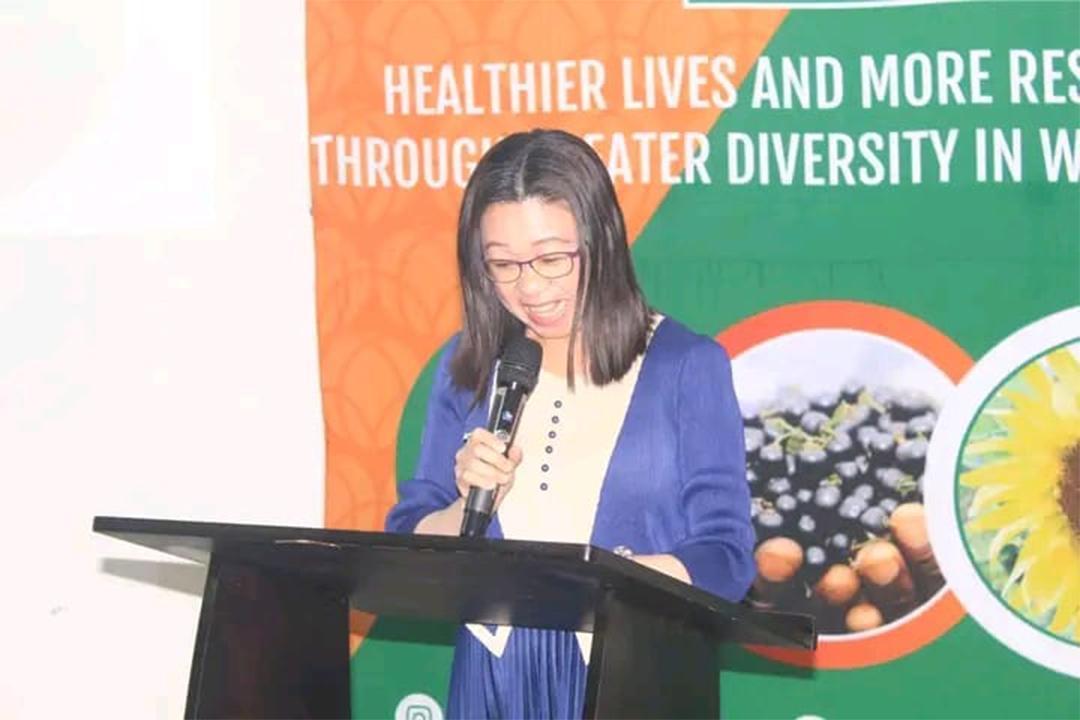
The 2026 school component was launched at the George Hotel in Manzini, bringing together headteachers and key stakeholders to enhance school gardens, improve feeding programmes and promote nutrition education.
The initiative is implemented through collaboration between the Taiwan Technical Mission, the Ministry of Education and Training and the Ministry of Agriculture, focusing on a farm-to-school approach that links agriculture, nutrition and education.
The programme aims to improve pupil nutrition while creating opportunities for at least 84 smallholder farmers, who will supply fresh traditional vegetables to schools, supporting both food security and local livelihoods.
Building on the success of Phase I, the expanded programme places headteachers at the centre of implementation to strengthen coordination and ensure sustainability at school level.
Participating schools will establish and maintain vegetable gardens producing crops such as spinach, cabbage, tomatoes and carrots to supplement school meals. This is expected to improve the quality and diversity of meals while reducing food costs.
Headteachers are being equipped with skills to manage the gardens, mobilise teachers and learners, and integrate agricultural activities into the curriculum.
One headteacher said the initiative is already making a positive impact in schools.
“This initiative is improving pupil nutrition while equipping learners with practical agricultural skills they can use in their daily lives,” said the headteacher.
Learners will actively participate in gardening activities, gaining hands-on experience in planting, irrigation and crop management. This is expected to promote environmental awareness, healthy eating habits and an appreciation for sustainable agriculture.
The programme also provides essential inputs, including seeds, fertilisers and irrigation systems, while some schools will benefit from greenhouse technology to support year-round production and improve climate resilience.
Stakeholders said the initiative is strengthening the link between agriculture and education, while encouraging sustainable farming practices suited to changing weather patterns.
Community involvement remains a key focus, with parents and local stakeholders encouraged to support school gardening activities and contribute to improved learner welfare.
The programme is also expected to contribute to national development by supporting smallholder farmers, strengthening food systems and promoting nutrition at grassroots level.
As Phase II progresses, stakeholders are confident that stronger school leadership will ensure long-term impact, helping build a healthier and more resilient generation.
For More News And Analysis About Eswatini Follow Africa-Press