Africa-Press – Eswatini. Government has shifted its focus to health financing under the 2026 World Health Day commemoration, with plans to raise Universal Health Coverage (UHC) from 56 percent to 65 percent by 2030.
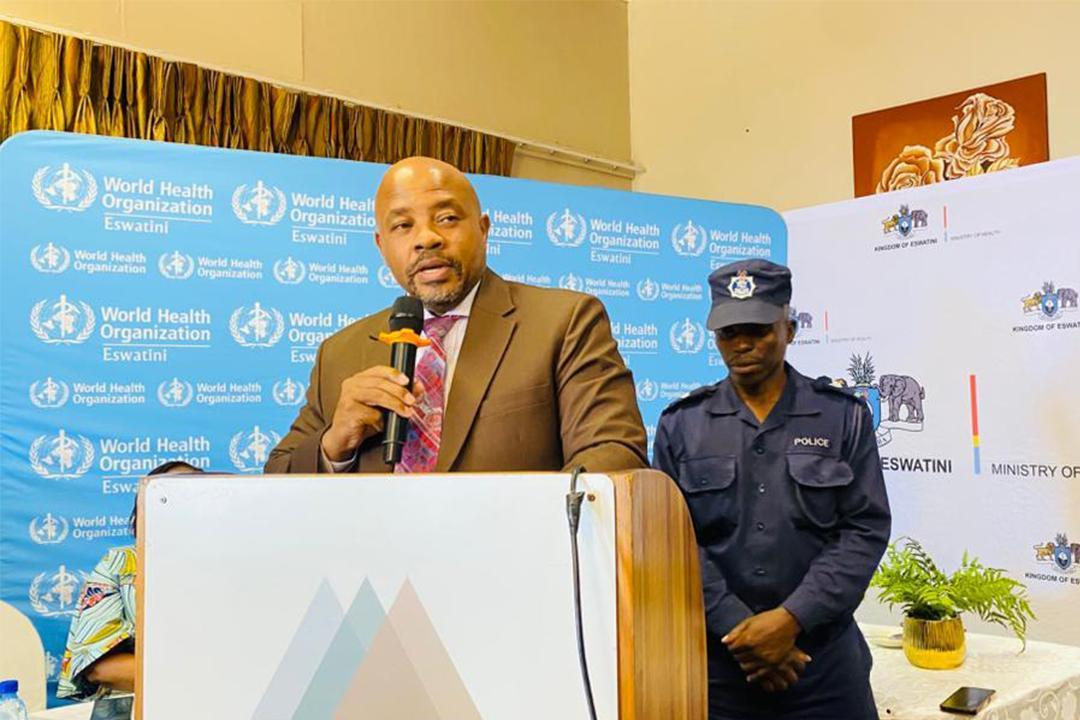
Minister of Health Mduduzi Matsebula made the announcement on Wednesday during the national commemoration in Mbabane, outlining funding reforms aimed at improving access to healthcare without financial hardship.
“At the heart of our national agenda is the pursuit of Universal Health Coverage, ensuring that every liSwati has access to quality essential health services without suffering financial hardship,” he said.
This year’s World Health Day theme is Global Action for Universal Health Coverage, with countries encouraged to prioritise equitable access to healthcare through sustainable financing systems. In Eswatini, the national theme is Accelerating UHC in Eswatini: Sustainable Health Financing Progress, Gaps, and Priorities, reflecting the country’s focus on reviewing progress, identifying gaps, and setting clear priorities for health financing reforms.
The shift follows ongoing national discussions on sustainable health financing, including presentations made at Cabinet level during a recent retreat. Government said the approach will assess progress, identify gaps, and set clear priorities for funding reforms as pressure on the health system increases.
Matsebula said achieving UHC will require joint effort from all sectors. “Government cannot carry this responsibility alone,” he said, calling on the private sector, development partners, and households to contribute. He added that private sector players already play a key role in service delivery and can help expand access through investment, innovation, and improved efficiency.
World Health Organization representative Dr Susan Tembo said Eswatini is at a turning point as traditional external funding declines while demand for services increases. She said the National Health Financing Strategy 2025 to 2030 signals a shift from fragmented spending towards a more coordinated system that delivers value for money.
“This is not business as usual. It is a commitment to mobilise domestic resources more effectively and ensure every lilangeni spent delivers measurable health impact,” she said.
WHO expert David Clarke, speaking from Geneva, said the success of health financing reforms will depend on strong government leadership.
“The difference between success and failure is rarely resources, it is governance,” he said, stressing that government must lead the entire health system, including private providers, through clear policy direction, regulation, and structured partnerships.
Government said the renewed focus on health financing marks a critical step towards expanding access to quality healthcare and reducing financial barriers for emaSwati.
For More News And Analysis About Eswatini Follow Africa-Press