Africa-Press – Eswatini. Prime Minister Russell Mmiso Dlamini has delivered a candid and forceful response in Parliament, raising serious concerns about the controversial Memorandum of Understanding (MoU) allegedly signed between the Government of Eswatini and global technology giant Google.
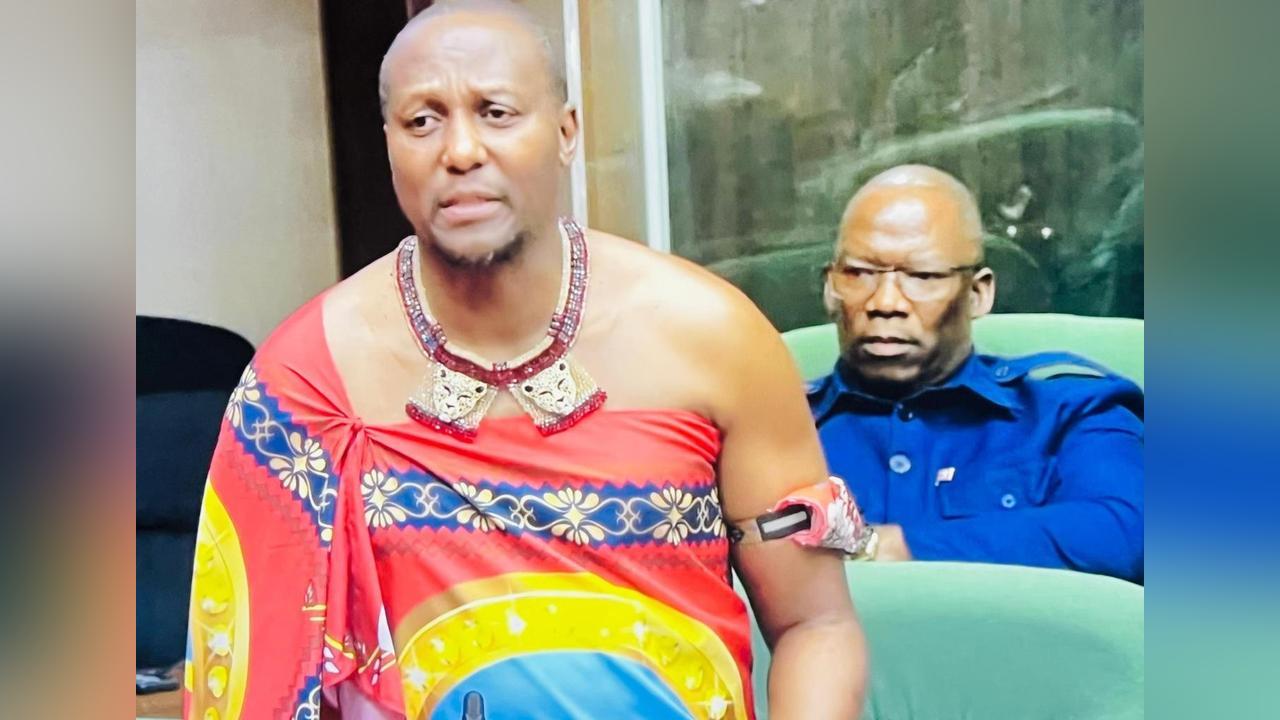
Speaking during the 2025/2026 performance debate on March 26, 2026, the Premier addressed mounting public expectations, particularly claims that Emaswati content creators would soon earn revenue from Google, while exposing what he described as procedural irregularities and potential risks tied to the agreement.
Responding to a question from Senator Princess Ncengencenge, the PM did not mince his words, stating: “Let me admit that there are irregularities here. It was signed without the involvement of the Ministry of Foreign Affairs and International Cooperation, and this led to Cabinet not knowing the agreement and content of the MoU,” he said.
He further revealed that the agreement was allegedly initiated without proper Cabinet approval, adding: “The incumbent minister did this on her own without Cabinet involvement and without being approved to do so.”
In a striking escalation, the Premier linked the matter to governance concerns, stating:
“Such things happen in Cabinet and we are worried about it… we like to condemn it because this is corruption.”
Upon returning from official duties abroad, the PM personally reviewed the MoU and escalated it for expert analysis, explaining: “I took it upon myself to read and try to understand the Google MoU… The expert sent back a report saying the MoU carries no weight and cannot benefit the country anywhere.”
This assessment directly contradicts widespread public optimism that the agreement would unlock monetisation opportunities for local digital creators. Instead, the PM warned of possible national exposure, stating:
“In fact, the MoU exposed the country to a serious risk with Google… I have not yet seen any benefits.”
In one of the most alarming revelations, the PM questioned whether Google had formally committed to the agreement at all, noting:
“It might happen that the MoU was not even signed by Google, as it is claimed. There is too much misinformation.”
This statement introduces a critical layer of uncertainty, suggesting that public narratives around the deal, including promises of payments to local creators, may have been premature or misleading. The PM’s remarks stand in sharp contrast to the optimism expressed during the partnership’s announcement in September 2025, where the collaboration with Google and other global partners was positioned as a transformative step toward making Eswatini a digital innovation hub. At the time, the initiative was framed as a catalyst for youth empowerment, digital skills development, and economic growth through technology.
However, the latest parliamentary response shifts the narrative, from ambition to accountability, highlighting gaps between vision, execution, and verification. Beyond the specifics of the MoU, the PM’s response signals a broader commitment to governance discipline and transparency. He pointed to a troubling pattern, stating:
“We see many reports… but when you check work performance, there is no outcome and there is no delivery.”
His intervention reframes the debate, not just as a question of a single agreement, but as a test of institutional integrity, coordination, and oversight in pursuing international partnerships. While the promise of direct earnings from global platforms remains an exciting prospect for local creators, the PM’s statement urges caution and fact-based engagement.
Government’s next steps are likely to focus on verifying the authenticity of the MoU, safeguarding national interests, and ensuring that future agreements deliver measurable benefits. In the meantime, the issue has ignited a necessary national conversation, one that balances ambition with accountability, and opportunity with due diligence.