
Africa-Press – Eswatini. Considering recent discussions surrounding the country’s growing financial obligations, Lobamba Lomdzala Member of Parliament and Chairperson of the Finance Committee, Marwick Khumalo, has confidently reassured citizens that loans will not be a problem for Eswatini.
Speaking to the House of Assemble, Khumalo outlined the terms of the recently approved loans and emphasized the country’s capability to manage its debt effectively.
“These loans will be paid over 22 semi-annual payments with a grace period of three years,” Khumalo explained. He further discussed two additional loans designated for electrification projects, which are set to be repaid over the next 30 years, featuring a notably longer grace period of ten years.
Khumalo asserted that Eswatini is in a stronger position when it comes to borrowing, stating, “We are better placed in borrowing as a country.
Eswatini pays loans better. In the next five years, we will be concurrently paying off 15 loan bills.”
His comments come at a time when financial management and national debt are pressing concerns for many EmaSwati.
The Finance Committee Chairperson highlighted the positive impact of these loans, noting that they will provide significant relief to the government and are set to improve the nation’s fiscal landscape.
“These loans will relieve the government. We have to manage the fiscal situation of the country; borrowing should not always be our first option,” Khumalo emphasized.
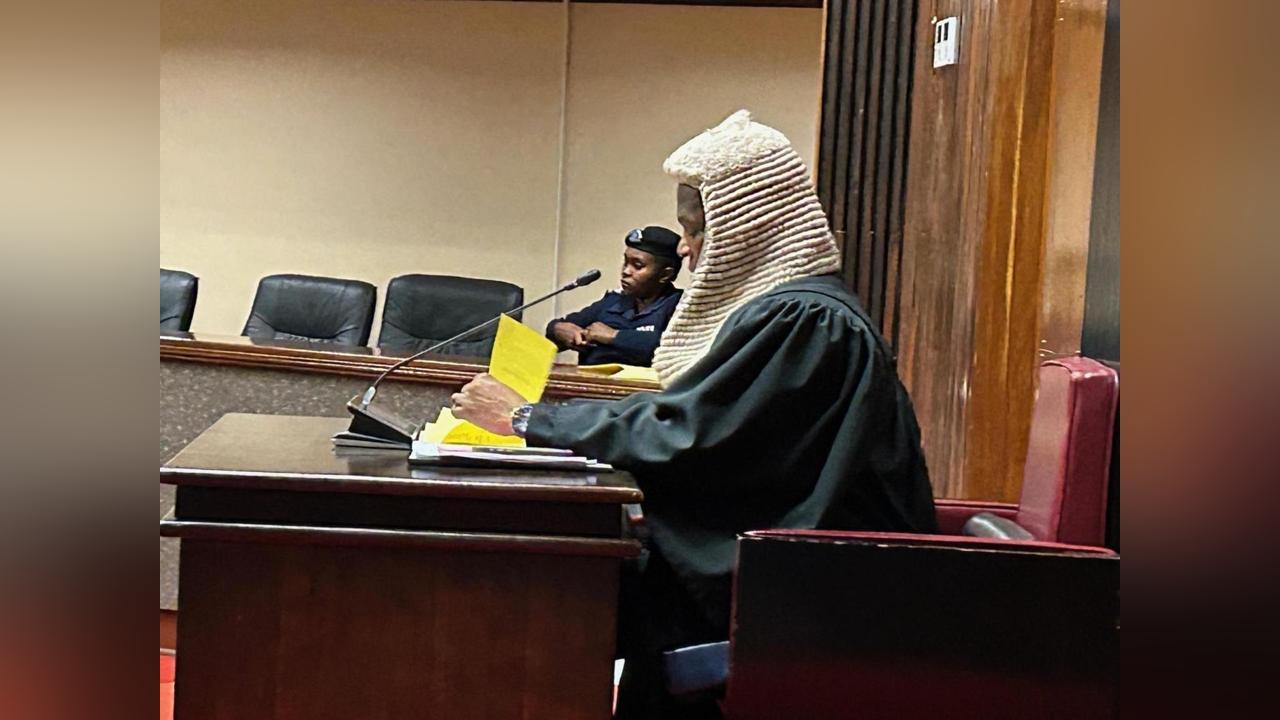
Speaker Jabulani Mabuza.
Minister of Finance Neal Rijkenberg, while addressing the realities of managing a nation’s debt, acknowledged the challenges associated with servicing debts, stating, “Running a country with debts is a headache.”
However, he reiterated the government’s commitment to ensuring that the loans are utilized effectively and responsibly to stimulate growth and development.
The remarks from both Khumalo and Rijkenberg reflect a broader effort by Eswatini’s leadership to reassure citizens and stakeholders about the country’s financial management capabilities.
As the government navigates the complexities of balancing development needs with fiscal responsibility, the focus remains on optimizing the benefits of borrowing while mitigating potential risks associated with accumulated debt.
The potential positive outcomes from these loans, especially in the areas of infrastructure and electrification, have sparked optimism among citizens.
However, ongoing transparency and communication regarding how funds will be utilized will be critical in maintaining public confidence as the government embarks on its ambitious fiscal plans.
It is worth mentioning that as Eswatini moves forward, the conversations surrounding debt and loans will continue, but with a renewed focus on sustainable management practices and the careful leveraging of financial resources to support the nation’s growth.
For More News And Analysis About Eswatini Follow Africa-Press