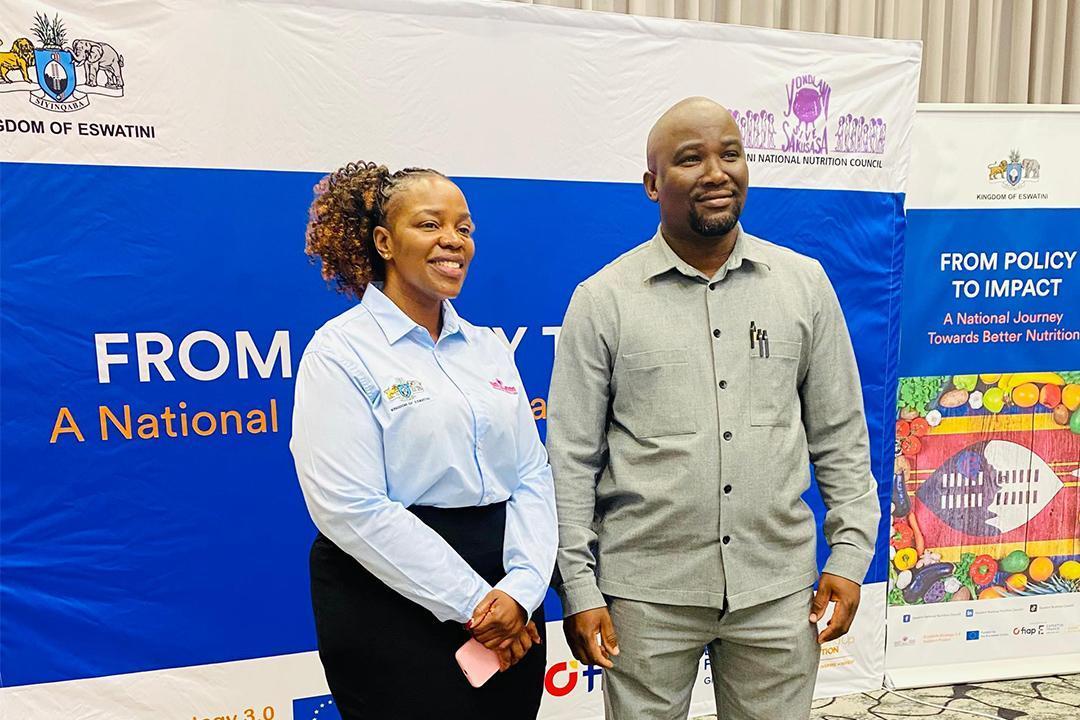
Africa-Press – Eswatini. The Eswatini National Nutrition Council (ENNC) is rallying Cabinet Ministers and Members of Parliament behind the revised National Food and Nutrition Policy and ENNC Bill, saying stronger political support is essential to improve the health and future of every emaSwati.
The council this week concluded a validation workshop that brought together government officials, development partners, civil society organisations and nutrition experts to review the two key national documents before they are submitted through the government’s approval processes.
Among those attending were the President of the Senate, Honourable Senator Pastor Lindiwe Gwebu, Cabinet representatives and Members of both Houses of Parliament serving on the Health and Agriculture Portfolio Committees. Their participation was aimed at giving lawmakers a better understanding of the country’s nutrition challenges and the urgent need for a stronger policy and legal framework.
For thousands of families, nutrition is about far more than having food on the table. It determines whether children grow up healthy enough to learn, whether mothers and babies receive proper nourishment, and whether communities can build productive and prosperous lives. Poor nutrition continues to affect health, education, livelihoods and economic development across many countries, making coordinated action essential.
Through the engagement, the ENNC sought valuable recommendations from Parliamentarians to strengthen both the National Food and Nutrition Policy and the ENNC Bill. It also aimed to build consensus and secure the political backing needed for the proposed policy and legislative framework as they move towards Cabinet consideration and, ultimately, Parliament.
The council further called for stronger collaboration between Parliament, Government ministries, development partners, civil society organisations and communities, stressing that tackling malnutrition requires a united national effort rather than the work of one institution alone.
Stakeholders emphasised that nutrition should not be viewed only as a health issue. It is closely linked to education, agriculture, social protection and economic productivity. Better nutrition means healthier children in classrooms, stronger families, a more productive workforce and a more resilient nation.
As the validation process concludes, the ENNC hopes the discussions held with lawmakers and Cabinet representatives will translate into lasting political commitment. Such support would help establish a stronger legal and policy foundation capable of improving nutrition outcomes for current and future generations while ensuring that every emaSwati has a fair chance to live a healthy and productive life.