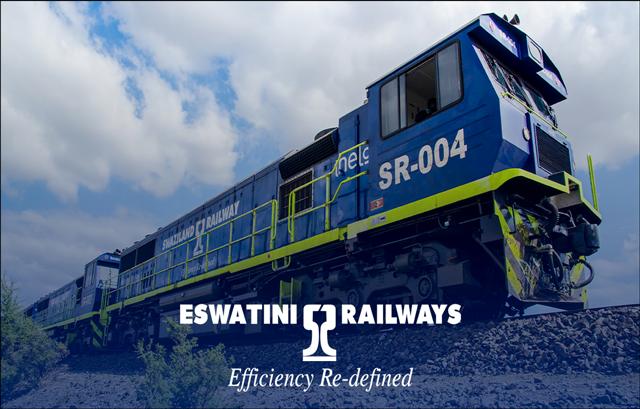
Africa-Press – Eswatini. Eswatini Railways (ESR) has recorded a net loss of E16.1 million before tax.
The parastatal made a total loss of E12 million after tax in the year 2022 compared to the loss of E0.7 million in the year 2021.
ESR Chief Executive Officer (CEO) Nixon Dlamini, in the Integrated Annual report 2021/22, said the past year had been undeniably tumultuous and they battled social unrest and violence in June 2021, as well as vandalism and cable theft in both Eswatini and South Africa.
He stated that although they were not under direct threat from the civil unrest, they were compelled to take measures to secure infrastructure and continued to move trains with the help of the security forces.
“Fortunately, we suffered neither loss of life nor equipment. Despite a turbulent operating environment, it brought out the best in the organisation, forcing us to be innovative, agile and resilient to weather the storm,” he said.
He said it was a tough year for ESR, as they recorded a disappointing net loss of E16. 176 million before tax.
“In addition, despite constrained spending and a subsequent E24. 178 million which is 7 per cent saving on costs, revenue dipped by 6 per cent, while implementation of our 2019–2022 strategy was held back by COVID-19,” Dlamini stated.
He said the only notable capital expenditure during the year was the construction of the Mpaka ICD. The chief executive officer said nevertheless, they have managed to gather speed adding that he was reasonably satisfied with their achievements under the circumstances. He said the ongoing need to draw on cash reserves to fund operations in light of declining revenue, is however, a concern.
According to Dlamini, ESR was unique in that despite being a parastatal, they did not receive funding from government.
“With the exception of major capital works, our day-to-day operations and minor infrastructure requirements are funded through our balance sheet,” he said.
According to the ESR integrated annual report, the organisation failed to meet its revenue targets this year and the E14.9 million saving on expenditure was not enough to compensate for the loss in revenue.
The report explains that revenue of E315.8 million from freight and E20.5 million from non-core business was projected for the financial year; however, performance fell short of the mark, with transit revenue underperforming significantly against target.
“Total freight revenue declined by E17.1 million, a 6 per cent drop from the prior year, and was 22 per cent below target,” read the report.
It stated that transit revenue improved by 2 per cent compared to last year, but underperformed by 17 per cent which was E40.3 million against a target of E243.8 million and transit revenue accounts for 82 per cent of total revenue and 93 per cent of the volumes transported.
“Revenue from imports such as cars, fuel, cement and containers fell by 39 per cent, largely due to legislative changes regarding the importation of second-hand vehicles and restricted trading with non-SACU countries. Floods in KwaZulu-Natal also contributed to this situation, and slow train services prompted customers to opt for road transport,’ read the report.
According to this report ESR through the difficulties continued to deliver its strategic objectives set out in the Blue Ocean Strategy, although a number of projects could not be completed by the end of the period and were deferred to the next strategic plan.
“Overall, we made reasonable progress during the year, completing 70 per cent of our strategic projects,” read the report.
It was mentioned that due to poor traffic volumes, volumes were 18.9 per cent less than expected, with ESR moving just 6 080 million tonnes compared to a budgeted 7 495 million tonnes.
“These poor traffic volumes are attributed to several factors including heavy rains which resulted in wet cargo, cable theft on TFR lines, shortages of and faulty telemeters, insufficient rolling stock and flooding in KwaZulu-Natal. The year ended on a positive note, however, due to the resurgence of commodity prices, and coal in particular,” explained the report.
The report further pointed out that the exports impacted by floods exports consisted mainly of bulk sugar, timber and containerised cargo leading to performance declined by close to 20 per cent, which was E164 944.
“Poor train services and flooding at the Durban port were once again the culprits.
Poor revenues naturally mirrored our operating margin of -7 per cent as opposed to the 14 per cent budgeted and return on capital employed at -2 per cent,” read the report.
For More News And Analysis About Eswatini Follow Africa-Press