Africa-Press – Eswatini. Eswatini has welcomed the adoption of the UNESCO Disability Inclusion Strategy (2026–2029), describing it as a landmark achievement that renews the global commitment to advancing disability inclusion across education, science, culture, and communication.
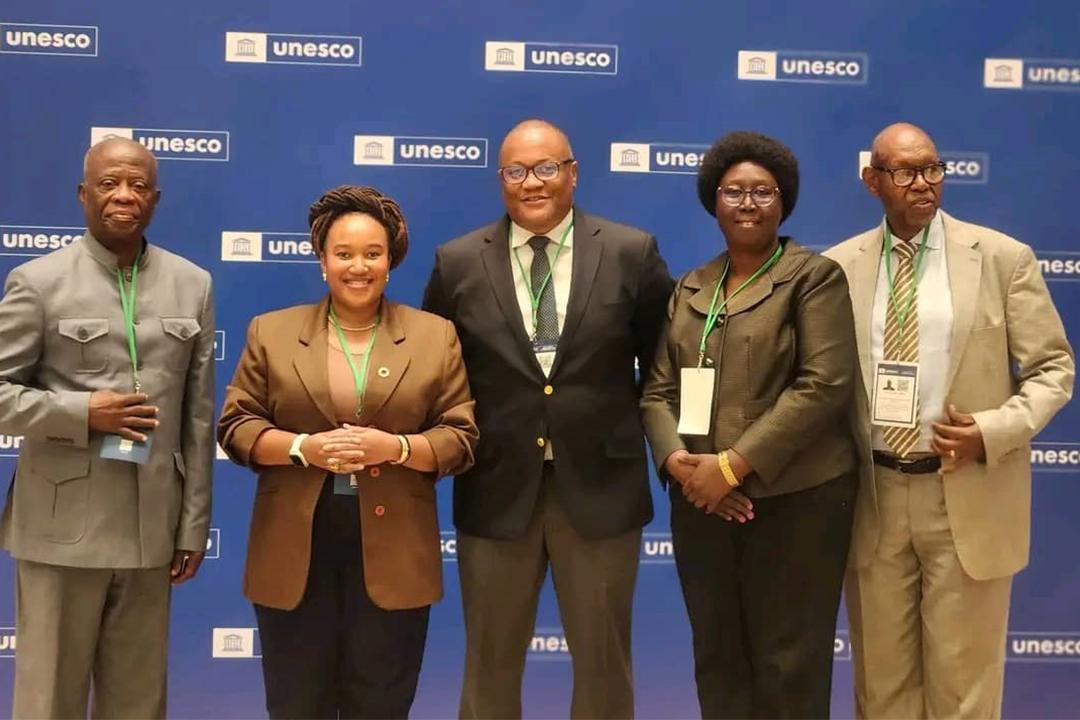
Speaking at the 43rd UNESCO General Conference in Samarkand on 6 November 2025, Lwandle Simelane, Secretary-General of the Eswatini National Commission for UNESCO (UNESCO-NatCom), expressed the country’s pride in contributing to the strategy’s development. She described it as “a defining step towards ensuring that persons with disabilities are not only included but empowered to lead.”
Simelane emphasised that true inclusion goes beyond symbolic participation. She said it requires a systems-thinking approach, connecting policy, practice, and people, and stressed that it is not only about who is included but also how and where inclusion occurs.
The newly adopted strategy, she noted, received strong affirmation from Member States and provides a framework for implementation, monitoring, and evaluation, grounded in accountability and measurable progress.
Simelane reaffirmed Eswatini’s commitment to promoting equality and accessibility, highlighting that when systems are not inclusive, society itself can become a barrier that unintentionally excludes the very youth it aims to empower. She also commended UNESCO’s support in strengthening inclusive education and guiding the development of Eswatini’s National Disability Action Plan, currently in the costing phase.
She further called for robust data collection and evidence-based approaches to better understand the pathways of young people with disabilities, enabling targeted and effective interventions.
“Inclusion must not be an afterthought,” Simelane said. “It must be the very foundation of how we build resilient and equitable societies, leaving no one behind.”
As the strategy takes effect, Eswatini reaffirmed its commitment to empowering young people with disabilities through skills development, confidence-building, and meaningful participation in national development, ensuring that no one is left behind.
For More News And Analysis About Eswatini Follow Africa-Press