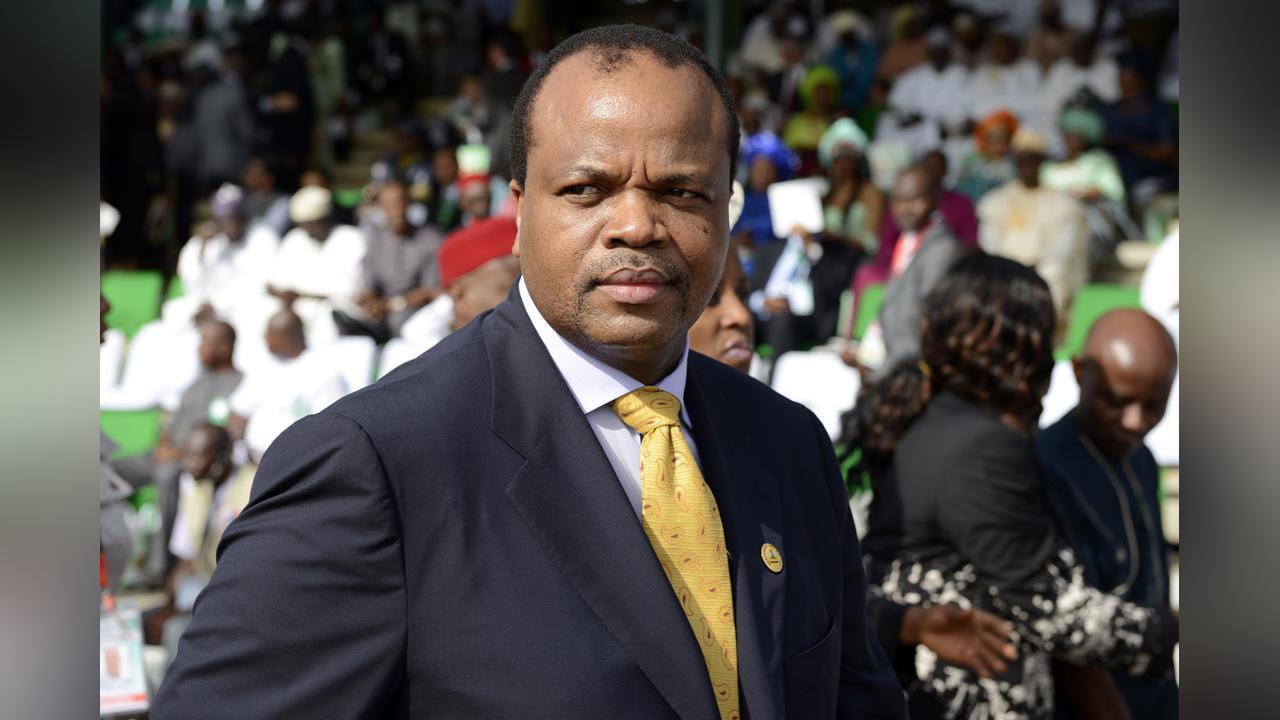
Africa-Press – Eswatini. Eswatini has strengthened its national position on same-sex marriage, joining the majority of African countries that do not recognize or support such unions, following remarks by His Majesty King Mswati III during the Easter service.
Same-sex marriage refers to the legal union between two people of the same sex, either two men or two women. It is often discussed within the broader context of LGBTQ+ rights, human rights, culture, and law.
Eswatini has positioned itself firmly alongside at least 33 African countries that maintain traditional definitions of marriage, reinforcing a continental trend rooted in culture, law, and faith. This renewed clarity follows remarks by His Majesty King Mswati III, who addressed the issue during an Easter gathering at Engabezweni Royal Residence, emphasizing that the Kingdom will not promote same-sex marriage.
Speaking during the service, the King declared that Eswatini’s values are anchored in Christian teachings and long-standing cultural traditions. He made it clear that the country’s approach to marriage is guided by moral principles that have shaped Swati society for generations. His message emphasized that Eswatini will continue to uphold its identity and social fabric without adopting practices that are inconsistent with its national beliefs.
The King’s remarks come at a time when global debates on same-sex marriage continue to evolve. While a number of countries, primarily in Europe and the Americas, have legalized such unions, the majority of African nations have maintained their traditional stance. Across the continent, only one country, South Africa, recognizes same-sex marriage, while many others either do not legally recognize such unions or have laws that reflect conservative social frameworks.
Eswatini’s legal system aligns with this broader African position. The country’s Constitution and marriage laws define marriage in terms that reflect a union between a man and a woman. There are currently no provisions for same-sex marriage or civil unions, reinforcing a legal framework that mirrors the Kingdom’s cultural and religious foundations.
By maintaining its position, Eswatini joins a significant bloc of nations that prioritize sovereignty in shaping social policy. Across Africa, governments and traditional leadership structures have consistently emphasized the importance of preserving national values and resisting external pressures to redefine foundational institutions such as marriage.
This position is often framed not only as a legal matter but also as a reflection of identity. For many African societies, marriage is seen as a cornerstone of family structure, community continuity, and moral upbringing. In this context, Eswatini’s stance resonates with a wider continental perspective that views marriage through a cultural and spiritual lens.
Globally, the situation remains diverse. Although same-sex marriage is legal in nearly 40 countries, the majority of nations worldwide do not recognize such unions. This places Eswatini within a broader global majority, even as international discourse continues to shift in different regions.
His Majesty’s Easter message therefore serves as both a national statement and a clear signal of alignment with prevailing African values. It highlights Eswatini’s commitment to maintaining its cultural identity while navigating an increasingly complex global landscape.
With clear guidance from the King, Eswatini has strengthened its position on marriage, standing with the majority of African nations that uphold traditional definitions. The message signals continuity, stability, and a strong commitment to preserving the Kingdom’s cultural and moral foundations.
For More News And Analysis About Eswatini Follow Africa-Press