
Africa-Press – Eswatini. Frustration boiled over during a recent parliamentary workshop, as Members of Parliament openly questioned whether the country’s fight against corruption is producing meaningful results or merely creating the illusion of action.
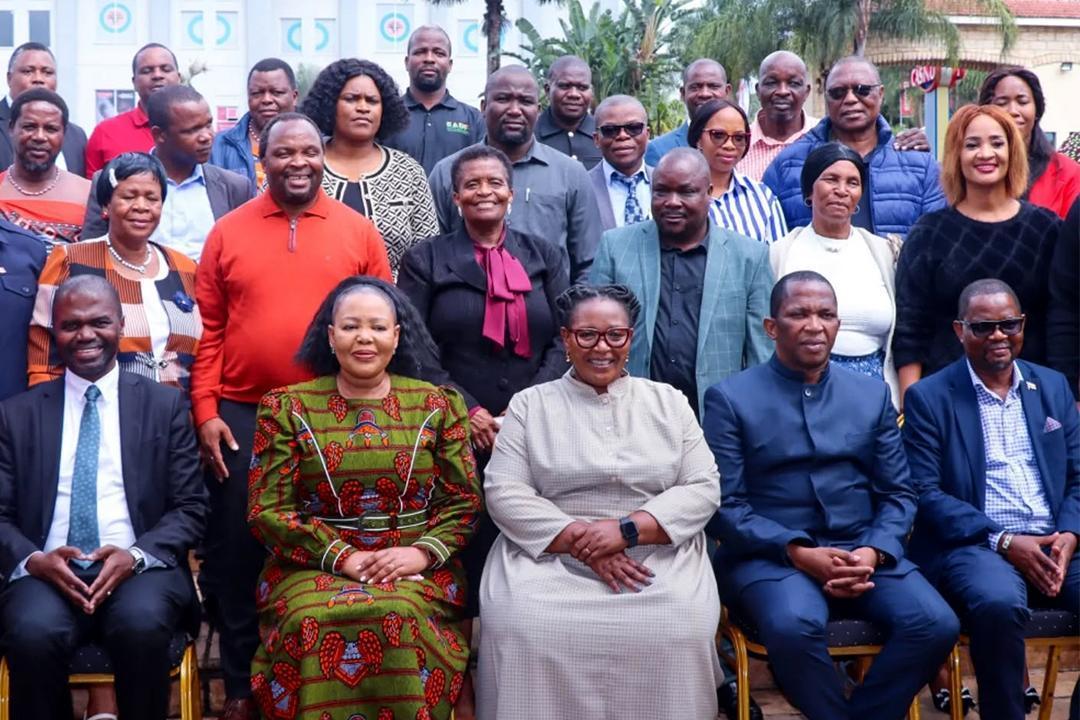
Held at the Happy Valley Hotel, the International Instruments Ratification Workshop became a platform for lawmakers to air deep concerns about the effectiveness of ongoing anti-corruption efforts. MPs expressed disappointment, arguing that despite the allocation of resources and institutional support, there has been little visible progress in holding those implicated in major scandals accountable.
“Big Fish” Still Elusive
A recurring theme among legislators was the perception that high-profile individuals linked to corruption cases continue to evade justice. This has raised doubts about whether the current strategy is capable of tackling entrenched corruption at the highest levels.
Somntongo MP Sandile Nxumalo did not mince his words, stating that the situation shows little sign of improvement—even after efforts to strengthen the Anti-Corruption Commission (ACC) through international expertise. He referenced the involvement of former ACC Commissioner Advocate Thanda Mngwengwe, who was brought in from South Africa to help reinforce the institution.
Institutional Overlaps Questioned
Concerns were also raised about possible overlaps in mandates between key institutions. Hhukwini MP Alec Lushaba questioned whether the roles of the Anti-Corruption Commission and the Human Rights Commission might be clashing, potentially weakening the overall fight against corruption.
This institutional ambiguity, MPs suggested, could be contributing to inefficiencies and delays in addressing corruption cases, particularly those involving influential figures.
Slow Pace Raises Doubts
Echoing similar sentiments, MP Tsembeni Magongo described the pace of the anti-corruption drive as “very slow,” raising concerns about whether procedural requirements—such as the ratification of international instruments—could be hindering progress.
While international frameworks are meant to strengthen governance and accountability, some MPs fear that bureaucratic processes may be delaying urgent action on the ground.
Questions Over Capacity and Strategy
At the heart of the debate is a broader question: Is the Anti-Corruption Commission adequately equipped—both in authority and resources—to win the fight?
Lawmakers suggested that without visible outcomes, particularly the prosecution of high-level offenders, public confidence in the system may continue to erode. The perception that only “small fish” are being caught risks undermining the credibility of institutions tasked with safeguarding integrity.
A Fight at a Crossroads
As the debate intensifies, it is clear that the fight against corruption in Eswatini stands at a critical juncture. For many MPs, the issue is no longer just about commitment—but about results.
Whether through institutional reform, clearer mandates, or a more aggressive enforcement strategy, legislators appear united in one demand: a fight against corruption that delivers justice not only in principle, but in practice.
For More News And Analysis About Eswatini Follow Africa-Press