Africa-Press – Eswatini. A storm of allegations about drug shortages at Mbabane Government Hospital has sparked national concern, but recent developments are revealing a different, more complex truth. While the challenges in the health sector are real, the Ministry of Health has now come forward with detailed records showing that substantial medical and laboratory supplies were delivered to the facility in recent months.
The Ministry this week released an extensive list of over 100 critical items issued to Mbabane Government Hospital between April and June 2025. These included essential antibiotics such as Ampicillin, Clindamycin, and Nalidixic Acid, TB diagnostic kits like GeneXpert, viral testing kits, urine strips, CD4 reagents, specimen containers, HIV testing kits, and numerous laboratory consumables. The data, made public in a move to promote transparency, clearly shows that government has not abandoned its mandate.
In a bold statement accompanying the records, the Ministry asked: “No medication and medical supplies? Shelves running dry? We present a list of lab commodities that have been ordered at CMS and delivered to Mbabane Government Hospital.” It added, “It is true that not all essential medicines and medical supplies are available at the facility, just as is the case with all our public health facilities, yet it is more true that much has been provided to ensure that services continue.”
This response comes on the heels of a 14-day ultimatum issued by Members of Parliament, demanding that Cabinet presents a comprehensive report on the reported shortages. The matter dominated parliamentary debate last week, with MPs calling for urgent accountability to address what they termed a “sickening crisis.”
The concern in Parliament echoes His Majesty King Mswati III’s directive during the opening of the current Parliament session earlier this year. His Majesty was clear and firm: the country’s health system must deliver uninterrupted access to life-saving medication. “Let there be no excuse for failing our people,” His Majesty stated during his Speech from the Throne, urging leaders to prioritize health service delivery and uphold dignity in treatment.
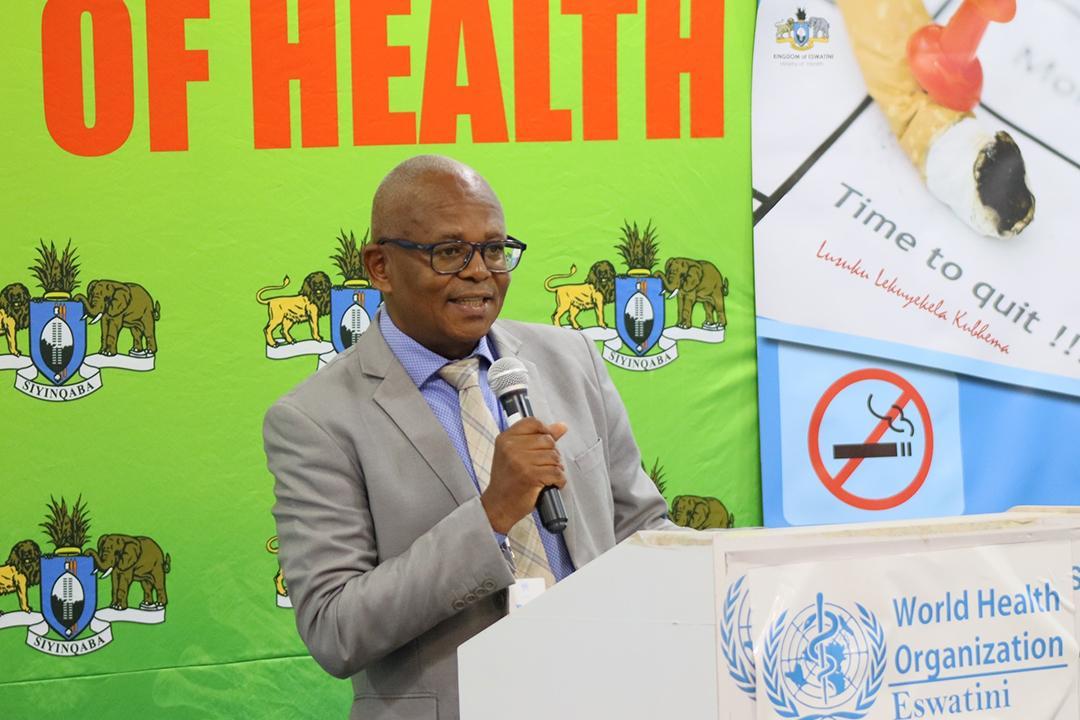
Principal Secretary in the Ministry of Health, Khanya Mabuza, addressed the issue in a press briefing this week. “There are procurement and logistical delays, as is common globally, but hospitals are not operating without supplies. In fact, many commodities have been delivered and are in use.” He also revealed that the Ministry has intensified auditing and restocking efforts, and is working closely with regional health administrators to plug gaps as they arise.
However, the Ministry also warned against misinformation and potential sabotage. Some social media posts and public commentary, they say, paint an alarmist picture that doesn’t reflect the actual situation on the ground. “It’s one thing to highlight areas for improvement,” said one senior official. “But to stir public panic with exaggerated claims is dangerous and borders on sabotage.”
According to health officials, there have been instances where delivered stock was yet to be unpacked or entered into the ward inventory system, leading to inaccurate public reports about availability. These, they warn, can undermine public trust in a system that is actively trying to improve itself.
What’s clear is that the Ministry of Health is not denying the existence of challenges. Rather, it is actively responding, guided by data, community feedback, and national leadership. Supplies are being distributed, monitoring is being strengthened, and reforms are underway.
Eswatini’s health sector is navigating a complex transition, balancing ongoing service delivery with global supply chain pressures. But the evidence now made public shows that government has not stood still. On the contrary, it is working, planning, and delivering — with transparency.
As the country continues to debate the issue, it is vital that citizens rely on facts, not fear. Constructive criticism is necessary, and Parliament’s demand for clarity is welcomed. But those who choose to mislead the public, whether intentionally or carelessly, must be called out.
In moments like these, Eswatini needs unity, not division. There is still work to be done, but the progress is real. And so is the commitment from government to deliver better healthcare for all emaSwati.
For More News And Analysis About Eswatini Follow Africa-Press