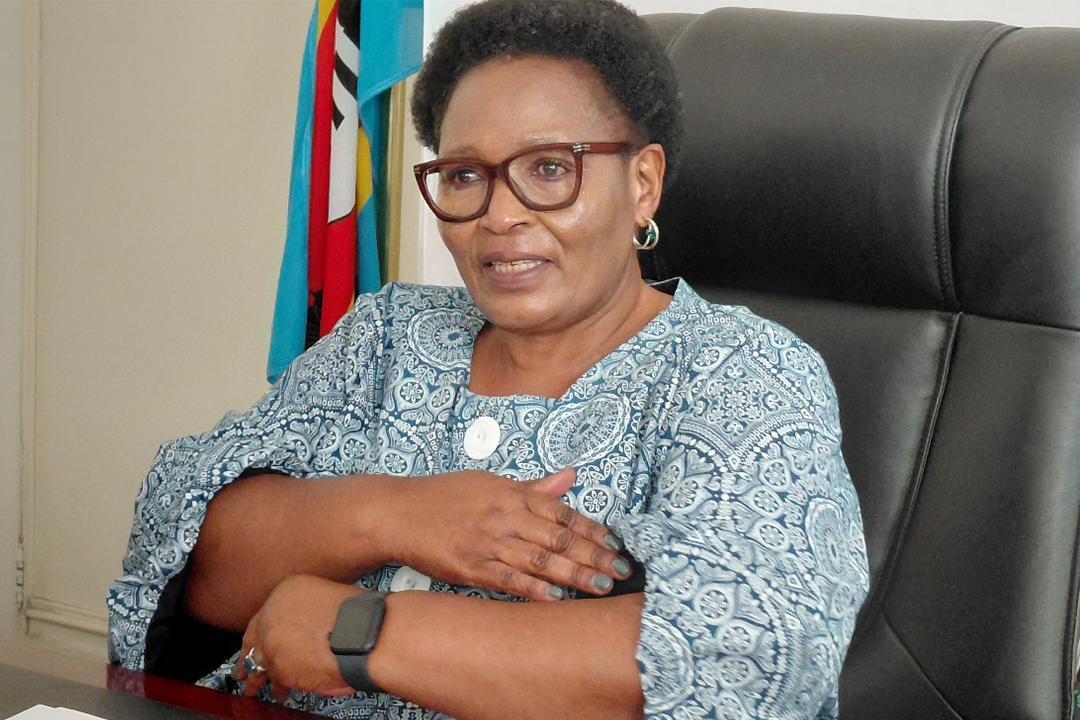
Africa-Press – Eswatini. Deputy Prime Minister (DPM) Thulisile Dladla has emphasised that addressing underlying social challenges such as poverty and unemployment is essential in the fight against gender-based violence (GBV) in Eswatini.
Speaking during an interview, the Deputy Prime Minister said GBV cannot be effectively eradicated through declarations alone, but requires a deeper focus on the root causes affecting households and communities.
Social Challenges Driving Domestic Conflict
Dladla identified poverty, unemployment, and broader socio-economic pressures as key contributors to domestic violence. She noted that these challenges often create tension within households, which can escalate into abusive behaviour.
According to her, economic hardship places strain on relationships, particularly where traditional expectations are not met. She explained that societal norms often position men as providers and protectors, and when they are unable to fulfil these roles, frustration and a sense of inadequacy may arise.
This, she said, can contribute to conflict within the home, especially in situations where women become the primary earners, potentially disrupting traditional dynamics.
Complex Social Dynamics Require Holistic Solutions
The Deputy Prime Minister also pointed to other social dynamics that may contribute to GBV, including survival strategies adopted by individuals facing financial hardship. She indicated that some women, in an effort to cope with economic challenges, may engage in multiple relationships for financial support, which can further complicate personal relationships and increase the risk of conflict.
Dladla stressed that these situations highlight the complexity of GBV and the need for comprehensive interventions that go beyond surface-level solutions.
Beyond Declaration: Need for Long-Term Interventions
Addressing the question of whether GBV should be declared a national disaster, Dladla indicated that such a declaration alone would not resolve the issue. She argued that sustainable solutions lie in addressing the socio-economic conditions that fuel violence, including job creation, poverty alleviation, and community empowerment initiatives.
The Deputy Prime Minister maintained that long-term strategies aimed at improving livelihoods and strengthening social structures are critical in reducing incidents of GBV.
Call for Collective Action
Dladla called for a collective approach involving government, communities, and individuals to tackle the root causes of violence. She emphasised that while policy interventions are important, behavioural change and social support systems are equally necessary in addressing GBV effectively.
The remarks underscore the importance of a multi-faceted response to gender-based violence, focusing not only on immediate protection measures but also on long-term socio-economic transformation.
For More News And Analysis About Eswatini Follow Africa-Press