

BY NONTSETSELELO DLAMINI (INTERN)
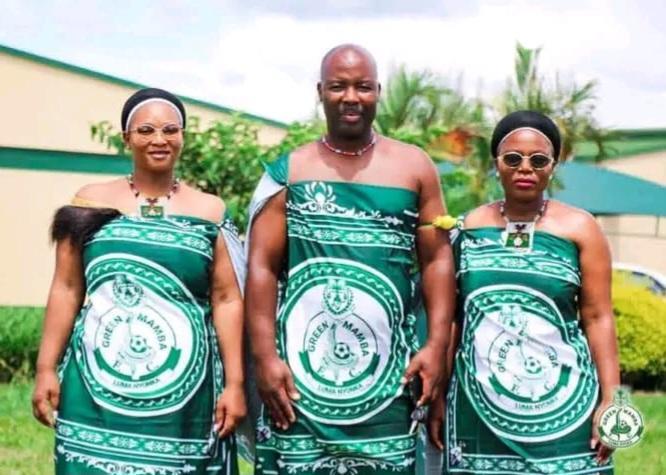
MBABANE – Green Mamba FC has taken a bold step towards preserving culture in football after unveiling lihiya as part of the club’s identity.
The club introduced the traditional attire in this past Friday as a symbol meant to strengthen the bond between the team and its supporters while celebrating the rich cultural heritage of the Kingdom of Eswatini. The initiative was achieved through collaboration between the club’s management and cultural advisors.
The attire, traditionally worn in cultural ceremonies and celebrations, has long been regarded as a symbol of Swazi identity. By incorporating it into the football culture, the club hopes to bridge the gap between sport and tradition while strengthening supporter engagement.
The initiative has also drawn attention beyond the football fraternity, with His Majesty’s Correctional Services (HMCS) acknowledging this on its social media platforms. The institution shared the club’s unveiling of the traditional lihiya earlier this week, praising the move as a positive effort towards preserving and promoting Swazi culture through sport. The post highlighted how the integration of traditional attire in football reflects the importance of safeguarding cultural heritage in Eswatini while strengthening national identity.
The development comes at a time when the promotion of cultural identity is gaining momentum in Eswatini, with some schools also embracing traditional attire as part of their school uniforms. For instance, learners at Somnjalose High School have incorporated traditional attire into their school uniform as a way of encouraging cultural pride among the youth while keeping Swazi traditions alive.
This dual movement in schools and sports signals a major shift in how the nation views its heritage. What was once seen as strictly “traditional” is now being standardized and professionalized for the modern world, marking a significant elevation of siSwati culture into the professional and academic mainstream.
By weaving the lihiya into the daily lives of students and the commercial branding of elite athletes, Eswatini is proving that its history is not a relic of the past, but a living, breathing part of its future. As these two worlds the classroom and the pitch unite under a common thread of identity, the message to the world is clear: Eswatini’s heritage has been successfully elevated, ensuring that the nation’s most sacred symbols are no longer just for the elders, but are the proud, modern uniform of a generation moving forward.
Post Views: 125