By MARGARET LUBINDA
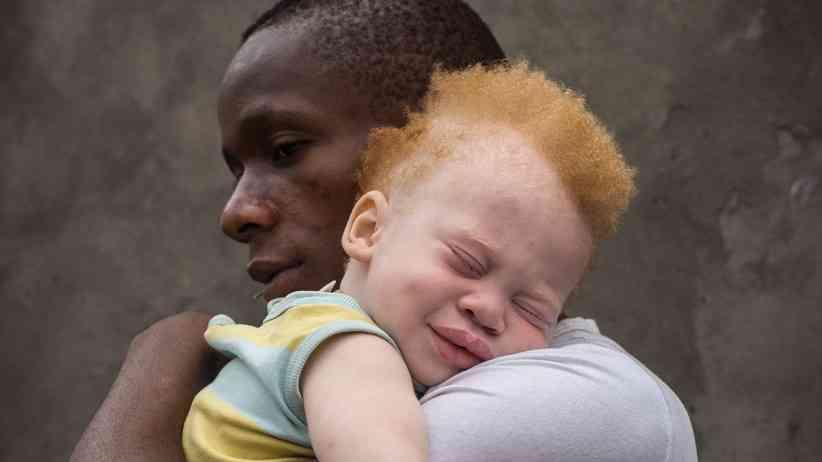
Africa-Press – Ethiopia. THE albino community has shared harrowing experiences of discrimination, harmful myths and threats of ritual exploitation that continue to endanger their lives.
Many describe being ostracised by neighbours, subjected to hurtful stereotypes and even targeted for body parts in traditional rituals — a fear that has forced some to hide indoors or avoid attending community events.
Advocates argue that the situation underscores an urgent need for education, public awareness campaigns and stronger protections to safeguard the rights and lives of people with albinism.
The marginalised group finds solace in initiatives like the Vikela skin cancer screening mobile clinics, with the second phase organised by Noble Hands Zimbabwe Trust (NHZT) in partnership with the Health and Child Care ministry on Saturday at Mpilo Central Hospital in Bulawayo.
Over 60 persons with albinism from Binga, Victoria Falls, Bulawayo, Plumtree and Tsholotsho were given an opportunity to consult a surgeon, dermatologist and neurologist, and to be treated for any skin conditions they may have, in a bid to fight skin cancer — a condition that has claimed the lives of many people with albinism, as observed by NHZT.
They tell stories of being abducted for ritual purposes, with some toddlers’ guardians and parents approached by wealthy individuals negotiating a price for their children, and even traditional healers proposing to buy their children’s hair.
Some recall pregnant women telling them not to look at them when they meet on the streets, believing their unborn child might resemble them.
“Every time I go to the shops with my aunt, people stop and gaze at me, saying unspeakable things, or greet me with certain synonyms, but my aunt always has a response for them, which makes me confident,” said a five-year-old from Victoria Falls.
Social justice advocate for persons with disabilities, Kudakwashe Govere, recalls how a trip to school on the morning of November 27, 2023, turned into an abduction in Bulawayo, from which she narrowly escaped rape and death.
“I was hoping to get transport just near the church where I usually wait. Unfortunately, men came with their car, picked me up, threw me into the car and blindfolded me,” she said.
Govere added that as she started crying, she was threatened with death, forced to choose between dying peacefully or “the hard way”.
“They told me they had been following me for two weeks until that day. One confessed he was really sorry, but had to do it because he needed the money,” she added.
“This guy stripped me, one of them attempted to assault me, and they kept arguing among themselves.
“The other kept touching me, saying he had longed all his life to feel and sleep with a person with albinism like me.”
She further explained that she was taken to a bush in Burnside, where the three men were waiting for their leader to decide which body parts they wanted, but he was unreachable.
On the way back, she managed to escape from the moving car, with motorists witnessing and helping her.
“When we reported to the police, they traced the car to Belmont. One man was arrested, though he refused to name his accomplices.
“We proceeded to court in December 2023, and he was prosecuted in February 2024,” she added.
Govere also recalled facing discrimination growing up alongside a brother with albinism, including being thrown out of a party as a child.
These experiences led to lasting feelings of exclusion and avoidance of social events, further stressing the need for awareness programmes to protect children with albinism from similar stigma.
Portia Sibanda, from Plumtree, lamented how she had to leave a job in South Africa and forgo a donor opportunity because of threats to her four-year-old, with individuals offering huge sums for either her child or her hair.
“At one point, when walking in town with my child, a wealthy man stopped his car and asked how much I would take for my child. I refused and ran away, later discovering he was well-known in the area. I had to move for safety,” Sibanda said.
She added that traditional healers in the central business district offered ZAR5 000 for her child’s hair.
“I even witnessed a woman in town whose child had their hand cut off by men who quickly fled in a car,” she added.
Musician, advocate and Albinism Konect ambassador Marvellous Tshuma described how she fears travelling to other countries due to risks of ritual attacks.
“I research the country before going,” she said.
“On one occasion, we had to be escorted by military police because people with albinism are in high demand abroad, and anything could happen to us.”
Meanwhile, NHZT donated sunscreen lotions and sun hats to people with albinism, educating them on usage, self-screening tips, and protective clothing.
Similar initiatives are planned for Gokwe and Masvingo in January and February, respectively.
“We have realised that people with albinism, especially in the southern region (Region Five), face extreme weather and limited access to clinics. Many cannot even obtain sunscreen,” NHZT executive director Willard Musiyarira said.
Source: NewsDay
For More News And Analysis About Ethiopia Follow Africa-Press