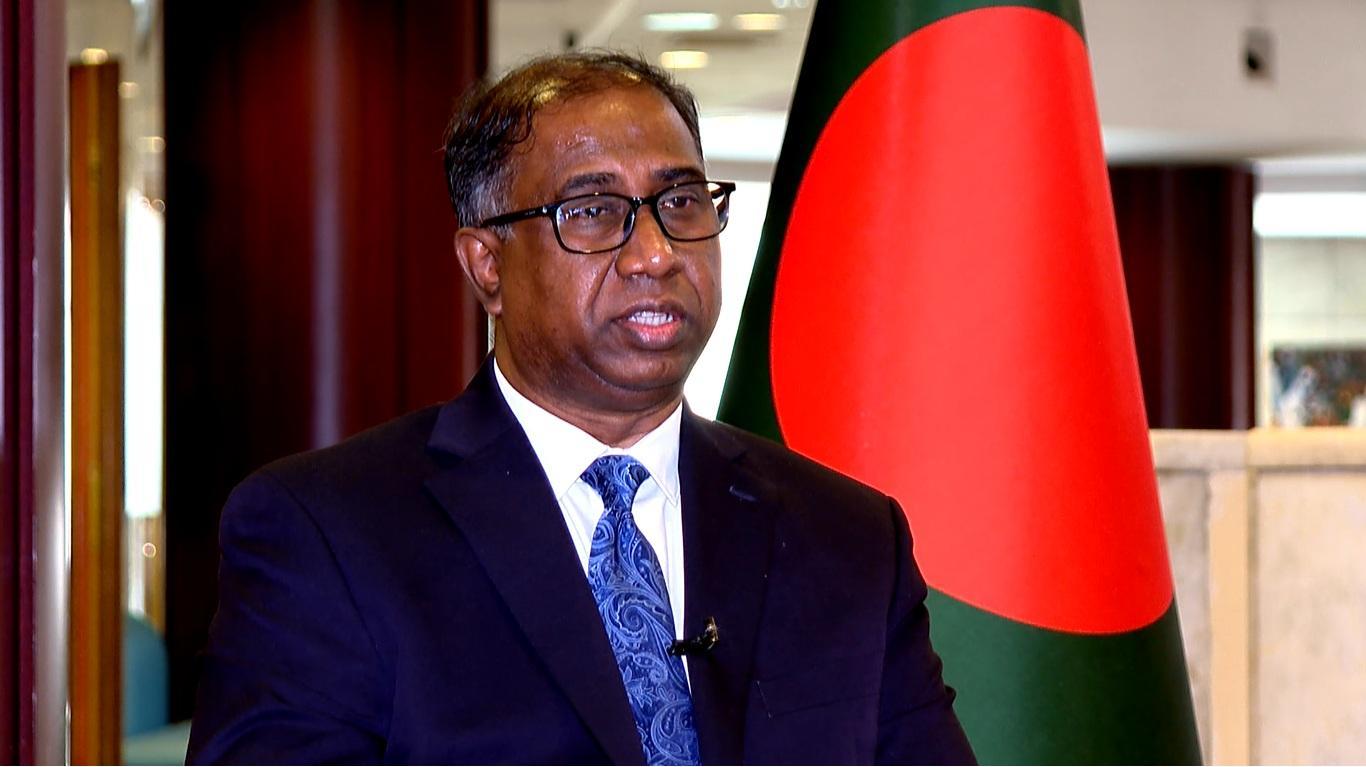
Africa-Press – Ethiopia. Bangladesh is pushing for closer cooperation with Ethiopia, with a focus on agriculture, renewable energy, and climate action, according to the country’s ambassador to Ethiopia, Air Vice Marshal Sitwat Nayeem.
Speaking after visits to agricultural areas outside the Ethiopian capital, Nayeem praised Ethiopia’s rapid progress in the sector, highlighting significant opportunities for shared growth and collaboration.
Ethiopia, endowed with favorable ecological conditions for agricultural productivity, is increasingly positioning agriculture, particularly wheat — at the center of its economic transformation agenda. Through a mix of policy reform, irrigation expansion, improved seed systems, and large-scale farmer mobilization, the country has made notable strides in recent years.
Since the launch of its irrigated wheat program in 2018, Ethiopia has moved from being a chronic wheat importer toward self-sufficiency.
By 2023–2025, the country not only closed its import gap but also began positioning itself as a potential exporter and a regional model for agricultural transformation.
The wheat success story has emerged as a flagship example of Ethiopia’s broader development ambitions, with the government pledging to share its experience across Eastern Africa.
Against this backdrop, Ambassador Nayeem underscored Bangladesh’s own agricultural achievements, particularly its transition to rice self-sufficiency.
“Bangladesh has moved from importing rice to becoming an exporter at times. This experience offers valuable lessons,” he said.
“Both countries can come together, especially in agricultural education and knowledge sharing,” according to the ambassador.
Beyond agriculture, the ambassador commended Ethiopia’s ambitious shift toward renewable energy, describing it as a model for developing nations.
Ethiopia has positioned clean energy at the core of its long-term development strategy, anchored by major hydropower projects such as the Grand Ethiopian Renaissance Dam (GERD), alongside expanding investments in wind and solar energy.
Today, the country generates the vast majority of its electricity from renewable sources, it was pointed out.
This progress is increasingly aligned with green mobility ambitions. Ethiopia has introduced restrictions on petrol- and diesel-powered vehicle imports while promoting hybrid and fully electric cars, a move aimed at reducing fuel import costs, cutting urban pollution, and maximizing the use of its renewable energy capacity.
“Ethiopia is taking definite measures for green energy,” Nayeem noted.
On climate change, the ambassador delivered a strong message of urgency, emphasizing the shared vulnerability of Bangladesh and African nations.
“We produce the least, yet we suffer the most,” he said, pointing to the disproportionate impact of climate change on developing countries.
Referencing discussions at the African Union summit, he highlighted a growing consensus on the need for collective global action.
Nayeem called on vulnerable nations to strengthen their advocacy on the international stage and push for concrete measures to combat climate change and reduce emissions.
“This is the time to raise our voices and take action for the future,” he concluded.
For More News And Analysis About Ethiopia Follow Africa-Press