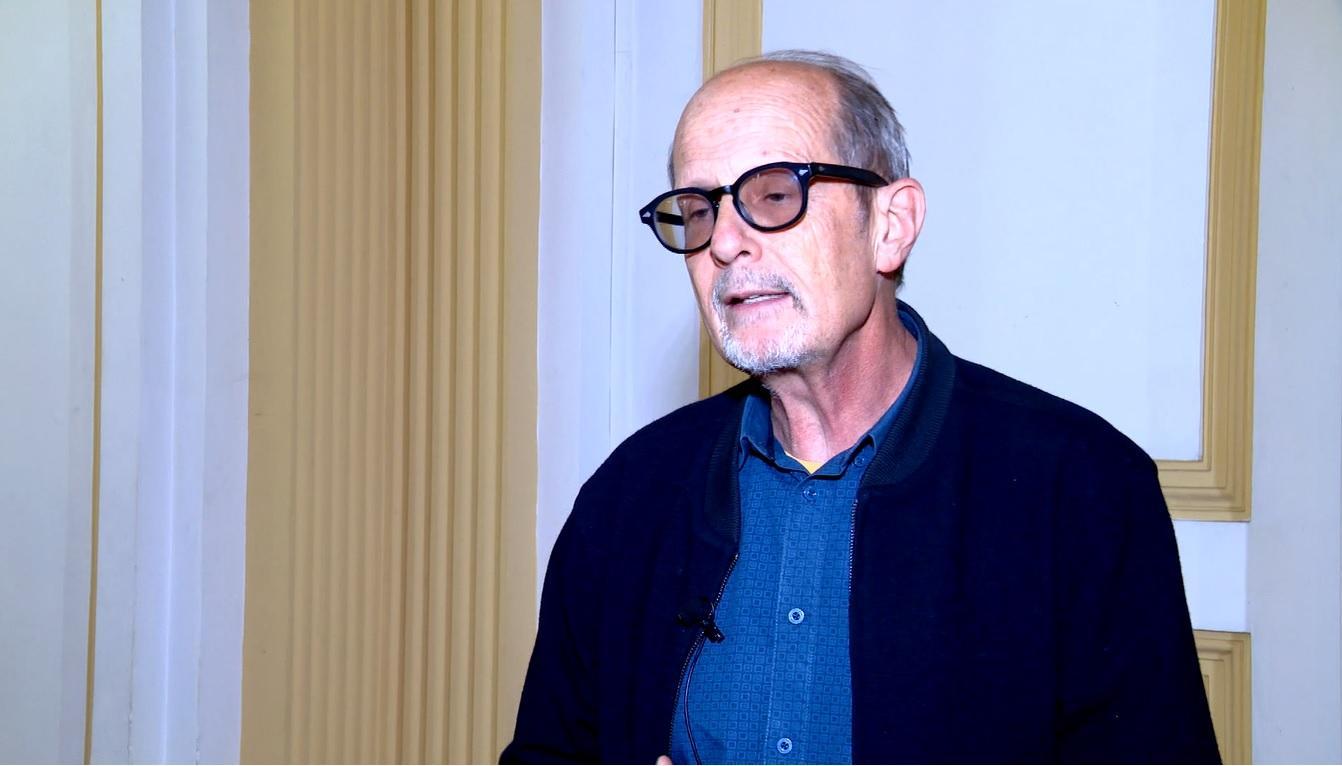
Africa-Press – Ethiopia. Ethiopia’s efforts to reclaim its scattered cultural treasures have gained significant momentum with the recent return of a historic shield from the Royal Ethiopian Trust, prominent historian and sociologist Alula Pankhurst said.
The country has stepped up its global efforts to repatriate cultural artifacts looted during the 1868 Maqdala campaign and through other illicit means.
Alula, who teaches history and sociology at Addis Ababa University, told ENA that this recovery marks a significant milestone, regarded by heritage advocates as both a symbolic and practical breakthrough in the long-standing restitution campaign.
Progress has accelerated through strengthened collaboration with institutional and civil society partners in the United Kingdom and Italy, he added.
Growing dialogue and coordinated action are replacing previous resistance and delays, enabling the opening of collections, tracing of provenance, and clearer pathways for the return of artifacts.
The campaign targets major collections seized during the 1868 Maqdala campaign, the Italian occupation, and decades of illicit trafficking.
Focused on repositories in Britain, Italy, Europe, and North America, the renewed drive is led by the Association for the Return of Maqdala Ethiopian Treasures (AFROMET), working closely with national heritage institutions and government agencies.
He also described the effort to the Ethiopian News Agency as a “sustained and multifaceted campaign.” He highlighted the coordinated involvement of government bodies, international organizations, and committed individuals.
“These initiatives aim to consolidate and celebrate Ethiopia’s rich historical and artistic legacy within its borders, providing invaluable resources for national pride, education, and tourism,” Pankhurst said.
He identified the Institute of Ethiopian Studies (IES) as a central force in the movement.
The IES, home to the world’s largest collection of Ethiopian ethnographic and religious artifacts, collaborates closely with the National Museum to safeguard the nation’s heritage, he added.
According to him, the government’s restitution drive is increasingly tied to economic development.
The active role of the Minister of Tourism reflects this shift, framing returned cultural artifacts as vital assets for national growth, he said, adding that recent achievements underscore this progress.
He also emphasized that the reclaimed treasures has strengthened by forming partnerships in the UK, Italy, Europe and North America resulted a rise in private donors motivated by what they call an “ethical imperative” to restore cultural items to their rightful homeland.
For Pankhurst, this mission is deeply personal and intergenerational as his grandmother defended Ethiopia during the Italian invasion, and his father was a founding advocate of AFROMET.
He continues the work today through the National Heritage Restitution Committee and the Society of Friends of the IES.
Despite recent gains, Pankhurst cautions the journey is far from over. “A rich heritage of Ethiopian artifacts remains abroad, underscoring the necessity for continued and expanded initiatives,” he said, envisioning a future where Ethiopia presents a full and authentic account of its history to the world.
The country has been working intensively to return its various artifacts looted in 1868, during the reign of Emperor Tewodros II following the battle of Maqdala at northern Ethiopia.
For More News And Analysis About Ethiopia Follow Africa-Press