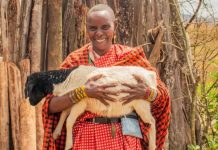
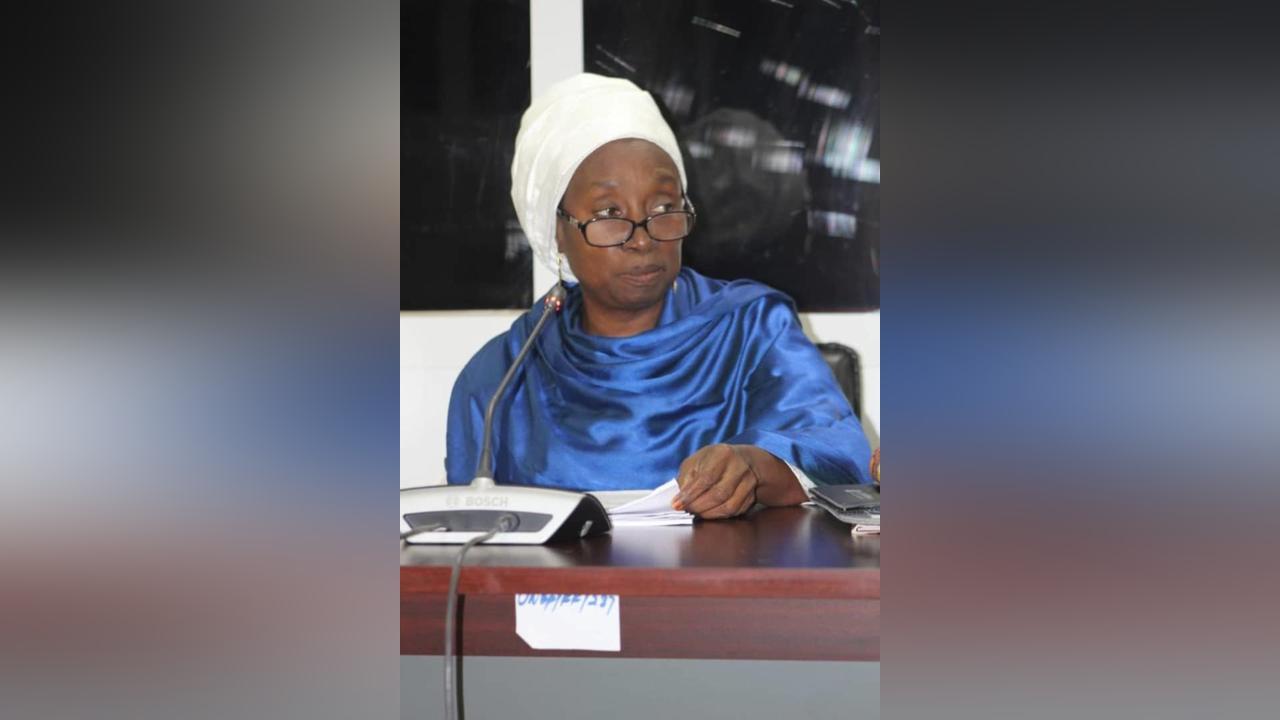
Africa-Press – Gambia. Lead counsel of the Janneh Commission, Amie Bensouda, on Thursday reappeared before the National Assembly Special Select Committee investigating the sale and disposal of assets belonging to former President Yahya Jammeh. During her testimony, she explained that the commission sought a court order to sell Jammeh’s livestock after receiving reports that some of the cattle were deteriorating and being stolen.
Bensouda told lawmakers that one of her early actions as lead counsel was to write to the Gambia Livestock Marketing Agency (GLMA) and the Registrar General—who was responsible for all movable assets—requesting reports on the condition and status of the livestock.
“As regards the livestock, one of those letters that I have written when I started office was to write to GLMA. I also wrote to the registrar general, who was responsible for all movable assets, and asked that they submit reports to the commission. GLMA wrote, saying they had, in fact, not taken over, and because they have challenges,” she said.
She testified that the Gambia Livestock Marketing Agency (GLMA) had outlined several challenges, while the Registrar General also reported that although efforts were underway to assume control of the livestock, some of the cattle were already missing. She said she subsequently wrote to the Attorney General, drawing his attention to the issues raised in the Registrar General’s letter and recommending that appropriate action be taken through the courts.
According to her, the Registrar General’s response made it clear that cattle were being stolen and that immediate steps were necessary. She explained that the decision to sell the livestock was made to preserve the assets pending the conclusion of either the commission’s inquiry or the High Court proceedings.
She further testified that the matter was fully discussed and presented before the commission. Her position was that, because a court order had been issued to attach the assets, any decisions regarding the cattle should rightfully be made by the courts.
She said the commission ultimately ordered the sale of the cattle to prevent further dissipation and loss of the property.
“In this order, if I recall, the leave of the high court shall be sought in respect of this order to be considered appropriate. An application was sent to the high court, and the matter went before the late Justice Jawo; he granted the order for the cattle to be sold. He ordered that it was the sheriff of the high court who should be responsible,” she said.
Following the court order, she said, a tagging team was established, and the commissioners and commission secretary were informed. The Sheriff then assumed responsibility for the sales process, marking the end of her involvement.
Bensouda noted that although she made follow-up inquiries on the report of the sale, the Commission did not receive it before submitting its final findings. She also maintained that she did not take part in the sale process.
She further testified that no investigation was conducted into how the cattle were originally acquired. The livestock, she said, were treated as assets belonging to the former president that could be executed upon by the state, but were not scrutinized beyond that. She added that she had no knowledge of how the cattle were valued.
According to her, the court order stipulated that the livestock be sold by the Sheriff, with GLMA providing assistance in valuing the animals.
For More News And Analysis About Gambia Follow Africa-Press