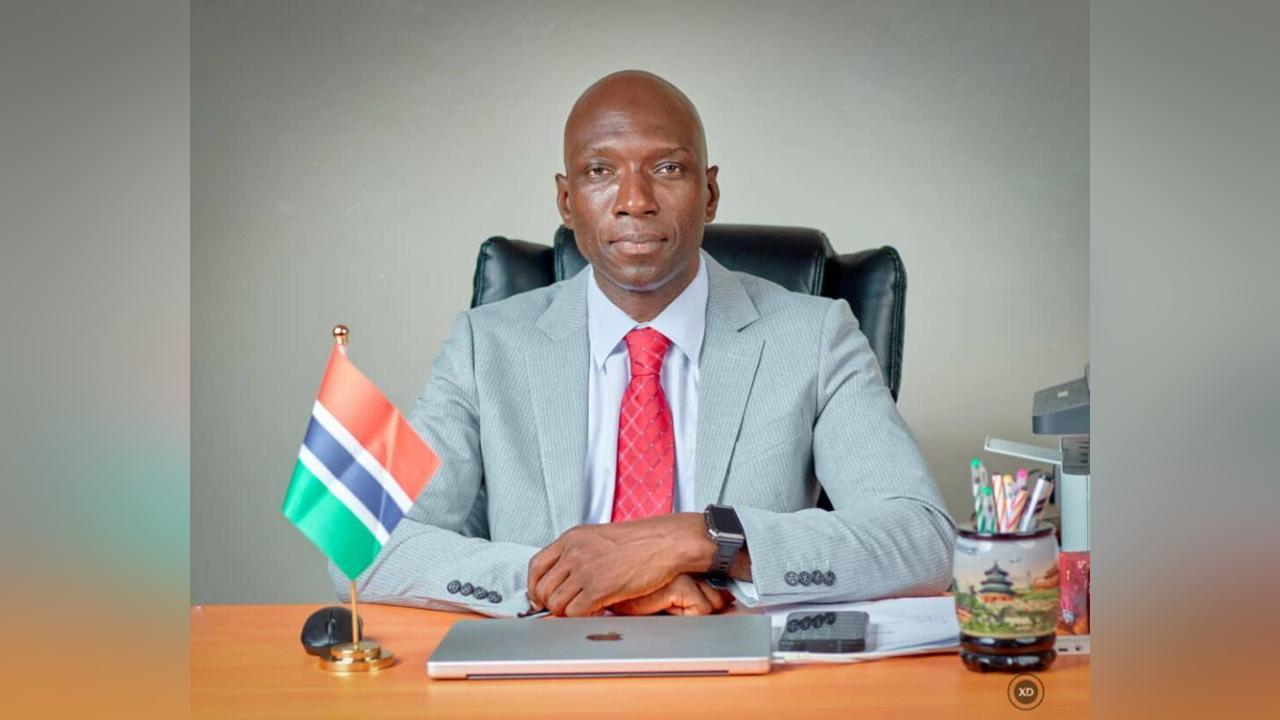
Africa-Press – Gambia. Dr. Ousman Gajigo, an economist and leader of the Patriotic Progressive Alliance, has sharply criticized the government’s proposed 2026 national budget, arguing that it does little to confront the rising cost of living facing many Gambians and reflects what he described as deep flaws in spending priorities and credibility.
In an interview with West Coast Radio, Dr. Gajigo said the central weakness of the budget lay not only in its allocations but also in the government’s record of failing to carry out its stated plans.
“I mean, first of all, the Gambian budget—the first thing anyone has to understand about it is the lack of credibility. It lacks credibility in the sense that a budget is basically a government plan of what it’s going to do, but one thing that has been clear about the Gambian budget is the implementation of what they say they will do and what is actually done differs significantly,” he said.
Dr. Gajigo argued that the budget does not sufficiently prioritize sectors that directly affect food security, employment, and household welfare, particularly agriculture. Instead, he said, spending remained skewed toward areas with less immediate impact on the daily lives of citizens.
He pointed to what he described as disproportionately large allocations for the State House, the Ministry of Foreign Affairs, and the security sector, while key social and productive sectors received comparatively modest funding.
“You have sectors that have high allocations when these are little, like the Ministry of Foreign Affairs, like the State House, and a very inflated security sector budget when you have only relatively small allocations to key sectors like agriculture and key sectors like education and health,” he said.
Dr. Gajigo also questioned the way presidential and vice-presidential offices were presented in the budget, warning that changes in budget lines could create a misleading impression of reduced spending. He said the creation of a separate line for the Office of the Vice President could obscure the overall increase in funding for the presidency.
“If you were to look at the budget this year without being aware that a separate line has been created for the Office of the Vice President, you could have come away with the wrong conclusion that the allocation to the State House has fallen down by 300 million when that is not the case. When that is not the case, the allocation of the state house has increased, and it is more than the National Assembly and the judiciary combined,” he said.
Beyond budget structure, Dr. Gajigo cited broader economic challenges weighing on the country, including high inflation, persistent trade deficits, and a heavy reliance on imports. He argued that greater investment in domestic production, including local rice cultivation, could help reduce pressure on prices and foreign exchange.
While acknowledging some improvements in transparency, Dr. Gajigo said the overall design of the budget failed to respond meaningfully to the economic hardship faced by ordinary Gambians.
“What is promised is not delivered,” he said. “The idea that this budget has been structured in a way that addresses our pressing problems is far from reality.”
For More News And Analysis About Gambia Follow Africa-Press