Africa-Press – Gambia. The Finance and Public Accounts Committee (FPAC) has warned that The Gambia’s 2026 budget faces tightening fiscal pressures, with soaring debt repayments continuing to erode the resources available for essential public services and development programmes.
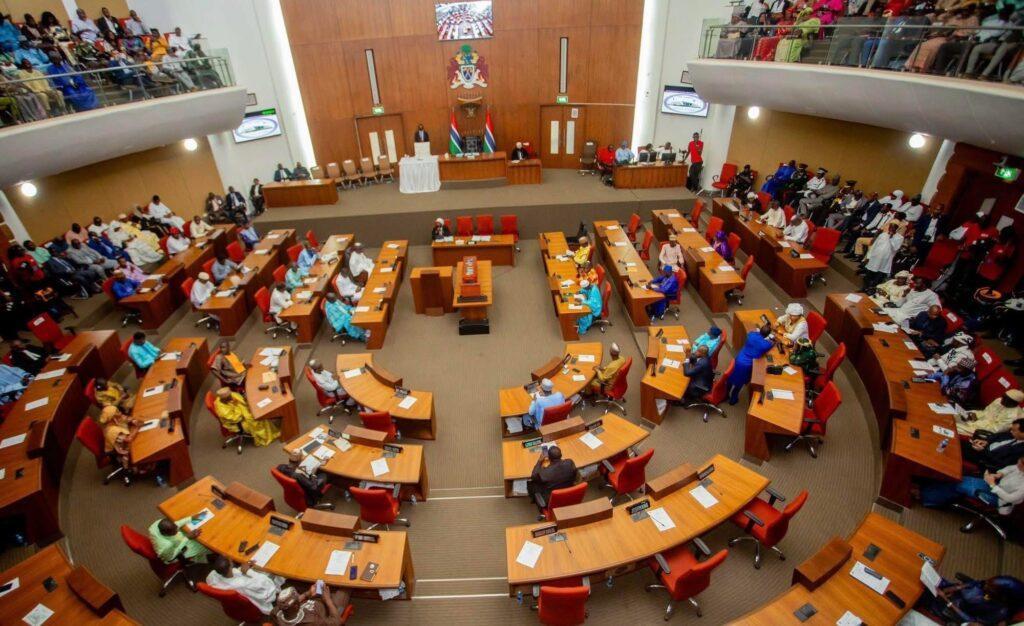
The caution came as FPAC tabled its Consolidated Report on the 2026 Estimates before lawmakers.
Presenting the report, FPAC Chairperson Hon. Alhagie S. Darbo said this year’s budget scrutiny once again highlighted the critical role of parliamentary oversight in protecting public funds and ensuring that every allocation delivers value for citizens. He noted that the country’s spending plans remain squeezed between ambitious national priorities and a debt-service bill that continues to absorb a significant share of domestic revenue.
“The Assembly remains concerned about the extent to which debt service crowds out allocations to productive and social sectors,” Hon. Darbo warned, stressing that the current level of reliance on donor grants to sustain key programmes poses long-term risks. Grants are projected to account for more than 36 percent of total revenue and grants in the coming fiscal year.
The 2026 estimates, presented on October 31 by the Minister of Finance and Economic Affairs, place the total proposed appropriation at D43.49 billion, rising to D59.36 billion when external loans and grants are included. While GDP is expected to grow to D205 billion, FPAC noted that the gains are overshadowed by a debt service projection of D13.46 billion, representing nearly a third of the Government Local Fund budget.
According to the Committee, Sector Committees conducted extensive bilateral sessions with all Ministries, Departments, and Agencies, questioning spending priorities, reviewing historical performance, and identifying errors, including several originating from the Ministry of Finance. These engagements led to a number of reallocations, savings, and targeted increases aimed at correcting persistent under-budgeting and strengthening service delivery.
The report also highlights structural weaknesses across institutions, noting recurring inefficiencies and gaps that continue to undermine effective implementation of government programmes. FPAC urged closer collaboration between the Executive and the Legislature to improve fiscal planning and reduce pressure on the national treasury.
Hon. Darbo commended the work of all Sector Committees, the Ministry of Finance’s technical team, Vote Controllers, and the National Assembly Secretariat, describing the report as a “strategic instrument” for balancing national priorities with fiscal realities.
As the Assembly moves toward approving the 2026 Appropriation Bill, FPAC is urging lawmakers to approach the budget with caution and a renewed commitment to responsible management of public resources.
For More News And Analysis About Gambia Follow Africa-Press