With Binta Jaiteh
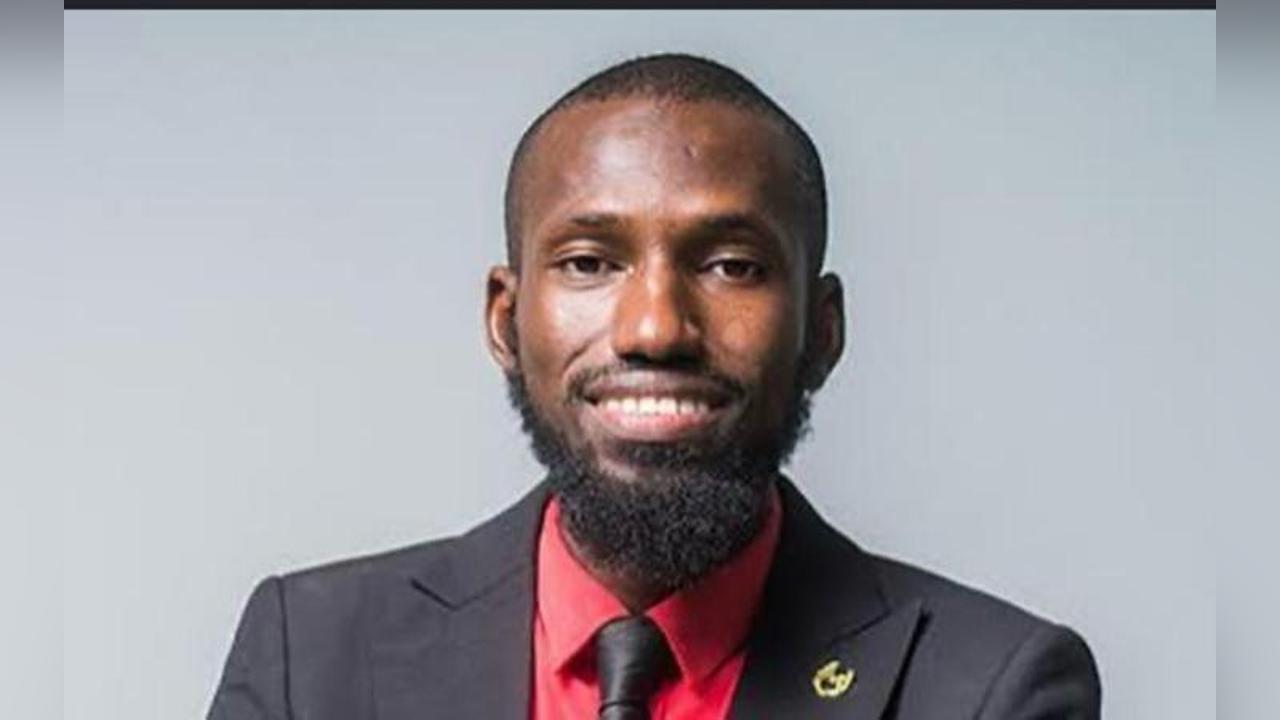
Africa-Press – Gambia. Q&A WITH KIANG WEST LAWMAKER, HON. LAMIN CEESAY
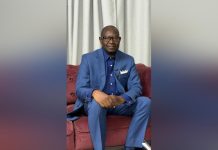
In this week’s edition of Guest of the Week, our reporter sat down the National Assembly Member for Kiang West, Hon. Lamin Ceesay, for an interesting interview. Hon. Ceesay is currently pursuing a Bachelor’s degree in Development Studies at the University of The Gambia. Below is his take on topical issues such as the national budget, the health sector, youth matters and the upcoming elections.
Q: Can you briefly explain your educational background?
A: I attended Muslim High School for my Senior Secondary Education, after which I proceeded to The Gambia College where I obtained a Diploma in Education, formerly the PTC programme.
Q: Following the presentation of the 2026 budget, what are your observations?
A: As a legislator, I understand the budget to be the second most important national document after the Constitution. It outlines government policies, programmes and how national resources will be utilised. This is why a programme-based budgeting approach is used.
We noted significant allocations to road projects. Parliament has therefore recommended that no new road projects be initiated until on-going works are fully completed.
Q: How would you compare previous budgets with the new one?
A: It depends on the priorities set and what the budget seeks to address. From my perspective as both a lawmaker and a citizen, government priorities do not sufficiently respond to the needs of Gambians.
Q: The country continues to take loans annually. Do lawmakers have plans to curb rising debt?
A: Lawmakers have a role to play. Our debt portfolio currently stands at D129.3 billion. We must assess why these loans were taken and whether they have produced tangible benefits. This debt trajectory is similar to situations in many indebted countries.
Q: What is driving the increase in national debt?
A: Debt increase is largely political. Governments often make political commitments to voters, but these can later become burdensome. The Gambia’s development needs require clear prioritisation, yet government capacity to fund projects remains limited.
Q: How would you describe the current health situation?
A: Health services are not satisfactory. Quality, affordability and accessibility are essential components of any health system. In places like Bansang Hospital, there are shortages of beds, forcing some patients to sleep on the floor.
Q: A parliamentary inquiry found out that four babies shared one incubator at the Edward Francis Small Teaching Hospital. What is your reaction?
A: Every year the First Lady visits hospitals to present gifts to newborns. It makes little sense to offer gifts while three to four babies share a single incubator. Government should prioritise investment in health facilities rather than activities with limited socio-economic impact.
Q: Reports indicate that the National Assembly has increased its budget. Your response?
A: I totally debunk that claim. People need to understand how the budget process works. Within the National Assembly, members use fixed tablets attached to their desks for reports, contrary to public claims that new devices were purchased for personal use.
Q: As we approach the 2026 elections, how prepared is the United Democratic Party (UDP)?
A: The UDP is fully prepared and ready for the elections. We intend to engage Gambians on our policies and programmes. While convincing people has its limits, I believe giving up is not an option. In my view, Ousainou Darboe remains the most eligible candidate and has never been implicated in corruption.
Q: Do you support President Barrow’s bid for another term?
A: No. Allowing him to run again would be detrimental. A significant amount of public funds has been mismanaged—resources that should have gone to food supplies or hospital drugs. Many youths have died on the Mediterranean route due to hardship. We also saw the tragedy where 99 children died due to unsafe drugs, yet no senior official has been held accountable despite audit findings.
Q: With the 2026 elections approaching, what is your message to citizens?
A: The 2026 elections will determine the fate of the youth, as the country is facing serious challenges. Citizens must reflect on the past 60 years since independence and assess our current trajectory. We need collective effort to rescue the country from corruption and prevent history from repeating itself.
Source: VOIC OF GAMBIA
For More News And Analysis About Gambia Follow Africa-Press