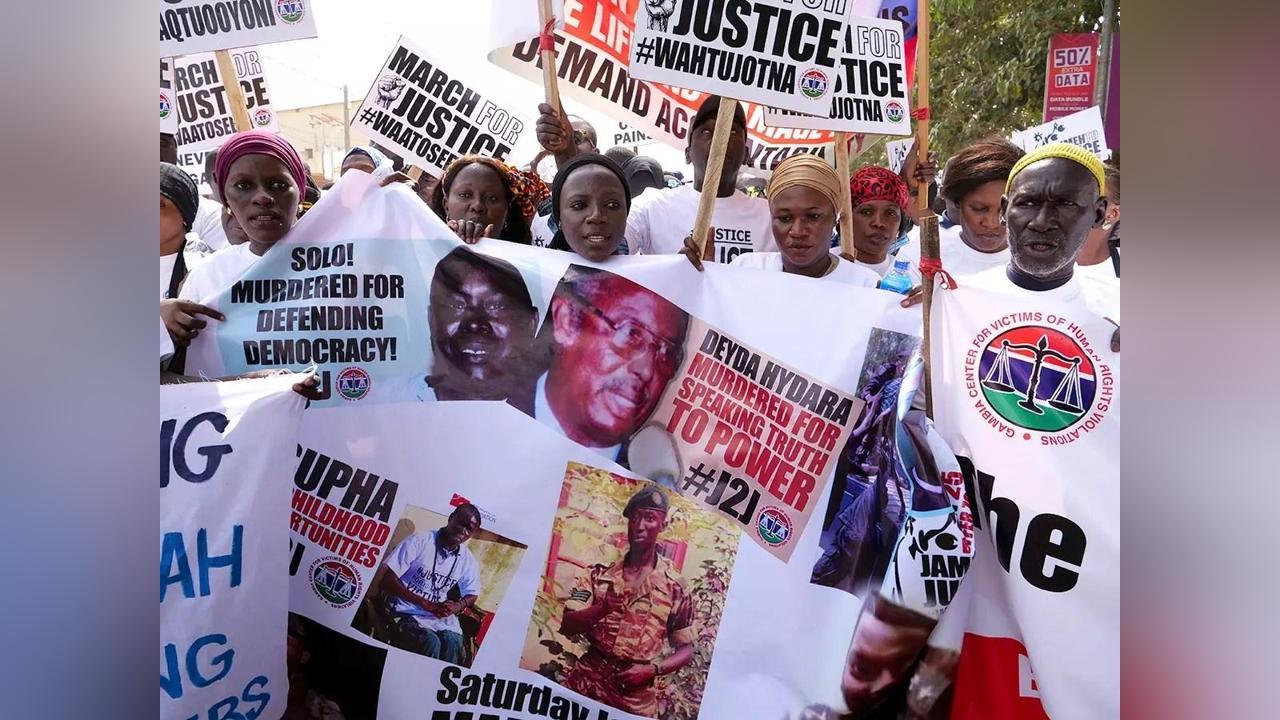
Africa-Press – Gambia. The Gambia Reparations Commission has officially resumed operations of its Medical Board, reopening a critical pathway for victims of human rights violations committed between July 1994 and January 2017 to receive free medical assessments and specialist referrals.
Yesterday’s announcement also confirmed that responsibility for the Medical Board has been transferred from the Ministry of Justice to the Commission, a move officials say will streamline rehabilitation services and place victim care squarely within the reparations mandate.
“The Medical Board was established to ensure that victims’ medical needs are professionally assessed and that referrals are facilitated for further care,” the Commission stated. “It forms an integral part of the Commission’s rehabilitation mandate.”
Rehabilitation is one of the five pillars of The Gambia’s reparations programme, alongside restitution, compensation, satisfaction, and guarantees of non-recurrence. The Commission made clear that the Board’s work is designed to support victims’ physical and psychological recovery, restore dignity, and secure long-term well-being after years of untreated harm.
“The resumption of these services forms part of the Commission’s ongoing commitment to addressing the enduring physical and psychological harm suffered by victims,” the statement said.
Victims experiencing health challenges directly linked to violations suffered under the Jammeh regime are now being urged to book appointments with the Medical Board through the Reparations Commission. Once scheduled, victims will receive free medical assessments, and the Board will issue referrals to appropriate medical facilities based on each case.
To book an appointment, victims can contact the Commission by telephone on +220 7200044 or 3434688, or by email at [email protected]. The Commission advised all applicants to bring existing medical records or related documentation to help the Board conduct accurate assessments and make informed decisions.
The Commission gave firm assurances that every evaluation will be handled with strict confidentiality, dignity, and professionalism, in line with its legal mandate and ethical standards. The pledge is aimed at building trust among survivors, many of whom suffered torture, unlawful detention, sexual violence, and other abuses that left lasting medical and psychological scars.
Transferring the Medical Board to the Reparations Commission signals a decisive shift toward victim-centered service delivery. By housing assessments and referrals under the same body managing reparations, the government intends to cut bureaucratic delays and ensure that health interventions are not divorced from the broader justice and repair process.
The move comes as the Commission accelerates implementation of recommendations from the Truth, Reconciliation and Reparations Commission (TRRC), which documented systematic abuses during Yahya Jammeh’s 22-year rule. With financial compensation underway, the reactivation of the Medical Board tackles the other urgent demand from victims: sustained medical and psychosocial rehabilitation.
The Commission called on all eligible survivors to come forward, stating that rebuilding lives requires more than acknowledgment. It requires treatment, support, and a state-backed commitment that victims will not be left to carry the physical and mental costs of past violations alone.
For More News And Analysis About Gambia Follow Africa-Press