
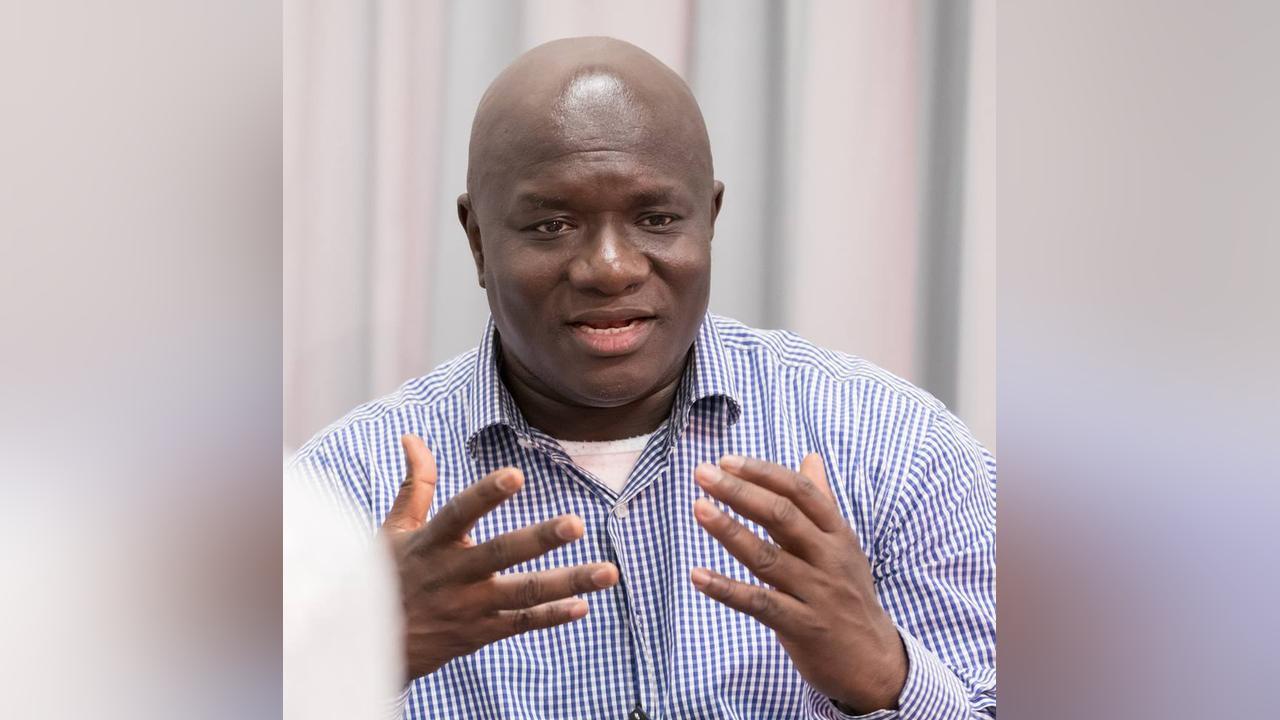
Africa-Press – Gambia. The Edward Francis Small Centre for Rights and Justice (EFSCRJ) has described Gambia’s 2026 election as a referendum on: economic justice, integrity, constitutionalism and the credibility of the country’s democratic process.
The rights body was reacting to findings from a recent national opinion poll conducted by the Centre for Research and Policy Studies (CEPRASS), which highlighted major challenges in governance, leadership, constitution-building, the economy, elections, transparency, and accountability.
In a statement issued out yesterday, EFSCRJ said the issues raised in the poll were central not only to its own mandate, but also to the responsibilities of government, civil society, and citizens.
“The findings indeed concern us and validate our position that The Gambia needs to halt and reverse its current trajectory and place itself on the path of good governance and sustainable development,” the statement noted.
EFSCRJ expressed concern over public trust in President Adama Barrow, noting that only 16 per cent of Gambians said they trusted the president, while 37 per cent reported having no trust at all. A further 45 per cent said they trusted him “somewhat” or “a little.”
According to the rights body, trust in the president is a core democratic indicator that directly affects public confidence in government and is essential for peace and stability.
“When citizens lose trust in a president, it signals a perception that he is not acting in the best interest of the nation but in pursuit of personal or other interests,” the statement read, adding that such perceptions often stem from frustration over failures, inefficiency, or corruption.
The poll also found widespread dissatisfaction with economic management, with 60 per cent of respondents saying the economy was badly managed. Sixty-six per cent said the government was performing poorly in job creation, while the cost of living remained a top concern. Additionally, two-thirds of respondents said the government was doing badly in fighting corruption.
EFSCRJ further noted that citizens rated government performance poorly in areas of national unity and institutional reform, citing political polarization, uneven development and slow or ineffective reforms as factors undermining confidence in the democratic transition.
More than half of respondents (some 52 per cent) expressed doubts about the credibility of elections, with concerns ranging from vote-buying and unequal campaign conditions to weak enforcement of electoral laws and questions over the integrity of the voters’ register.
“The National Opinion Poll confirms that Gambians are not disengaged; rather, they are demanding results,” the rights body stated.
On presidential term limit, the poll revealed overwhelming public support, with 84 per cent of respondents backing a two-term limit. Many respondents said a president seeking a third term would undermine democracy in The Gambia.
Furthermore, EFSCRJ has publicly challenged the government to recommit to presidential term limits, abandon actions or narratives that undermine constitutionalism, and deliver urgent economic relief—particularly on the cost of living, youth employment, and livelihoods—through transparent and measurable targets.
As the country moves towards the 2026 presidential election, the centre says the poll findings send a clear message that Gambians remain politically engaged and committed to democracy, but are increasingly dissatisfied with governance outcomes.
EFSCRJ described the findings as a democratic early-warning signal, stating that the transition remained incomplete and public patience was wearing thin.
“The electorate is informed, demanding and no longer willing to accept symbolic reforms without tangible outcomes,” the statement concluded.