Emmanuel Oduor
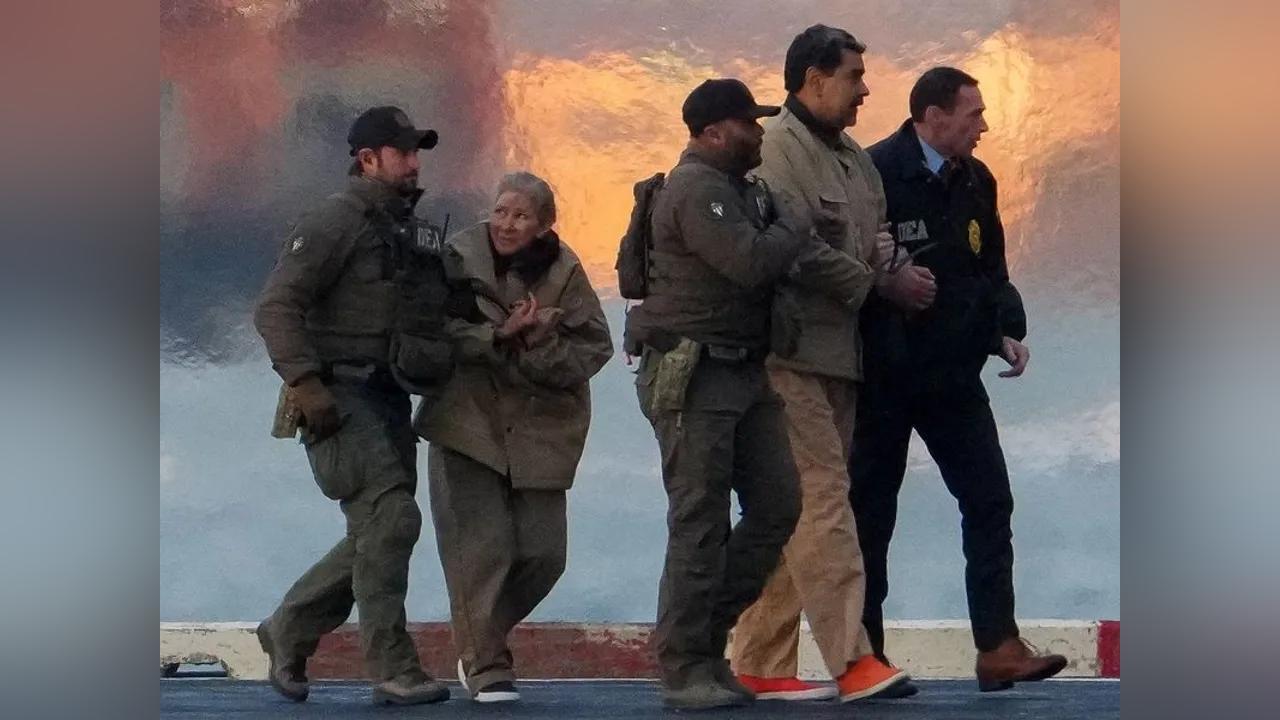
Africa-Press – Gambia. After the United States abducted Venezuela’s President Nicolas Maduro and pledged to mobilise American energy companies to exploit that country’s oil wealth, concerns are high over the measures Washington may take in disputes with African nations.
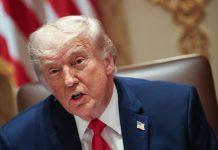
Experts warn that the US military action in Venezuela could set the stage for normalising attacks against leaders of other nations that have been on the receiving end of confrontations with President Donald Trump’s administration.
African nations and regional bodies in the continent have strongly reacted to the dramatic operation against the Venezuelan president – whose last public engagement with an African leader was a meeting with Burkina Faso’s Ibrahim Traore in Moscow during Russia’s Victory Day commemorations in May 2025.
Uganda’s President Yoweri Museveni described the US military action in Venezuela as a wake-up call for Africans to prioritise strategic security to defend the continent on land, sea, air and space. He warned African leaders against aiming to remain “big fish in small ponds”.
“Some people like that when you are a big fish in a small pond. You feel very big, but when trouble comes, you may not survive,” he told a media briefing when asked about the lessons Africa can learn from the developments in Venezuela. Trump has already targeted Nigeria with widely discredited allegations of a “Christian genocide” and designated it a “Country of Particular Concern”. Last month he authorised airstrikes against Daesh targets in northwest Nigeria, claiming the group has been targeting Christians.
The US has also imposed hefty tariffs on South Africa over claims of “white genocide” – referring to baseless allegations that there is a widespread campaign in South Africa to kill white farmers and take their land.
“States should condemn and call out what has happened (in Venezuela) as a flagrant breach of international law. And it is important that they do so to avoid setting a precedent and communicating a message to Trump, but also to other countries that such behavior is acceptable and will be tolerated by the world,” Yusra Suedi, a lecturer in International Law at University of Manchester, told TRT Afrika.
Experts point out that international law does not provide for a state to capture the leader of a sovereign state unless in self-defence or with approval of the United Nations Security Council.
“Venezuela did not attack the US, nor was it intending to attack the US. In fact, Maduro had claimed that he was open to have discussions with Trump about the drug trafficking. There was also no UN Security Council mandate, so it is clearly unlawful,” Suedi argued.“Here lies the importance of countries standing up against what Trump has done as an act of illegality under international law,” she adds.
The African Union voiced its “grave concern” at the US military action in Venezuela. It reaffirmed its steadfast commitment to the fundamental principles of international law, including respect for the sovereignty of States, their territorial integrity, and the right of peoples to self-determination, as enshrined in the Charter of the United Nations.
West Africa regional bloc, ECOWAS, called for the “respect the independence and territorial integrity” of Venezuela. It acknowledged “the right of states to fight international crimes” but called on all countries to respect international law.
The bloc expressed solidarity with the country’s population, “as they shape the future of their country through an inclusive process,” it said in a statement.
South Africa took a firm stance, accusing the US of a clear violation of the UN Charter.
“History has repeatedly demonstrated that military invasions against sovereign States yield only instability and deepen crisis. Unlawful, unilateral force of this nature undermines the stability of the international order and the principle of equality among nations,” a statement from its foreign ministry said.
Ghana expressed its “strong reservations against the unilateral use of force”, while Chad insisted on “the importance of preserving the peace, stability and territorial integrity of Venezuela”.
Was Trump’s action legal?
President Trump justified the abduction of the Venezuelan president over alleged links to drug trafficking and cooperation with drug cartels, although international law experts are not convinced.
“Under international law, a state cannot lawfully justify violating international law by citing its own domestic law. So even though certain US officials might still treat this act as legal under US law, that does not erase international responsibility and it does not legalise or excuse or legitimise what the Trump administration has done with respect to international law,” Suedi pointed out.
For More News And Analysis About Gambia Follow Africa-Press