Africa-Press – Gambia. The Department of Parks and Wildlife yesterday confirmed that it sanctioned the killing of a hippopotamus responsible for the death of a herdsman, Dawda Jallow in Niamina at the weekend.
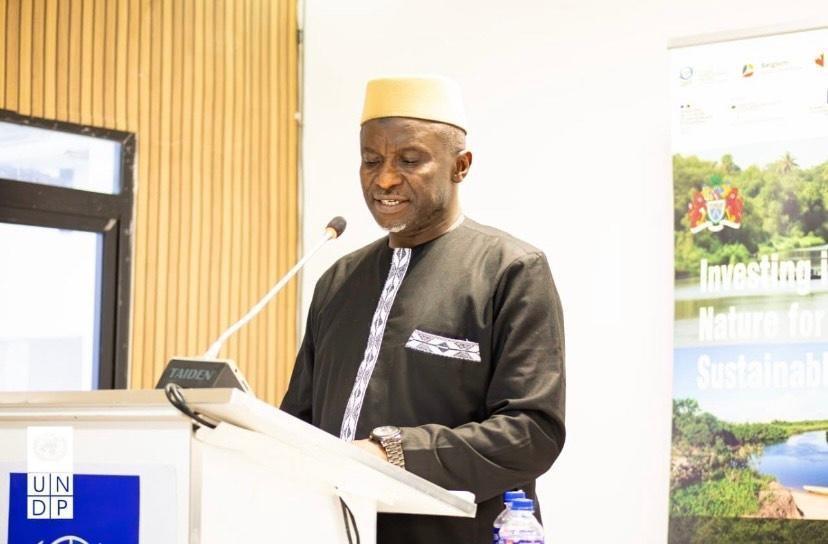
According to the director of Parks and Wildlife Momoodu Lamin Kassama, eliminating such animals is in line with standard wildlife management practices.
“When a wild animal kills a human being, it is necessary to destroy that specific animal to prevent repeated attacks,” Director Kassama stated.
He added that efforts had been made earlier in the year to track and eliminate the same hippo, which had reportedly been roaming the area and posing a threat to communities.
“We attempted to hunt the animal twice earlier this year but were unsuccessful. Unfortunately, this led to the tragic loss of a life,” he said.
Kassama described the incident as deeply unfortunate and extended condolences to the family of the deceased. He also assured that the department is working to support the bereaved family.
Human-wildlife conflict
The director emphasised that the incident highlights the growing challenge of human-wildlife conflict, particularly in communities located near riverbanks.
He explained that hippos, although aquatic animals must come ashore to feed, which often brings them into direct contact with human settlements and farmlands.
He further explained that crops such as rice attract hippos due to their scent, leading to frequent incursions into farmlands and heightening tensions between humans and wildlife.
Kassama stressed the importance of coexistence, noting that both humans and animals have a right to the land.
“We must learn to coexist with wildlife. If we do not leave space for them, conflicts will continue,” he said.
Preventive measures
The Department, he said, is implementing several measures to mitigate such incidents. These include chasing animals away from communities, collaborating with the Department of Agriculture to establish barriers, and conducting public sensitiation campaigns through community radio.
However, he acknowledged that these efforts are not always sufficient, as animals often find alternative routes when their movement is restricted.
He called on journalists and community leaders to play an active role in raising awareness about safe coexistence with wildlife.
For More News And Analysis About Gambia Follow Africa-Press