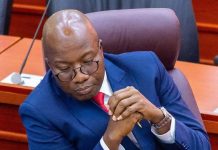

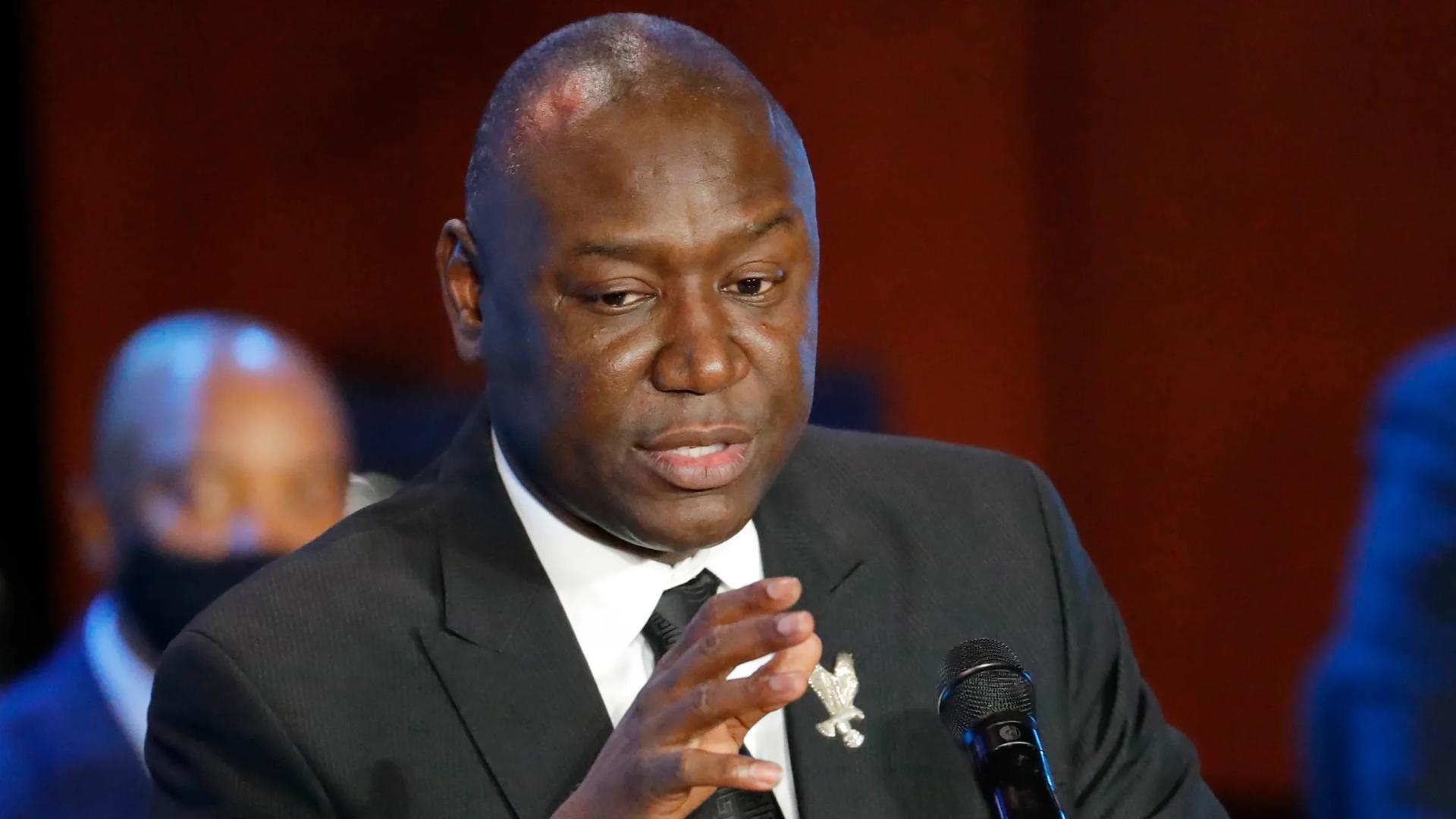
Africa-Press – Ghana. Mr Benjamin Crump, renowned U.S. civil rights attorney and social justice advocate, has praised President John Dramani Mahama for what he described as rare and courageous moral leadership.
He said Ghana had shown the world what principled leadership looks like in the global struggle for reparative justice.
Speaking at the opening of the Diaspora Summit 2025 in Accra, Mr Crump said President Mahama’s advocacy for reparations and historical justice had provided moral clarity at a time when many global leaders preferred silence or denial.
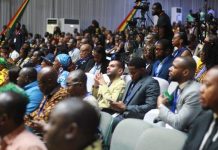
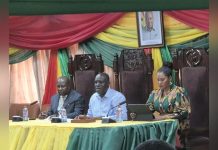
Ghana is hosting the Diaspora Summit 2025 at a time when conversations around reparative justice, Pan-African solidarity and structured diaspora engagement have gained renewed global momentum.
Under the theme, “Resetting Ghana: The Diaspora as the 17th Region”, the two-day Summit seeks to reposition the African diaspora as a central stakeholder in Ghana’s national development agenda while advancing Africa’s collective quest for justice and healing.
Mr Crump said Ghana’s leadership had helped elevate the call for reparations from the margins to the centre of international discourse.
“You have shown the world what moral leadership looks like,” Mr Crump told President Mahama, referencing the President’s recent address at the United Nations General Assembly, where Ghana announced its intention to move a motion to recognise the transatlantic slave trade as the greatest crime against humanity.
Mr Crump, who has represented the families of victims of racial injustice in high-profile cases in the United States, said standing in Ghana was deeply personal.
He described himself not as a guest, but as family, carrying history “in his bones” as a descendant of Africans who survived the transatlantic slave trade.
He recounted visiting Cape Coast Castle a day earlier with a delegation of American lawyers, walking the same paths his ancestors were forced to walk, touching the dungeon walls where humanity was stripped away, and standing at the “Door of No Return”.
Unlike his ancestors, he said, he had the privilege of walking back through the Door of Return and being welcomed home.
“That was not symbolism. That was truth,” Mr Crump said, stressing that Africans in the diaspora never lost Africa, but were taken from it, while Africa never left them.
He said reparations were neither charity nor symbolic gestures, but a moral and legal obligation for centuries of stolen labour, stolen land, stolen resources, stolen lives and stolen futures. Healing, he added, could not be achieved without truth, and reconciliation without repair was incomplete.
Mr Crump said the Diaspora Summit marked a turning point where Africa and its diaspora were no longer waiting for justice, but organising collectively to claim it.
He pledged to commit his voice and work to advancing reparative justice for Africans and people of African descent globally.
President John Dramani Mahama, in his address, said Mr Crump’s remarks reflected the broader purpose of the Summit, which was to reclaim Africa’s narrative and restore dignity to African peoples.
He said the story of Ghana, and Africa more broadly, had too often been told by others, omitting the voices and experiences of those who suffered the greatest injustices.
The President said Ghana’s forts and castles stood as painful reminders of a shared history between Africa and its diaspora, noting that millions of Africans passed through Ghana’s shores on their way into enslavement.
He described the Atlantic Ocean as a graveyard of African ancestors and said Africa did not have the luxury of forgetting that history.
President Mahama said the divisions that continued to weaken Africans, whether imposed through colonial borders, ethnicity, class or stereotypes, were deliberately engineered to sustain domination.
He urged Africans and people of African descent to be more intentional about unity than their oppressors had been about division.
On reparative justice, the President said the issue went beyond financial compensation to include formal acknowledgement of wrongdoing, institutional reform, debt cancellation, the return of stolen cultural artefacts and transformative investment.
He also highlighted the intergenerational trauma caused by slavery and colonialism, stressing the need for healing and reconciliation.
Mr Faure Gnassingbé, President of the Council of Ministers of the Togolese Republic, said described the summit as forward-looking and transformative.
He said the reparations movement was not about reliving the past, but about correcting structural injustices that continued to shape the global system to Africa’s disadvantage.
President Gnassingbé said slavery and colonisation structured global productivity gaps, trade asymmetries and technological divides that persisted.
Reparations, he said, were therefore essential to Africa’s development and global stability, and not merely a moral appeal.
He described the diaspora as a strategic lever for African sovereignty, saying Africa’s future was shaped as much in cities across the Americas and Europe as it was on the continent itself.
The Togolese leader called for joint Africa-diaspora mechanisms to mobilise resources, knowledge and influence in pursuit of justice and development.
Dr Mohamed Ibn Chambas, African Union High Representative for “Silencing the Guns,” said the African Union had moved decisively to institutionalise reparative justice, embedding it within continental legal and development frameworks.
He said the Accra Summit aligned with the AU’s broader agenda, including strengthened Africa-Caribbean cooperation and institutionalised diaspora engagement, adding that reparations must be transformative and intergenerational, particularly for Africa’s youth.
For More News And Analysis About Ghana Follow Africa-Press