
Africa-Press – Ghana. The United States Africa Command (AFRICOM) has expressed concern over the growing threat by extremist groups linked to ISIS and al-Qaeda in West Africa.
The Command warned that insecurity in the Sahel was increasingly spilling southwards into coastal states and the Gulf of Guinea, with serious implications for regional stability.
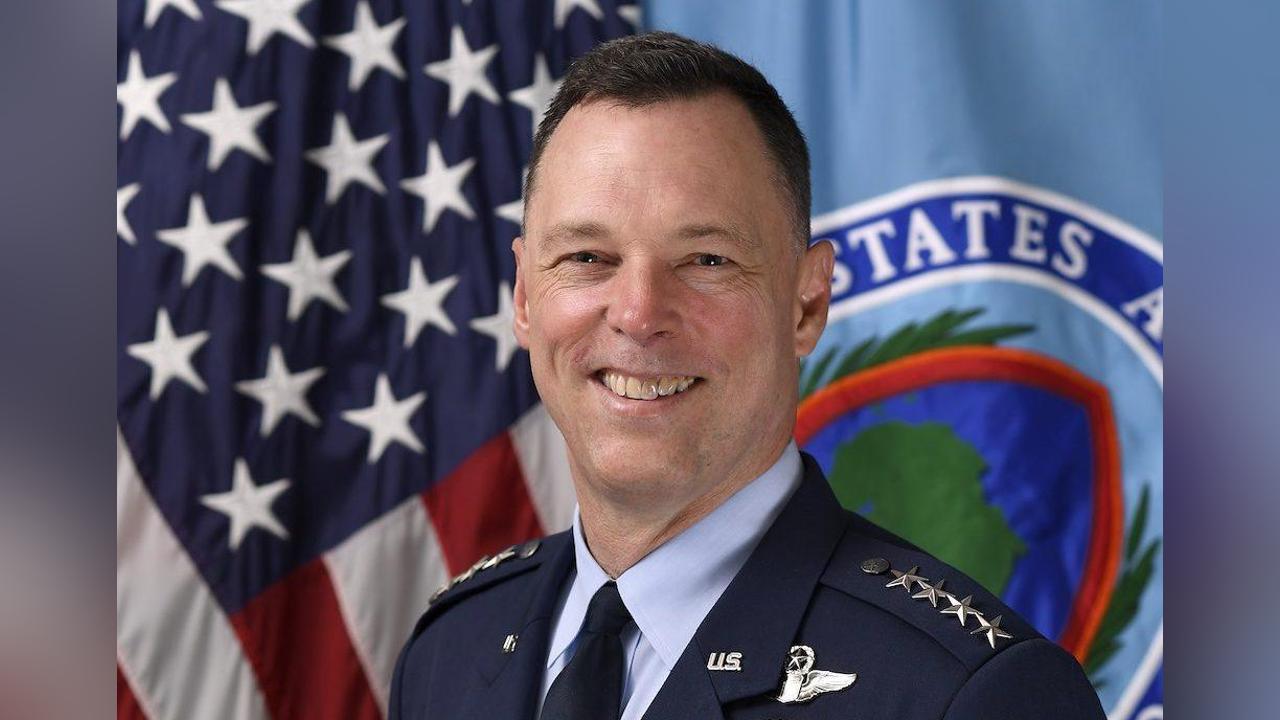
Speaking during a digital press briefing with journalists from across Africa and beyond, the Commander of U.S. Africa Command, General Dagvin R.M. Anderson, said violent extremist organisations were applying sustained pressure across the Sahel and expanding their reach, threatening capitals, border communities and key economic corridors in the subregion.
As he concludes his first six months as Commander, Gen. Anderson, has focused on deepening engagement with African partners, travelling to more than 11 countries to assess security conditions first-hand and gather regional perspectives on the expanding terrorist threat in West Africa.
The engagements have informed a renewed emphasis on intelligence sharing, partner-led operations and closer alignment of security cooperation with efforts to strengthen stability and economic resilience in vulnerable areas.
Gen. Anderson noted that groups affiliated with ISIS and al-Qaeda, including Jama’at Nasr al-Islam wal Muslimin (JNIM), continued to exploit porous borders, weak governance structures and ungoverned spaces to regroup, recruit and conduct attacks.
He said the evolving threat landscape required urgent and coordinated responses from regional governments and international partners.
According to him, instability in one part of West Africa did not remain isolated, as terrorist networks, arms trafficking and criminal activity easily crossed borders, undermining security in neighbouring states.
He said the pressure being exerted in the Sahel was increasingly affecting coastal countries along the Gulf of Guinea, raising concerns about the safety of maritime routes, trade flows and civilian populations.
Gen. Anderson stressed that AFRICOM’s approach to counterterrorism in West Africa was centred on partnership, rather than unilateral action.
He explained that the command worked with “willing and capable” African partners, providing specialised support and capabilities designed to complement national efforts and strengthen local ownership of security operations.
He cited Nigeria as a key example of deepening cooperation in the fight against terrorism.
According to Gen. Anderson, engagement with Nigerian authorities had intensified following high-level discussions on the growing extremist threat in West Africa, leading to closer collaboration, including intelligence fusion and the deployment of limited U.S. capabilities to support Nigerian-led operations.
The AFRICOM Commander said the objective of such cooperation was to enable partner nations to degrade terrorist networks more effectively, protect civilian populations and prevent extremist groups from gaining further territorial control.
He emphasised that success depended on trust, information sharing and a shared understanding of the threat.
Beyond land-based operations, Gen. Anderson said AFRICOM was paying increased attention to maritime security in West Africa, particularly in the Gulf of Guinea.
He noted that terrorist groups and criminal networks were exploiting maritime routes for smuggling weapons, financing operations and supporting insurgent activities inland.
Improving maritime domain awareness, he said, was critical to helping West African states secure their coastlines, protect fisheries and disrupt illicit trafficking networks that fuel insecurity.
He added that enhanced maritime cooperation could also support broader economic objectives by safeguarding trade and investment routes.
Gen. Anderson also highlighted the role of multinational military exercises as a key pillar of AFRICOM’s counterterrorism strategy in West Africa.
Exercises such as African Lion and Flintlock, he said, brought together dozens of African and international partners to improve interoperability, share best practices and rehearse coordinated responses to transnational threats.
He explained that these exercises were designed not only to build military capacity but also to foster cooperation among neighbouring countries facing common security challenges.
According to him, the complexity of multinational operations meant regular joint training was essential to ensuring effective collaboration during real-world crises.
Addressing concerns about long-term stability, Gen. Anderson said security and development were closely linked, warning that persistent insecurity discouraged investment, disrupted livelihoods and created conditions that extremist groups exploited.
He said AFRICOM was increasingly engaging with other U.S. government agencies to align security cooperation with economic and development initiatives.
The AFRICOM Commander said the command was working to integrate military, diplomatic and economic tools to support African partners in building resilient societies capable of withstanding extremist influence.
He noted that sustained security improvements could help create the stability needed for investment and economic growth, benefiting both African countries and their partners.
Gen. Anderson reiterated that AFRICOM remained committed to supporting West African nations as they confront the evolving terrorist threat, stressing that durable solutions required regional cooperation and African leadership.
While acknowledging the scale of the challenge, he expressed confidence that coordinated action and sustained partnerships could prevent further spread of insecurity and help restore stability across the sub-region.
For More News And Analysis About Ghana Follow Africa-Press