
Africa-Press – Ghana. Mr Anthony Sarpong, Commissioner‐General of the Ghana Revenue Authority (GRA), has underscored the importance of prioritising human resource development and welfare in building a world‐class revenue institution.
Speaking at the opening of the 12th National Executive Council Meeting of the Ghana Revenue Authority Workers Union (GRAWU) in Accra on Monday, he said strong collaboration between management and the Union had fostered “a spirit of consultation and partnership in addressing concerns within the Authority.”
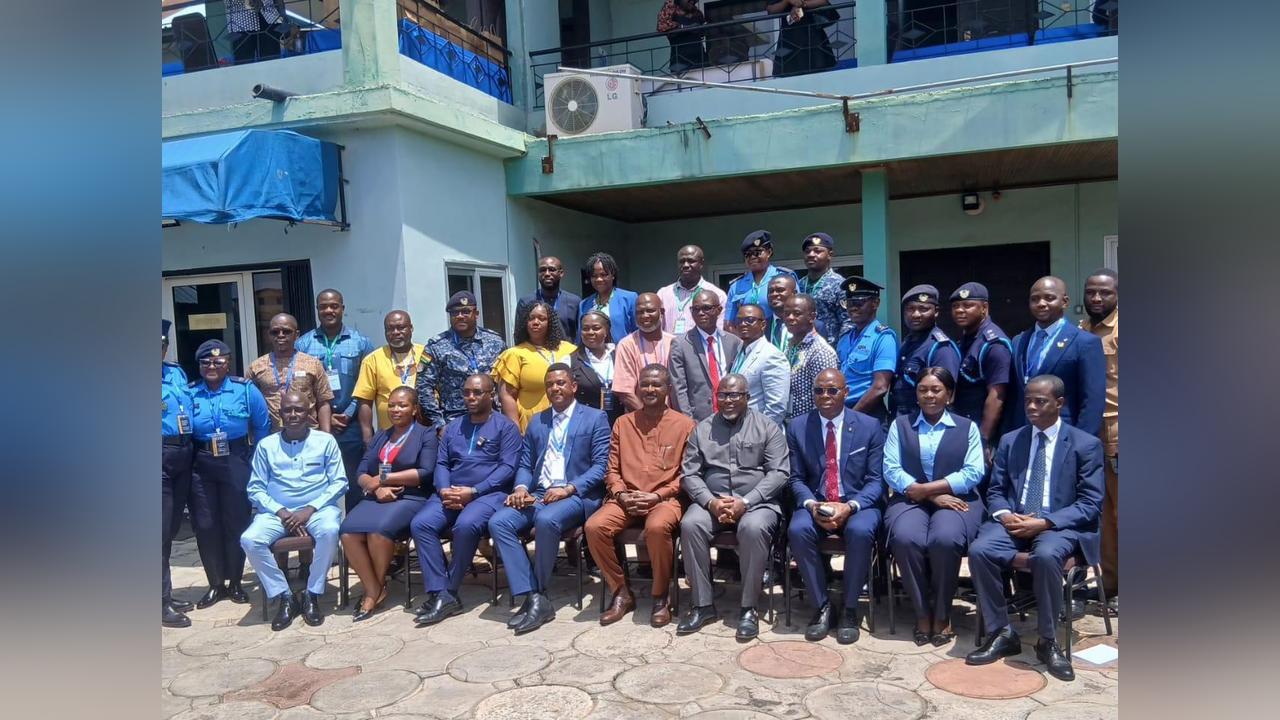
The meeting, held under the theme “Transforming for Impact and Growth – The Role of Labour in Strengthening Work Ethics of GRA”, also saw the launch of GRAWU’s four‐year Strategy Plan (2025‐2029).
The plan aims to build a resilient Union, enhance operational efficiency, strengthen member capacity, and improve its financial resource base.
Mr. Sarpong stressed that the quality and welfare of staff remained central to achieving the vision of a modern, efficient and people‐centred GRA.
He noted that institutional success depended more on human capital than infrastructure, adding that the Authority’s transformation agenda placed “people and culture” as its top priority.
Mr. Sarpong emphasised the importance of discipline, professionalism, and adherence to the code of conduct in driving productivity and revenue mobilisation.
He urged leadership at all levels to promote strong work ethics, ensure compliance with administrative rules, and inspire staff to work collectively towards organisational goals.
Mr Sarpong acknowledged management’s responsibility to support staff through continuous training, improved working conditions, and enhanced welfare programmes.
He said significant investments were being made in capacity building, including structured training and leadership development programmes to equip staff with the necessary skills for effective performance.
Mr. Sarpong disclosed plans to improve infrastructure and logistics by dedicating part of the Authority’s budget to office accommodation, equipment and modern tools, rather than relying solely on government funding.
On staff welfare, he said the Authority had initiatives to expand health support systems, address mental health concerns, and introduce a retired staff health scheme.
Mr Sarpong urged staff to remain committed to their mandate, adding that the Authority had set an ambitious revenue target exceeding GH¢230 billion.
“The responsibility of mobilising revenue for national development is critical,” he said, calling on staff to build on the legacy of past generations and contribute meaningfully to Ghana’s economic growth.