
Africa-Press – Ghana. The governments of Kenya, Uganda, and Tanzania have presented their budgets for the fiscal year 2026-2027 amid increasing economic pressures resulting from the repercussions of the war on Iran and rising costs of energy, transportation, and fertilizers. At this time, the countries in the region are striving to balance supporting economic growth while controlling public debt levels.
The economies of East Africa are among the most affected by disruptions in global energy markets due to their heavy reliance on fuel and fertilizer imports. The rise in prices has led international institutions to lower their economic growth forecasts for the region this year.
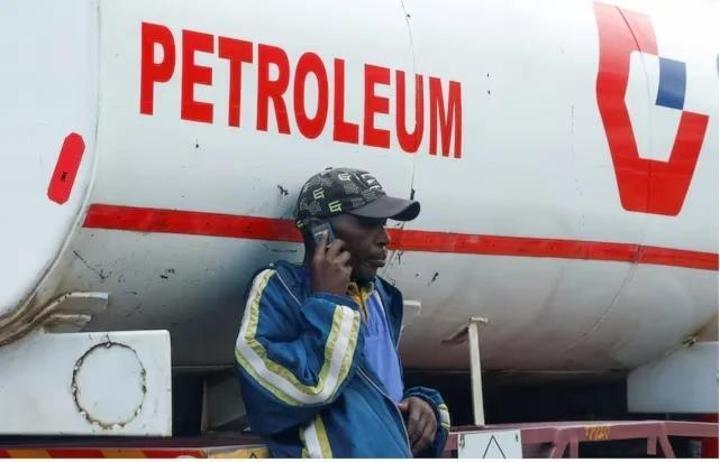
In Kenya, the government has warned that ongoing geopolitical disruptions could hinder efforts to reduce the fiscal deficit, while Nairobi aims to continue its fiscal austerity policy after years of accumulating debt. Kenya has requested emergency support from a local source to address the economic shocks resulting from the war on Iran and rising oil prices.
In Uganda, the government expects to achieve strong economic growth in the coming years as commercial oil production approaches, which it is betting on as a primary source of revenue to improve public finances. Meanwhile, Tanzania’s new budget focuses on increasing developmental and investment spending while maintaining financial stability, as the government attempts to boost economic growth and improve infrastructure.
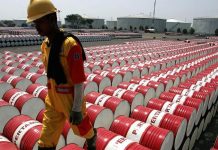
The new budgets reflect growing concerns over the continued rise in global energy prices, as Brent crude has increased by about 31% since the outbreak of the war on Iran, leading to higher import costs and inflationary pressures in many African fuel-importing countries.
Analysts believe that the ability of East African governments to maintain financial stability over the next year will depend on developments in global oil prices and their success in enhancing local revenues and reducing reliance on borrowing, at a time when the region faces simultaneous challenges including rising debt service and slowing global growth.