
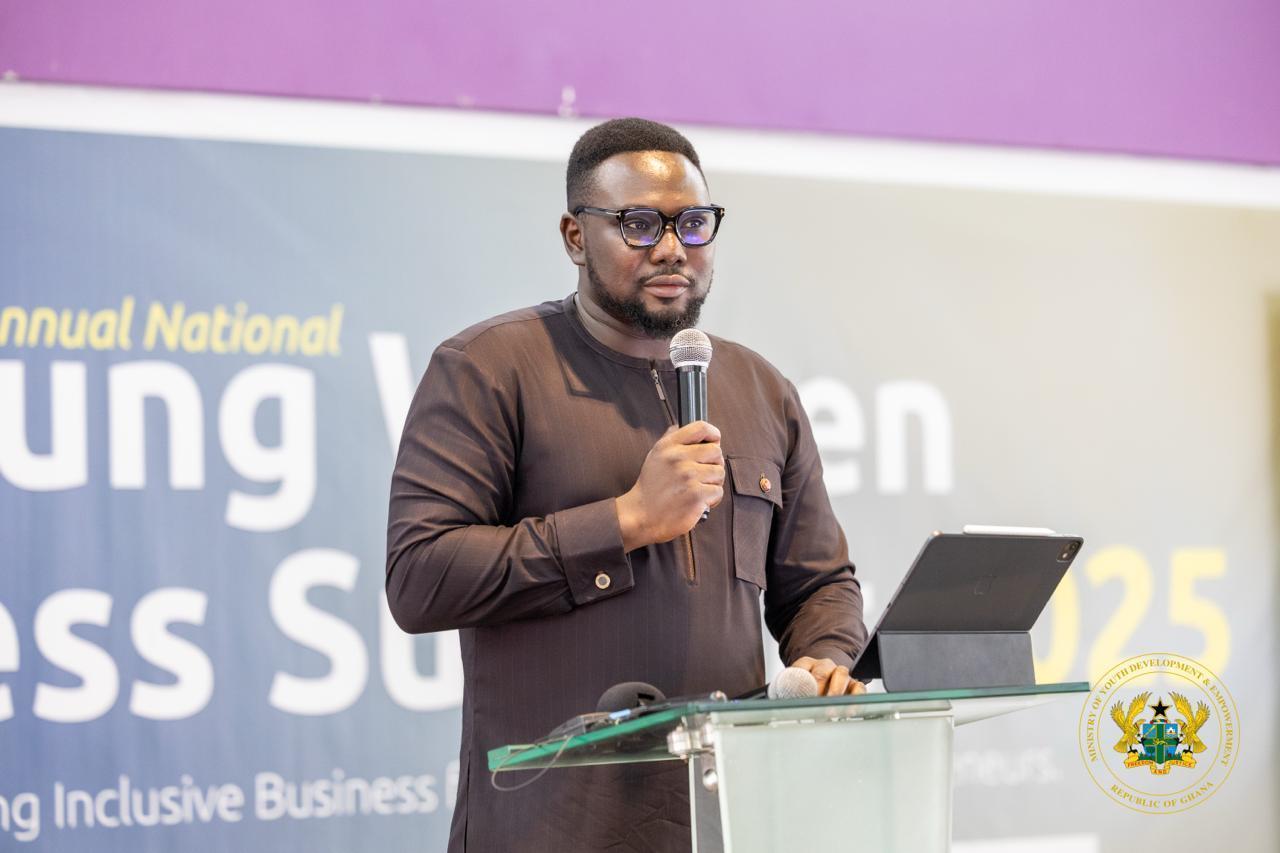
Africa-Press – Ghana. Mr Sherif Ghali, President of Ghana Youth Federation has stated that the country has demonstrated commendable resilience in navigating recent global and domestic economic pressures.
He said current economic indicators showed a trajectory toward stabilization.
In an open letter to the President and copied to the Ghana News Agency in Accra he said Inflation had returned to single digits, monetary policy was gradually easing, and the cedi had regained some strength against major trading currencies.
“These outcomes reflect difficult but necessary fiscal and economic decisions taken to secure recovery and restore investor and citizen confidence. Yet, beneath these gains lies a critical national paradox. While macroeconomic conditions are stabilizing, youth unemployment remains stubbornly high, showing little downward movement”.
Mr Ghali said in a country, where young people constituted more than half of the population, this challenge was not merely social, but represented a macro‐critical economic risk.
“A large, educated, and energetic youth population that remains economically idle threatens the sustainability of the very progress we are striving to protect. It also poses a potential security concern, as prolonged youth exclusion has historically contributed to instability in many developing economies”.
He said investing in youth empowerment must therefore be treated with the same urgency as investments in health, education, and infrastructure.
“Youth inclusion is not expenditure; it is a strategic investment in national stability and economic expansion. Every cedi directed toward youth development yields returns in productivity, innovation, and national competitiveness”.
To ensure Ghana’s recovery becomes inclusive and sustainable, he proposed the restoration of Fiscal Allocations to Youth Agencies, statutory allocations from the District Assemblies Common Fund to the National Youth Authority and the Youth Employment Agency have reduced over recent cycles, limiting their ability to operate effectively at the district level.
He said restoring these allocations would enable the agencies to deliver employment and enterprise programmes where youth unemployment pressures were most acute.
“Additionally, ring‐fencing a minimum percentage of these allocations for youth skills development would ensure more predictable and targeted impact”.
He said Youth development programmes often stalled due to delays in fund disbursement and establishing predictable and timely release mechanisms would allow programmes to scale beyond pilot stages and deliver measurable national impact.
“A dedicated digital tracking system for programme funding could further enhance transparency and efficiency”.
On outcome-based accountability frameworks, he said Funding must be tied to measurable outcomes.
“Where programmes fail to deliver impact, corrective administrative action should follow. Transparent performance monitoring will ensure public resources generate real opportunities for young citizens. Introducing annual youth employment scorecards, jointly published by government and civil society, would strengthen accountability and public trust”.
On strengthened partnership with Youth Stakeholders, he said
The Ghana Youth Federation and allied youth institutions were ready to collaborate with government to ensure programmes reach communities effectively, support monitoring, and mobilize youth participation toward national development goals.
“Formalizing this collaboration through a Presidential Youth Advisory Platform would create a structured and continuous engagement mechanism between government and young citizens.
“Your Excellency, this appeal is offered not as criticism, but as a civic contribution to safeguard Ghana’s recovery. The true measure of our economic progress will be seen in whether young Ghanaians can find dignity, opportunity, and purpose within it. No nation can truly rise when its youth are left behind.
“The durability of Ghana’s recovery will ultimately depend on empowering the generation that must sustain it.
“I remain committed, alongside millions of young Ghanaians, to constructive partnership in building a prosperous and inclusive Ghana.”