

Africa-Press – Ghana. The Ghanaian capital, Accra, will host a three-day international summit starting June 17 to discuss compensation related to slavery and colonialism, featuring experts, ministers, and heads of state. This initiative aims to shift from symbolic demands to establishing practical mechanisms to address the historical impacts of this era.
The summit follows a significant development with the United Nations adopting a resolution recognizing slavery as one of the gravest crimes against humanity. Advocates for compensation view this as a diplomatic achievement that strengthens their claims on the international stage.
The first day of the summit included technical sessions focused on formulating common concepts regarding the nature and potential forms of compensation. Heads of state are scheduled to participate in discussions over the next two days.
Participants emphasize that the issue of compensation extends beyond financial aspects, encompassing the ongoing effects of slavery and colonialism, such as economic disparities, structural racism, and developmental gaps between Africa and its diaspora worldwide.
Samuel Okere, a researcher and lecturer at the University of Bristol, stated that compensation should go beyond direct financial restitution. He noted that addressing the historical legacy of slavery requires multifaceted actions, including official acknowledgment of harms, issuing apologies, restoring looted artworks, and enhancing educational programs and developmental investments.
Ghanaian President John Dramani Mahama, a strong supporter of the African Union’s stance on compensation, believes the issue is also about restoring Africa’s position in the international system. He emphasized the need for fairer representation of the continent in international institutions, including the United Nations Security Council.
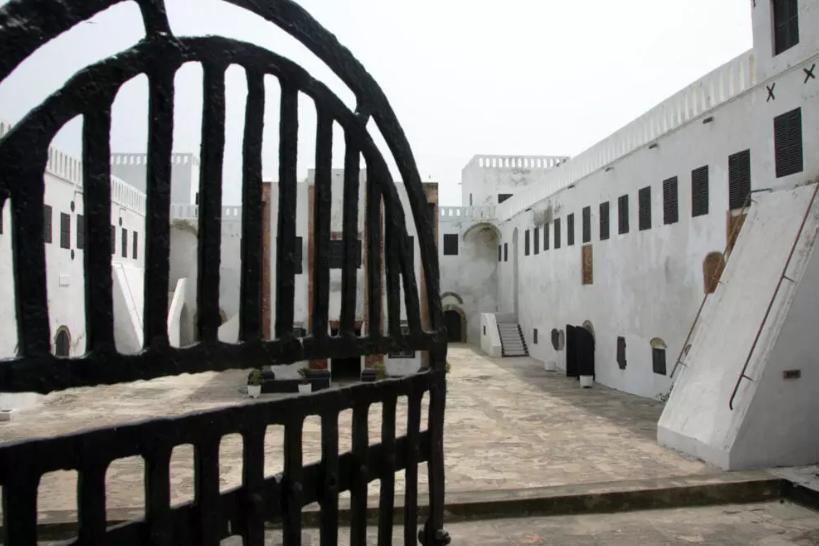
Ghana holds a unique position in this matter due to its historical ties to the transatlantic slave trade, featuring significant historical sites such as Cape Coast and Elmina castles, from which many enslaved Africans were shipped to the Americas during centuries of the slave trade.
Okere affirmed that the Ghanaian coast still retains physical and documentary evidence reflecting the suffering of millions who were enslaved, considering these sites an essential part of the collective memory associated with this period.
The Ghanaian Foreign Minister Samuel Okudzeto Ablakwa described his country as a “crime scene” given its role in the deportation of enslaved Africans to the New World, asserting that Ghana today seeks to transform from a symbol of historical tragedy to a space for dialogue, healing, and justice.
Ghana’s symbolic significance for the African diaspora is also highlighted, as many of African descent worldwide view it as a homeland for memory and historical roots, enhancing its status in international discussions on historical justice.
Observers believe that the Accra summit represents a pivotal moment in the quest for compensation, especially after years of efforts led by the African Union and Caribbean Community (CARICOM) to keep the issue on the international agenda.
Participants assert that the main challenge lies in translating the summit’s outcomes into a clear action plan with specific goals and mechanisms for measuring progress, ensuring sustained international momentum and preventing the initiative from being merely a fleeting meeting or temporary political declaration.