

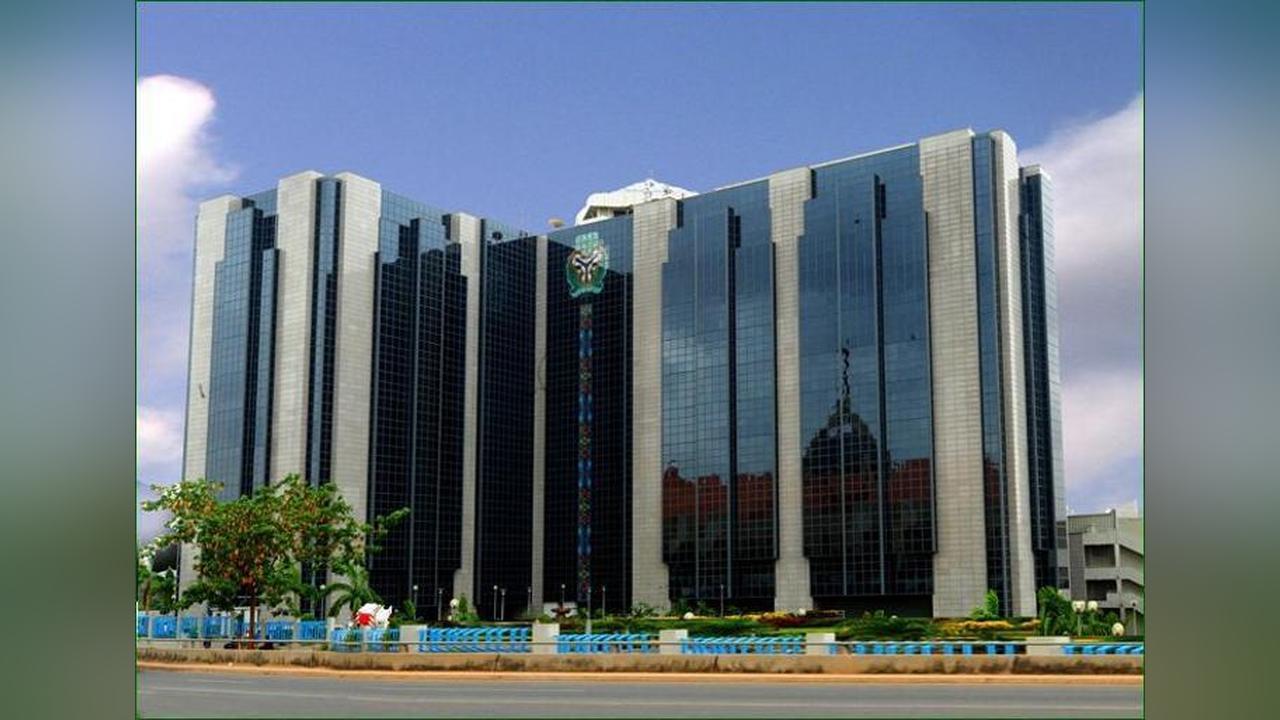
Africa-Press – Ghana. Nigeria’s new Central Bank fintech framework is redefining the conversation on West Africa’s financial integration, positioning Ghana at the centre of a fast-evolving regional payments and digital finance architecture.
The fintech blueprint signals a turning point for ECOWAS financial integration, with Ghana emerging as a key driver of AfCFTA-linked payment reforms.
With the African Continental Free Trade Area (AfCFTA) Secretariat headquartered in Accra, Ghana occupies a strategic role in Africa’s integration experiment, particularly in shaping the systems that will enable seamless trade and investment flows.
Nigeria has now stepped forward with the most comprehensive attempt yet to reshape West Africa’s fintech future, recognising that efficient, interoperable payments infrastructure remains fundamental to regional trade expansion.
The Central Bank of Nigeria’s newly released Policy Insight Series 2025: Shaping the Future of Fintech in Nigeria – Innovation, Inclusion and Integrity outlines an ambitious reform agenda whose implications extend far beyond Nigeria’s borders.
The framework presents a decisive test of whether West Africa’s long-discussed cross-border financial integration can finally move from concept to reality.
For Ghanaian fintech firms and financial institutions, the blueprint opens immediate opportunities to scale regionally, shape regulatory frameworks, and significantly reduce the friction that has long constrained cross-border market entry.
For years, West Africa’s fintech ecosystem has advanced through fragmented national momentum rather than coordinated regional design.
Nigeria scaled transaction volumes, Ghana refined regulatory clarity, and Côte d’Ivoire deepened mobile money penetration.
However, no single country had previously attempted to translate this collective progress into a coherent regional architecture.
Although the Nigerian framework is being interpreted primarily within domestic policy circles, many of its proposals explicitly anticipate regional application.
The policy proposes structural reforms, cross-border mechanisms, and regulatory innovations designed not only to optimise Nigeria’s fintech sector but also to enable fintech firms across ECOWAS to operate more efficiently and seamlessly.
Five policy areas stand out as particularly consequential for Ghana.
Regulatory passporting Nigeria proposes bilateral pilot arrangements with Ghana, Kenya, Senegal and South Africa that would allow fintech firms licensed in one jurisdiction to operate in another without undergoing a full relicensing process.
For Ghanaian fintechs, this could sharply lower market entry costs, accelerate access to Nigeria’s vast consumer base, and strengthen cross-border partnerships, while deepening competition and innovation across the region.
Single regulatory window The Central Bank of Nigeria is establishing a unified regulatory portal and structured engagement forum to harmonise compliance standards.
If mirrored in Ghana, this approach could significantly simplify cross-border expansion, align supervisory processes, and reduce regulatory uncertainty for firms operating regionally.
Innovation infrastructure to reduce bottlenecks With 87.5 per cent of Nigerian fintech firms citing compliance costs as a barrier to innovation, and more than one-third requiring over a year to launch new products, the proposed reforms directly confront delays that are common across ECOWAS markets.
Ghanaian firms face similar bottlenecks and stand to benefit from solutions tested under the Nigerian framework.
Responsible artificial intelligence in finance Nigeria’s new AI governance model introduces structured rules governing fraud detection, customer engagement and operational decision-making.
As fintech adoption of artificial intelligence accelerates across West Africa, the framework provides Ghanaian institutions with a practical template for ethical, secure and effective AI deployment in financial services.
Capital markets and credit access The proposed Fintech Credit Guarantee Window and a secondary fintech debt market aim to unlock long-term capital and deepen regional investment flows.
For Ghanaian fintech firms and banks, this could expand funding channels, lower financing costs, and strengthen access to sustainable growth capital.
These challenges are inherently regional, and Nigeria’s blueprint offers Ghana the opportunity to co-design solutions rather than merely adapt to externally driven systems.
Trade integration cannot succeed if payments remain fragmented. Cross-border transactions fail, credit cannot flow efficiently, and data standards fracture across jurisdictions, undermining the promise of AfCFTA.
Nigeria’s framework represents the first coherent attempt to close these systemic gaps, spanning licensing structures, digital identity interoperability, and capital market innovation.
For Ghanaian policymakers, fintech entrepreneurs and investors, the strategic implications are becoming increasingly clear: active participation is no longer optional.
Engagement promises accelerated access to Nigerian markets, reduced regulatory friction, and a meaningful role in shaping ECOWAS-wide financial standards.
In contrast, passivity risks marginalisation in a region rapidly converging around financial integration.
Nigeria has raised the bar for West Africa’s fintech development. Ghana now faces a strategic choice – to collaborate in shaping this integration, capitalise on regional scale, and ensure that AfCFTA evolves from policy ambition into functional, real-time payments infrastructure.
The next 18 months will be decisive. As regulatory forums take shape, the Single Window becomes operational, and passporting pilots commence, Ghana’s fintech ecosystem will either lead the process or be compelled to follow in building a truly integrated West African financial marketplace.
Source: Ghana News Agency