
Africa-Press – Ghana. The Grasscutter Initiative for Rural Transformation (GIfT), a Non-governmental Organisation (NGO), says it is seeking partnership to expand its grasscutter production support to the growing number of interested farmers across the Upper West Region.
The NGO has 32 active grasscutter farmers in five districts in the region, keeping over 700 grasscutters, with beneficiaries keeping at least five grasscutters each.
This could be improved with increased monitoring, technical support, and training for the farmers.
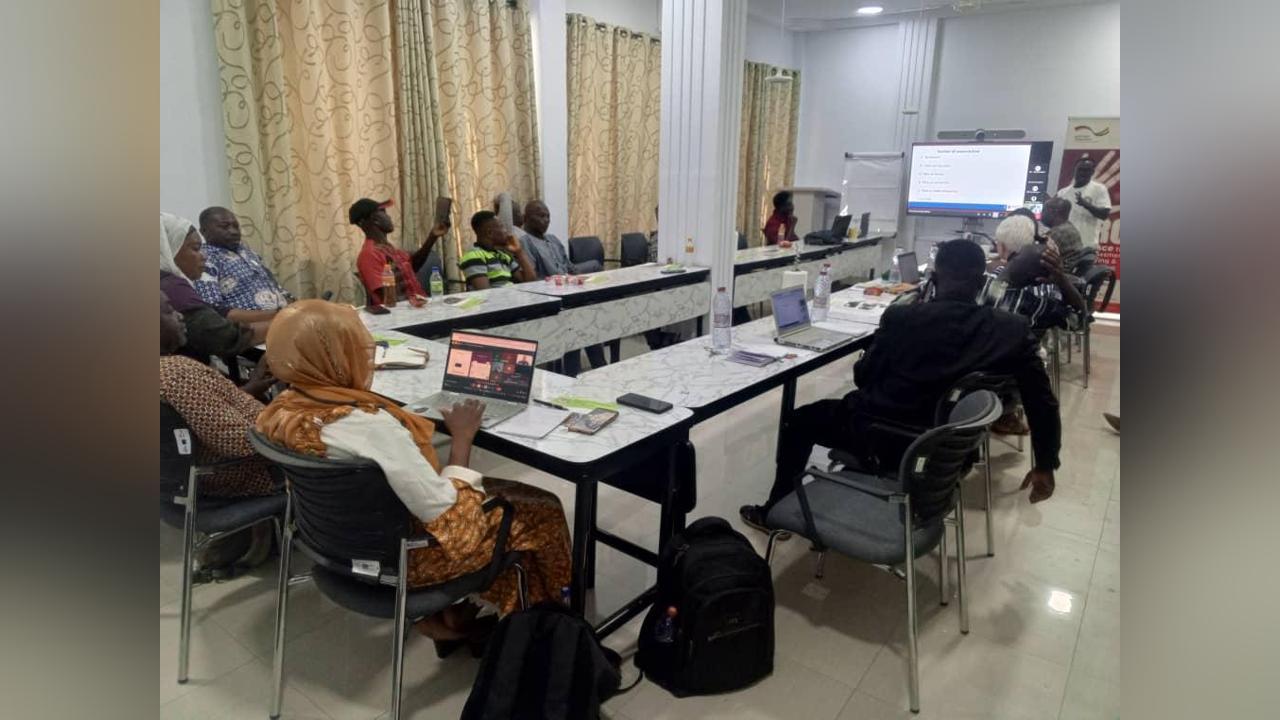
Professor Miho Murayama, Director of GIfT, said this in Wa during a workshop for grasscutter farmers and stakeholders organised by the organisation.
The workshop, on the theme: “Empowering the Grasscutter Value Chain: Partnering for Nutrition, Processing, and Sustainable Livelihoods,” was to provide a platform for farmers to share experiences and address challenges they faced in grasscutter keeping.
It was also to expose the farmers to acceptable grasscutter farming practices, including good hygiene and feeding, and present the current status of grasscutter farming in the region.
Prof. Murayama, a Professor at Kyoto University, Japan, noted that though many people had expressed interest in grasscutter farming, financial constraints posed a challenge to enrolling all interested individuals.
“Many farmers are interested in keeping grasscutters, but because of limited funding, it’s difficult to invite and support many farmers,” she explained.
Prof. Murayama added that additional funding would also enable GIfT to continue to provide technical support to the grasscutter farmers to ensure proper management of the animals.
Professor Murayama appealed to development partners, private organisations, and benevolent individuals to support the initiative.
Dr. Christopher Adenyo, a Senior Research Fellow at the University of Ghana, underscored the importance of balanced feeding, proper reproductive management, and strict hygiene practices in boosting the productivity and health of grasscutters.
He emphasised that while grasscutters naturally fed on grasses in the wild, domesticated animals required a more varied diet to obtain the full range of nutrients necessary for healthy growth.
Dr. Adenyo mentioned reproductive management as critical in grasscutter farming, noting that proper weaning practices could significantly increase breeding efficiency.
Dr. Titus Dery, the Upper West Regional Manager of GIfT, observed that poor feed composition and nutrition, poor sanitation and housing were some major challenges in grasscutter keeping.
He indicated that GIfT had secured certification from the Food and Drugs Authority (FDA) for commercial production of canned grasscutter meat for the Ghanaian markets.
Dr. Dery, however, said they needed funding to establish a processing facility, sustain the grasscutter Research and Development and their production.
Mr Huudu Abu, the Upper West Regional Director of Agriculture, observed that the grasscutter value chain had the potential to improve nutrition, increase income opportunities for farmers, contribute to food security, youth employment, and smallholder resilience.
Other presentations at the workshop focused on “How to grow your grasscutter and chickens: Natural mites trap successes in Wa, Ghana;” “Breading for tameness: Understanding the genetic basis;” “Role of microbiotas in domestication of animals;” and “Grasscutter rearing titbits: Lessons from successful farmers.”
The GIfT started as the “Grasscutter Keeping Project in Ghana” in 2014 with funding from Japan International Cooperation Agency (JICA) to improve nutrition through education and research, and livelihoods of the people through grasscutter farming.
The Kyoto University and University of Ghana partnership project later transformed into GIfT in 2018, with support from Ajinamoto AIN programme and Innovate UK, to sustain the project gains through regular training of the farmers.
For More News And Analysis About Ghana Follow Africa-Press