
Africa-Press – Ghana. The first in a series of training workshops aimed at building the capacity of journalists, media practitioners and bloggers in digital content creation and mini-video blogging on free movement of persons and migration in West Africa has endedin , Takoradi, Western Region.
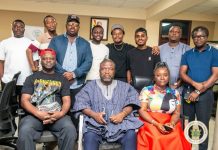
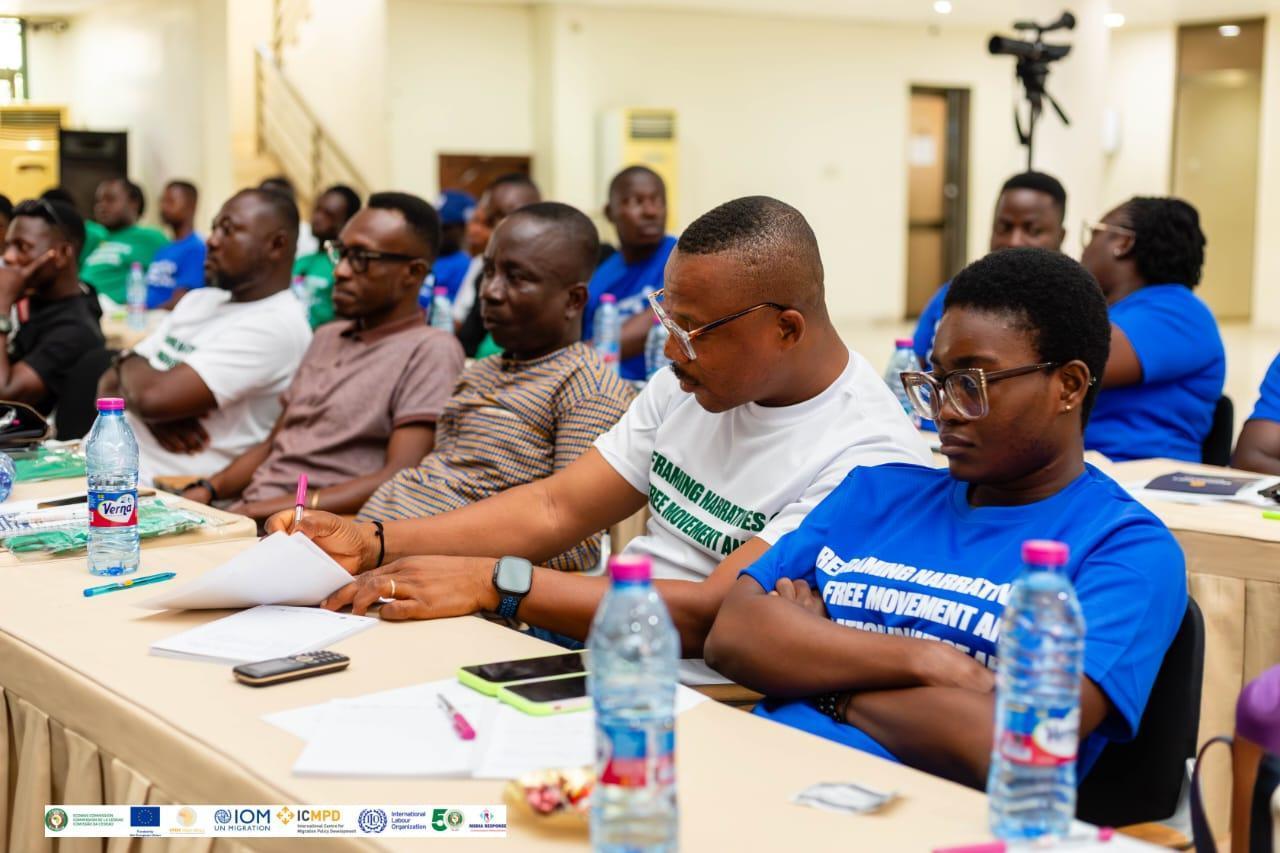
The workshop, which was held on the theme: “Reframing Narratives on Free Movement and Migration in West Africa,” brought together up to one hundred participants drawn from the print, electronic and social media from across the Western and Western North Regions.
A statement issued by Deborah Enam, Communication Officer of Media Response and copied to the Ghana News Agency in Accra said it aims to strengthen accurate, balanced, and development-oriented reporting on migration and free movement of persons within the ECOWAS region.
During the opening session, Mr. Desmond Cudjoe, Western Regional Chairman of the Ghana Journalists Association (GJA) gave the welcome address, and stated that across West Africa, migration stories were often framed around fear, irregularity, or crisis, and noted the prevalence of the harmful narratives, including those involving trafficking in persons, especially women.
He admonished participants to move beyond stereotypes and produce stories that highlight evidence, context, and the human experiences behind migration.
Mr. Samuel Dodoo, Project Manager and Executive Director of Media Response gave the project brief and mentioned that, the project would take place in the Western, Volta and Upper East regions and involved training workshops on digital content creation and mini-video blogging to be held in three regions, mini-video blogging competition on free movement and migration which would be opened to journalists, bloggers and the public from April to June and community radio panel discussions on free movement and migration which would take place in Elubo, Aflao and Paga.
During the technical session, participants were taken through Free Movement & Migration Trends in West Africa, Ethical Journalism and Migration Reporting.
They were then taken through practical sessions on how to use mobile journalism tools to produce professional visual stories, apply composition techniques such as the Rule of Thirds, edit and publish mobile video stories responsibly and how to apply ethical journalism principles when reporting on migrants.
During the breakout session, participants were placed into ten groups.
Each group was given a scenario to produce a mini-video on free movement and migration.
At the end of the session, the groups were able to demonstrate the knowledge acquired and produced captivating mini-videos on free movement and migration which was played to the admiration of participants.
In his closing remarks, Mr. Dodoo acknowledged the funding organizations who supported the programme, including the ECOWAS Commission, European Union, FMM West Africa, International Organization for Migration, International Centre for Migration Policy Development and the International Labour Organization.
He also acknowledged the project steering committee members comprising the Ghana Journalists Association (GJA), Ghana Independent Broadcasters Association (GIBA), Ghana Immigration Service (GIS), University of Media Arts and Communications (UniMAC), Information Services Department (ISD), the Ghana News Agency (GNA), and the Coalition of CSOs on Migration Ghana (CCMG).
At the end of the programme, participants expressed their appreciation for the event, stating that the training had deepened their understanding of free movement and related topics and strengthened their capacity in digital story telling.
The next workshop will be held in Ho, Volta Region for journalists, media practitioners and bloggers.