Africa-Press – Kenya. Kenya and Ethiopia have agreed to deepen cooperation on epidemic preparedness and response through a structured bilateral partnership aimed at strengthening cross-border health security.
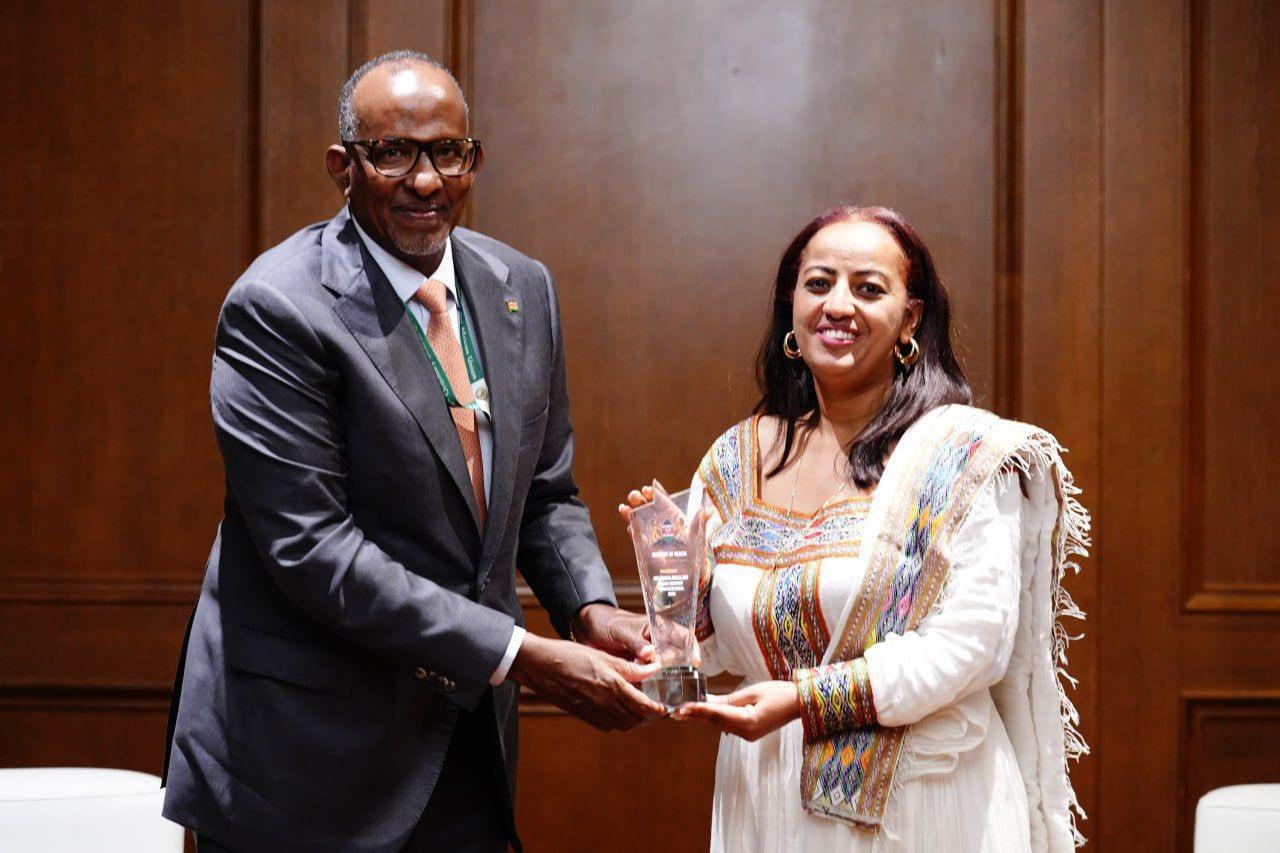
Health Cabinet Secretary Aden Duale announced the development after holding talks with Ethiopia’s Health Minister Dr Mekdes Daba Feyssa on the sidelines of the 39th Ordinary Session of the African Union.
Duale said the two countries, as State Parties to the International Health Regulations (2005) and partners within the Africa CDC framework, resolved to formalise collaboration mechanisms to tackle shared public health threats.
“Our discussions focused on shared health security challenges along the Moyale–Marsabit corridor, where highly mobile populations, including pastoralists, traders and humanitarian actors, heighten the risk of cross-border transmission of infectious and zoonotic diseases,” Duale said.
The Moyale–Marsabit border region has long been identified as a high-risk zone due to frequent movement of people and livestock between the two nations, increasing vulnerability to disease outbreaks.
According to Duale, priority areas of cooperation will include cross-border and genomic surveillance, strengthening laboratory linkages, emergency preparedness and coordination, enhanced One Health collaboration and health workforce development.
He said the measures are designed to improve early detection and rapid response to threats such as cholera, measles, Rift Valley fever and viral hemorrhagic fevers.
“We also committed to aligning Public Health Emergency Operations Centre coordination, exploring pooled emergency stockpiles for critical supplies and undertaking joint after-action reviews,” he said.
Duale emphasised that given the pastoralist nature of communities along the border, the partnership will reinforce a One Health approach integrating human, animal and environmental health systems.
“Given the pastoralist context, we will reinforce a One Health approach that integrates human, animal and environmental health systems, including surveillance for transboundary zoonoses and climate-sensitive early warning,” he added.
He noted that Kenya stands ready to formalize the commitments through a bilateral framework that operationalizes cross-border health security, safeguards communities and strengthens regional health systems on both sides of the border.
The Kenyan delegation included Medical Services Principal Secretary Dr Ouma Oluga, Head of Family Health Dr Bashir Issak, Director of Intergovernmental Relations Dr Ahmed Omar and Director of Health Standards Dr Lucy Musyoka.
In a separate engagement during the African Union meeting, Duale also held bilateral talks with Ghana’s Minister of Health, Kwabena Mintah Akandoh, aimed at advancing collaboration on Universal Health Coverage (UHC).
“Our discussions centered on strengthening Kenya–Ghana cooperation to accelerate access to affordable, quality and equitable healthcare for our people,” Duale said.
The two countries identified key areas of collaboration, including health workforce development, sustainable health financing, local manufacturing of medical products and technologies and the expansion of digital health systems.
“We agreed to pursue structured joint frameworks for workforce training and exchange, align on innovative financing models to safeguard long-term health investments and develop a shared roadmap to expand regional manufacturing capacity,” he said.
Additionally, Kenya and Ghana will pilot interoperable digital health initiatives designed to strengthen primary healthcare networks and improve service delivery outcomes.