Africa-Press – Kenya. Head of Public Service Felix Koskei has called for stricter financial discipline, directing the leadership of Tvet institutions to implement audit recommendations promptly.
He also asked the Technical and Vocational Education and Training institutions to submit quarterly progress reports to audit committees to strengthen accountability and governance.
Koskei expressed dissatisfaction over the persistent failure by some institutions to act on internal and external audit findings, which he described as critical tools for strengthening governance and operational efficiency.
“Unfortunately, in several Tvets, both external and internal audit reports remain unimplemented. This is unacceptable as it undermines governance, erodes public trust and weakens institutional performance,” he said.
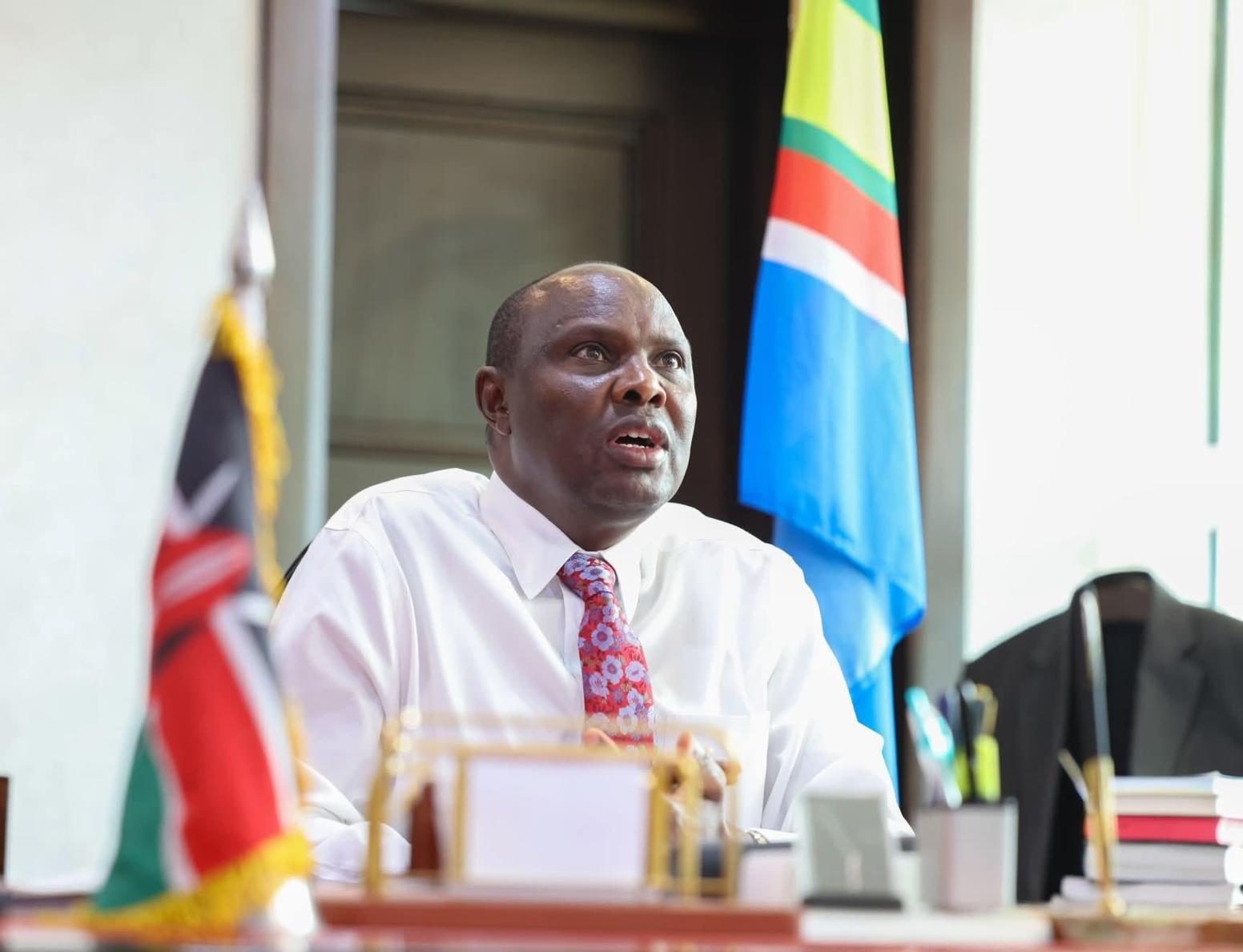
Koskei spoke during a virtual meeting with the leadership of Tvets.
The Head of Public Service said audit findings must lead to corrective action and measurable improvement, saying institutional efficiency is determined by implementation rather than documentation.
“Efficiency is achieved not by producing reports but by acting on them,” Koskei said.
He directed that audit recommendations be tracked systematically, implemented promptly and reported regularly to institutional audit committees, with senior management held accountable for delays.
The State Department for Tvets, he said, will review compliance reports and submit them to the cabinet secretary and his office copied.
Koskei instructed that Internal Audit and Risk functions must operate independently, be adequately staffed and professionally equipped, and report directly to council audit committees without interference from management.
“These departments are not ceremonial units but governance pillars as provided for under the Public Finance Management Act,” he said, adding audit teams must have unrestricted access to information and institutional systems.
Koskei called for investment in modern audit tools and capacity building, noting that contemporary audit functions require specialised software and continuous professional training.
The Chief of Staff reiterated the government’s commitment to the Zero Fault Audit framework rolled out two years ago, which focuses on prevention rather than correction by strengthening systems, identifying vulnerabilities early and standardising internal controls.
The meeting comes just days after a similar engagement with university vice chancellors and head of audits, where he issued comparable directives on financial discipline, governance and implementation of audit recommendations.
He said the framework had already shown results, with at least five Tvet institutions demonstrating that zero-fault compliance is achievable.
Koskei tasked Tvets Principal Secretary Esther Muhoria to ensure institutions work towards unqualified audit opinions in the current financial year, meaning full compliance with financial regulations and reporting standards.
“As an office, we are not relenting in our push towards a zero-fault audit in all public institutions. It must cover financial management, asset management and academic processes to minimise losses and enhance effectiveness,” he said.
Beyond financial accountability, Koskei said academic integrity must be treated with equal seriousness, warning that the reputation of public Tvets depends on credible certification and transparent assessment systems.
He directed institutions to strengthen examination controls, including secure handling of exam materials, proper moderation, transparent grading processes, accurate storage of marks and traceable audit trails for any grade changes.
Academic registrars will be required to submit periodic audit verification reports to the state department, which will also conduct random checks.
“Academic integrity is not negotiable. The performance and reputation of each public Tvet institution will be defined by strong governance, vigilant oversight and personal responsibility at leadership level,” he said.
Koskei also reminded institutional heads that public resources are a trust, not an entitlement, and must translate directly into improved training outcomes.
“Every shilling allocated to a public TVET must be accounted for in quality training, functional equipment and credible certification for learners,” he said.
He urged institutions to optimise human resources, avoid fragmentation of development spending and ensure ongoing projects are completed before launching new ones.
According to Koskei, efficiency and effectiveness in governance, financial management and academic administration are operational standards that must be met if the Tvet sector is to deliver skilled manpower for the economy.
The meeting also heard a presentation from the Office of the Auditor General highlighting persistent cross-cutting weaknesses across institutions.
These include financial statement inaccuracies, unreconciled balances, undisclosed assets, incomplete asset registers, weak revenue management systems, ineffective boards, weak internal audit functions, engagement of unregistered trainers and irregular imprest management.
Some institutions also lack documented accounting policies, while others face long-standing student fee arrears.
Kenya currently has 1,433 public Tvet institutions, including 36 national polytechnics, 318 technical and vocational colleges and 1,079 vocational training centres managed by county governments.
Audit trends presented during the meeting show mixed performance over the past three years. A total of 349 audits were conducted, with four institutions receiving disclaimer opinions during the period.
Adverse opinions rose from none in the 2022-23 financial year to nine in 2023-24 before declining to three in 2024-25.
However, the number of qualified opinions increased sharply from 34 to 145, indicating widespread compliance gaps. Only three institutions achieved unmodified audit opinions over the three-year period.
Koskei warned that weak systems and poor governance structures would continue to undermine the sector unless leadership at institutional level takes personal responsibility for reform.
“The funds and trust we manage are public assets. Their management must demonstrate discipline, transparency and accountability at every level,” he said.
He further directed that institutional councils and audit committees meet regularly to scrutinise reports, document decisions and escalate any cases of non-compliance or delayed corrective action to the state department for monitoring.
Koskei said restoring credibility in the Tvet sector requires strong internal controls, disciplined execution and a culture of continuous improvement, noting that institutional performance would ultimately be judged by outcomes rather than intentions.