Africa-Press – Kenya. Members of Parliament have raised concern over a Sh300 billion public-private partnership contract between the National Transport and Safety Authority (NTSA) and Pesa Print Limited.
The contract will see Pesa Print undertake the production of smart driving licenses for the next 21 years, at an estimated cost of about Sh300billion.
However, the National Assembly’s Public Debt and Privatisation Committee questioned the logic of outsourcing a highly profitable public service that had already been generating billions for the government.
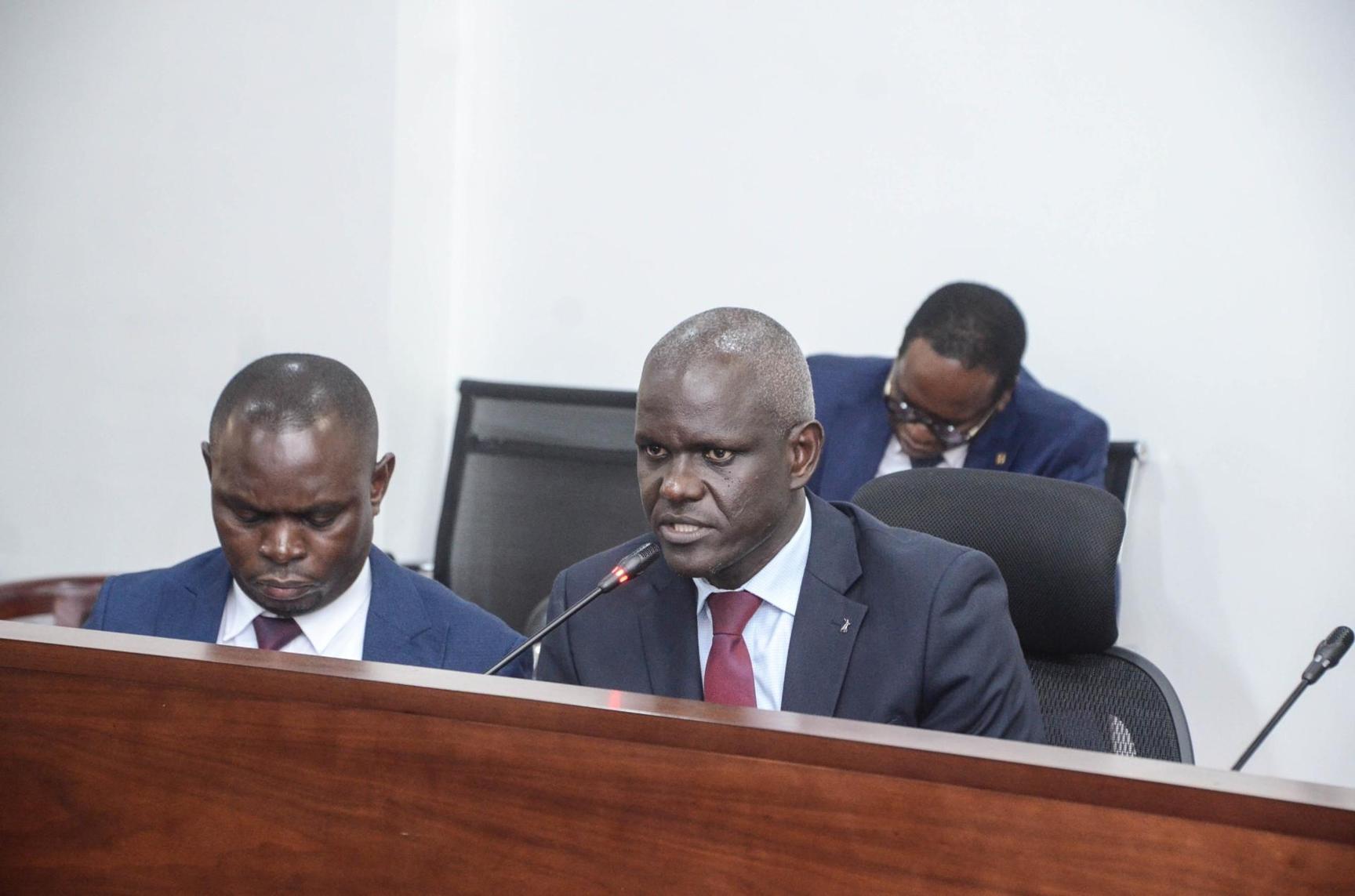
Appearing before the Abdi Shurie chaired committee, NTSA Director General Nashon Kondiwa faced tough questions over the 21-year contract,
which MPs say could allow the private partner to rake in up to Sh600 billion in profits from a project largely funded and proven viable by taxpayers.
“According to what you said this was generating some good amounts to the national treasury, why shift to a private partnership model for a system that was already delivering strong returns to the Exchequer?” asked the chair.
Data presented to the committee showed that the smart driving licence project had generated Sh6.7 billion in revenue for the government against an investment of just Sh1.2 billion—an over 500 percent return.
Lawmakers argued that instead of expanding a profitable model, the government opted to hand over the project to private players under terms they described as disproportionately favourable.
“This is one of the few projects where government put in Sh1.2 billion and got back Sh6.7 billion. Why abandon such a model?” posed Ijara constituency lawmaker Abdi Ali Abdi.
Under the new arrangement, projections indicate total revenues could hit Sh900 billion over the contract period, with about 76 per cent of earnings flowing to the private partner.
MPs criticised the structure of the deal, saying it locks in private profits for over two decades while exposing taxpayers to long-term risks.
“For 21 years, you are giving away a revenue stream from Kenyan drivers to a private entity. Who in their right mind would do that?” Nominated MP Suleka Harun asked.
The committee further questioned the need for a private partner in a project largely centred on printing secure driving licences, arguing that the government already has the technical capacity through agencies like the National Registration Bureau.
The MPs further raised over the profitability margins, noting that projected costs of Sh300 billion against revenues of Sh900 billion translate into outsized returns for the private investor.
In response, Kondiwa attributed the shift to a public-private partnership (PPP) model to chronic underfunding by the National Treasury, which slowed the rollout of smart licences.
Despite the project’s profitability, NTSA said it struggled to scale due to limited budget allocations, having issued only 2.7 million smart licences out of a target of 5 million over nearly nine years.
“The revenue generated goes directly to the Exchequer, not NTSA. That created a funding gap for expansion,” Kondiwa said.
He argued that the PPP model would unlock financing to scale up operations, expand enrolment centres from just 30 to nearly 300 nationwide, and integrate new systems such as automated traffic offence management.
The project also aligns with regional and international requirements to standardise driving licences across multiple African countries under the Transit and Trade Facilitation framework.
However, MPs remained unconvinced, raising fresh concerns over how the deal was procured and whether due process was followed in transitioning from a publicly funded project to a PPP.
Shuriye questioned whether alternative options such as borrowing or restructuring revenue-sharing with the Treasury had been adequately explored before opting for privatisation.
The committee warned of potential contingent liabilities, including government commitments to meet minimum production targets or risk losing revenue shares.
The committee signaled it may summon officials from the National Treasury and the PPP Directorate to explain the financial modelling and approval of the deal.
“There is a real risk that Kenyans are losing a lucrative public revenue stream to private interests,” the chair added.