
What You Need to Know
Kenya’s energy regulator has increased fuel prices, with super petrol rising by 28.69 Shillings and diesel by 40.3 Shillings per liter. The hikes, attributed to soaring import costs, have led to immediate increases in transport fares, with minibuses raising prices by 25%. This change is expected to have broader economic implications as inflation pressures mount.
Africa-Press – Kenya. Kenya’s energy regulator on Tuesday raised the prices of super petrol and diesel by 28.69 Shillings per liter and 40.3 Shillings per liter, respectively.
The Energy and Petroleum Regulatory Authority (EPRA) blamed a surge in imported fuel costs for the hikes.
Petrol now costs 206.97 Kenyan Shillings ($1.60) per liter, while diesel stands at 206.84 Shillings.
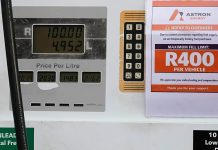
Motorists rushed to fill up their tanks hours before the new prices took effect, causing long lines at service stations.
Transport fares immediately shot up, with minibuses raising fares by about 25 percent overnight.
Bus operators increased fares by between $1.54 and $3.86.
The ripple effects are expected to spread across the broader economy, as rising fuel costs drive up the price of goods and services.
Inflation stood at 4.4 percent in March, slightly up from 4.3 percent in February, with price pressures continuing to build.
Kenya sources nearly all of its fuel from Gulf suppliers in Saudi Arabia, UAE and Bahrain.
Kenya has faced fluctuating fuel prices due to its reliance on imports from Gulf countries, primarily Saudi Arabia, UAE, and Bahrain. The Energy and Petroleum Regulatory Authority (EPRA) regularly adjusts prices based on global market trends and local economic conditions. Recent increases in fuel prices have raised concerns about inflation and the cost of living, as transport fares and goods prices are directly affected by fuel costs. The country’s inflation rate has shown slight increases, reflecting ongoing economic pressures.