
What You Need to Know
President William Ruto has rejected calls for protests over rising fuel prices, asserting that such actions will not resolve the issue. He emphasized the need for practical solutions to stabilize prices, including addressing global conflicts. Ruto’s comments follow threats of mass protests from former Deputy President Rigathi Gachagua, who urged immediate parliamentary action on the matter.
Africa-Press – Kenya. President William Ruto has dismissed calls for protests over rising fuel prices, saying demonstrations will not lower costs, in a direct response to threats of mass action by former Deputy President Rigathi Gachagua.
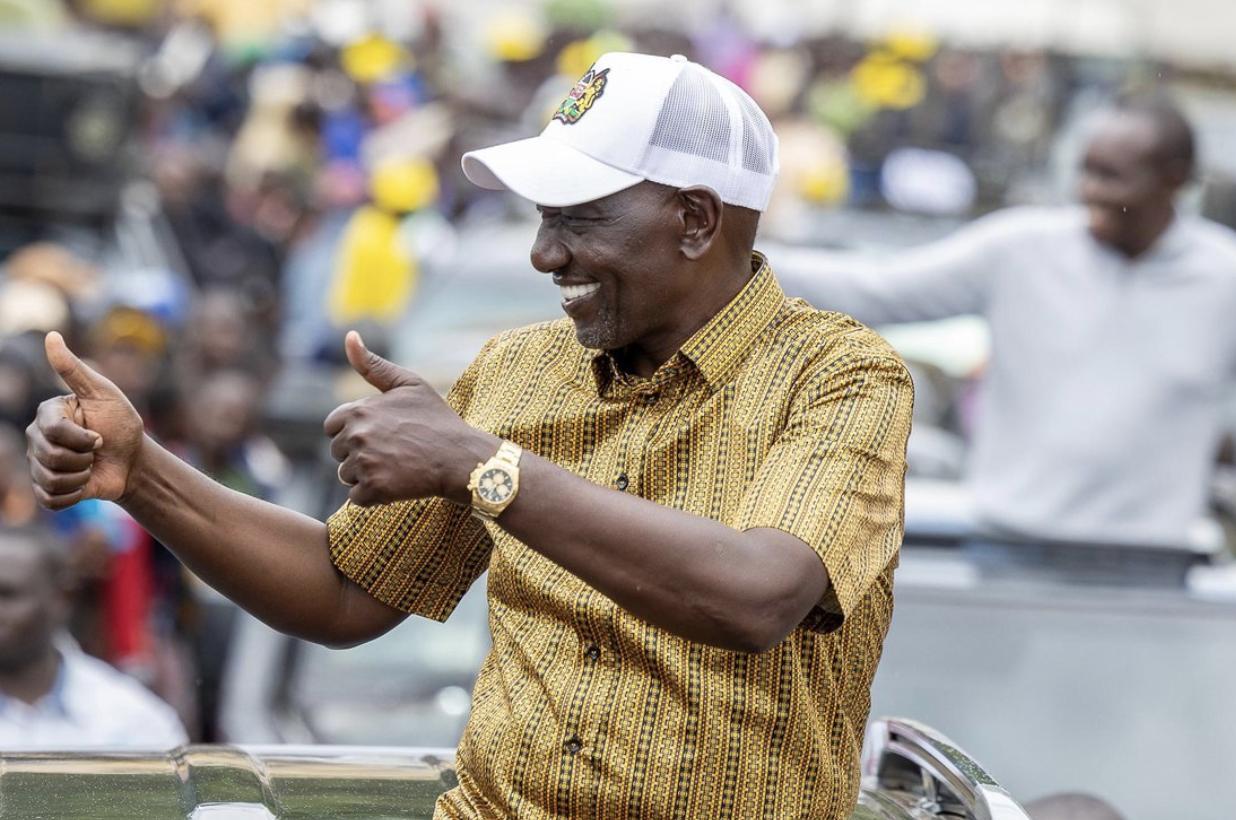
Speaking during his tour of the Gusii region on Wednesday, Ruto hit out at critics pushing for protests, insisting that such action would not address the underlying causes of high fuel prices.
“Some people are saying that because prices have gone up, they want to protest. If you protest, will the prices come down?” he posed.
“We must use our heads to find solutions to bring down fuel prices, including ensuring that global conflicts are resolved,” he added.
Ruto’s remarks come after Gachagua urged the President to convene a special sitting of Parliament within seven days to address pressing national issues, warning that failure to do so would trigger nationwide protests.
Despite the pressure, Ruto maintained that his government is focused on stabilising prices and cushioning Kenyans from global shocks.
“I want to assure Kenyans that we will ensure fuel prices do not rise further,” he said.
The President acknowledged that the country is facing multiple economic challenges, including pressure from high fuel costs.
“There are many challenges facing the country right now, including fuel prices,” he said.
He pointed to the government-to-government (G-to-G) fuel import arrangement as a key intervention that has helped stabilise supply.
“We adopted the G-to-G arrangement, which helped stabilise our country at a time when many others were going through very difficult circumstances,” he said.
Kenya has faced rising fuel prices due to various global economic pressures, including conflicts that disrupt supply chains. The government has implemented measures like the government-to-government fuel import arrangement to stabilize prices amidst these challenges. Protests have historically been a means for citizens to express dissatisfaction with economic conditions, but leaders often argue for dialogue and policy solutions instead of demonstrations. The current administration is under pressure to manage these economic issues effectively while maintaining public order.