What You Need to Know
Kenya and UN member states are engaged in discussions to empower nations to tax multinational corporations more effectively. The talks, part of the UN Economic and Social Council Financing for Development Forum, aim to establish global rules that protect taxing rights and combat tax evasion, potentially unlocking significant revenue for Kenya.
Africa-Press – Kenya. Kenya and other United Nations member countries have resumed talks aimed at granting states more powers to tax multinational firms.
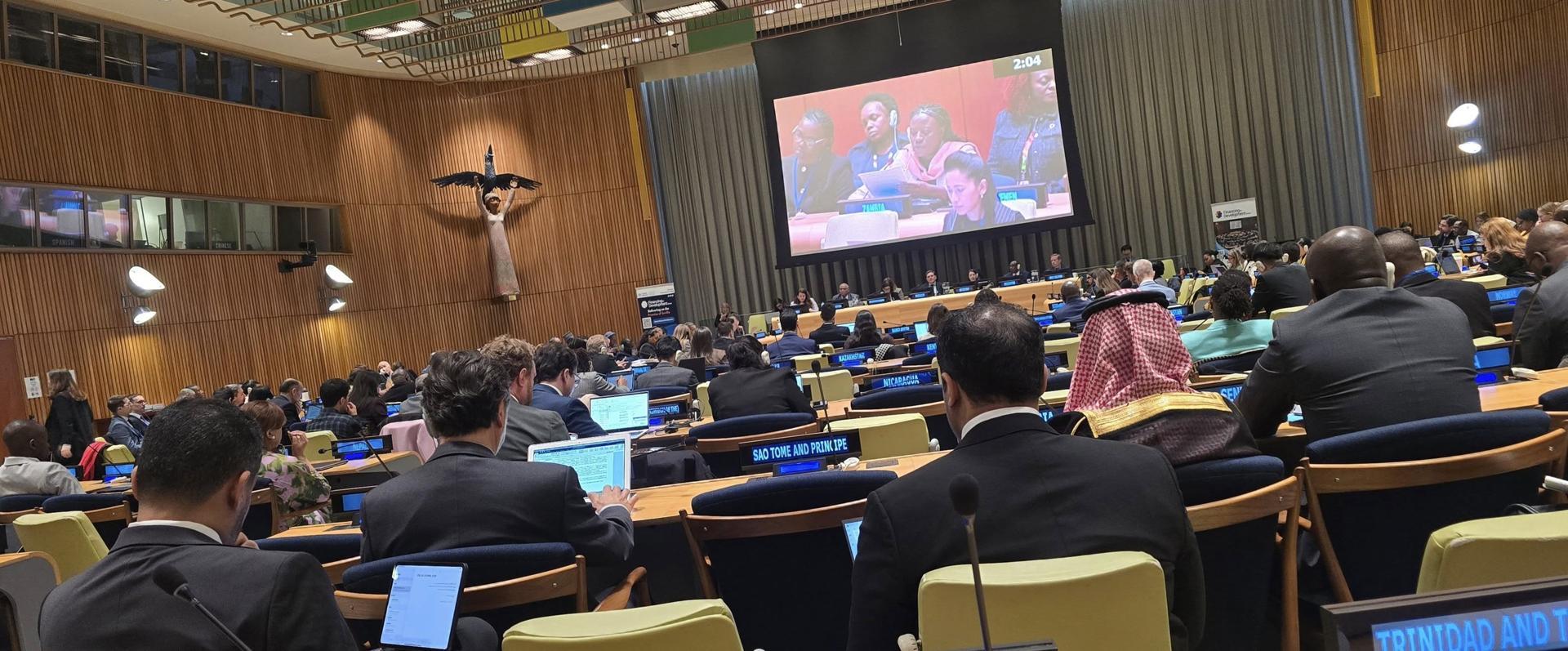
This, as UN Economic and Social Council Financing for Development Forum convened from 20–24 April 2026, where African countries want global rules to better protect their taxing rights and curb tax evasion by global companies.
The convention could unlock billions in additional tax revenues for Kenya, which could have more say in taxation on multinationals.
These include technology and social media giants such as Google, Meta Platforms Inc., which covers Facebook, Instagram and WhatsApp, Microsoft (registered for VAT and Digital Services Tax) providing cloud and data services and the likes of Amazon among others.
It cold also help Kenya strengthen its fight against illicit financial flows following an earlier adoption of the new United Nations-led framework.
The adoption marked a shift from a system that had long been dominated by institutions such as the Organisation for Economic Co-operation and Development, which have been guiding taxation for global organisations.
“The 2025 Fourth International Conference on Financing for Development reaffirmed the need for stronger international tax cooperation and a more inclusive, effective global tax system, reinforcing momentum behind the UNFCITC process,” said Tax Justice Network Africa executive director, Chenai Mukumba.
“As the financing for development forum meets from 20–24 April 2026, these debates continue to shape Africa’s role in efforts to reform the global financial architecture.”
From the talks, the African group proposed a framework convention rather than a single treaty.
This format allows for the establishment of general principles while also permitting specific protocols.
Two initial protocols are already under negotiation: Taxation of cross-border services in the digital economy and the prevention and resolution of tax disputes.
On completion of the talks and a full adoption of the agreement, the move is expected to give developing countries, including Kenya, a stronger voice in setting international tax standards an area that has historically tilted in favour of advanced economies.
The UN framework is expected to strengthen international cooperation on tax transparency and information sharing, making it harder for individuals and corporations to conceal income offshore.
At the heart of the proposed convention is a push to ensure countries can more effectively tax economic activity taking place within their borders.
Kenyan authorities have long raised concerns about profit shifting by multinational firms, where companies declare earnings in low-tax jurisdictions despite generating revenue locally.
The new framework seeks to close such loopholes by establishing fairer rules on how taxing rights are allocated across countries.
This is particularly relevant for Kenya’s growing digital economy, where global technology firms generate income without a significant physical presence.
Today, the international tax architecture is largely shaped by the OECD, the G20, the IMF and the World Bank.
Even though the OECD’s Inclusive Framework has broadened participation since 2016, many African countries feel they lack real influence on the agenda or decisions.
For Kenya, which is grappling with rising public debt and mounting pressure to boost domestic revenues, the framework presents an opportunity to address structural weaknesses in tax collection, particularly those linked to multinational corporations and cross-border transactions.
The global tax landscape has been historically dominated by organizations like the OECD, which have shaped taxation policies favoring advanced economies. In recent years, there has been a growing call from developing nations, particularly in Africa, for a more equitable tax system that allows them to assert their rights over multinational corporations operating within their borders. This shift is crucial for countries like Kenya, which are striving to enhance their tax revenues and combat issues like profit shifting and tax evasion.