Faridah N Kulumba
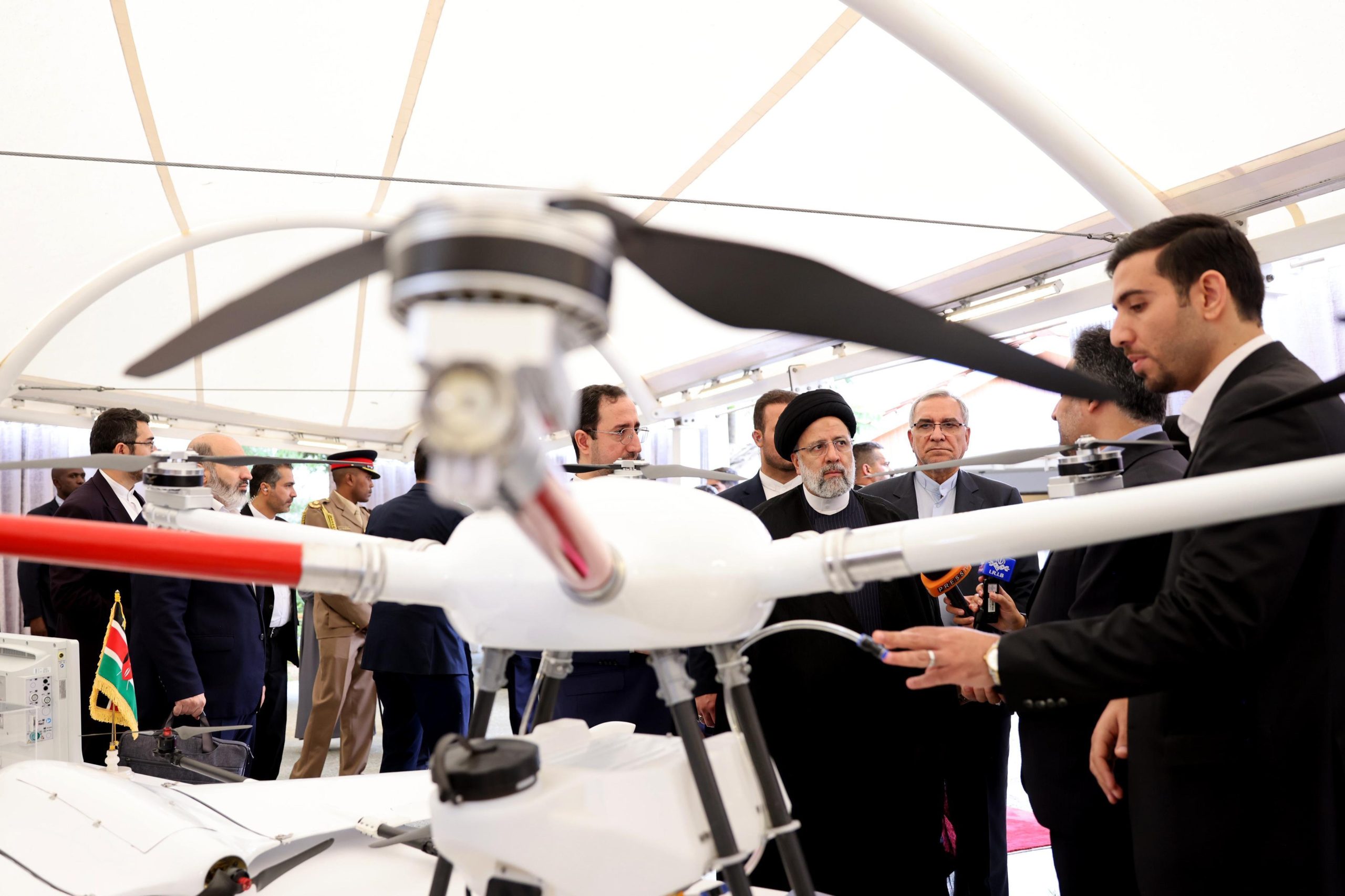
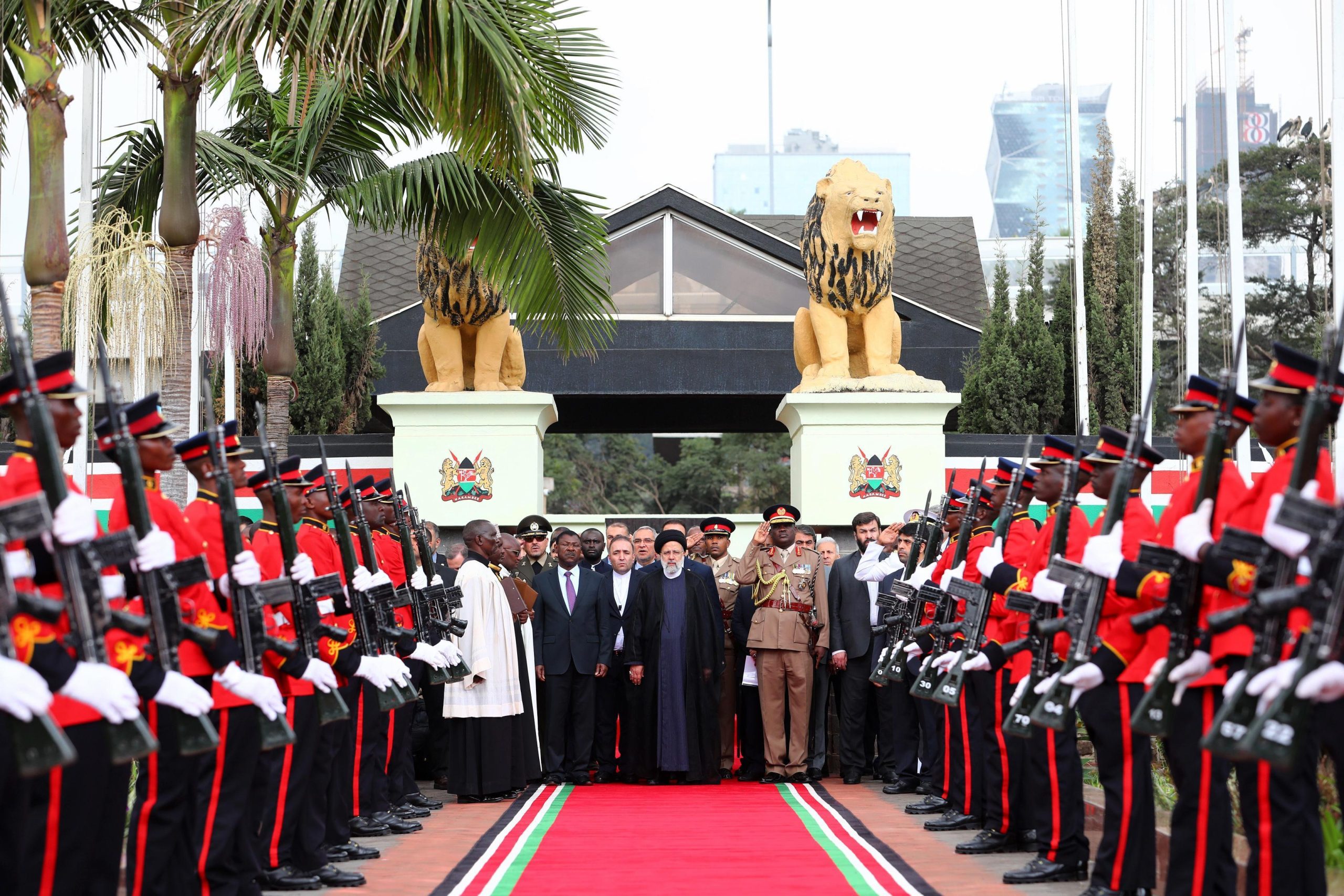
Africa-Press – Kenya. The Islamic Republic of Iran President Ebrahim Raisi on 12th July this year started his three-country tour of Africa from Kenya where he was received by Kenyan President William Ruto in seeking to strengthen diplomatic and trade links on the African continent.
President Raisi’s tour to Kenya, Uganda, and Zimbabwe was the first by an Iranian president in the past 11 years. The last visit by an Iranian leader to Africa was by Mahmoud Ahmadinejad in 2013.
Raisi’s tour represents a bid to diversify economic ties in the face of crippling United States (U.S.) sanctions. The visit comes as the Islamic Republic tries to shore up diplomatic support to ease its international isolation.
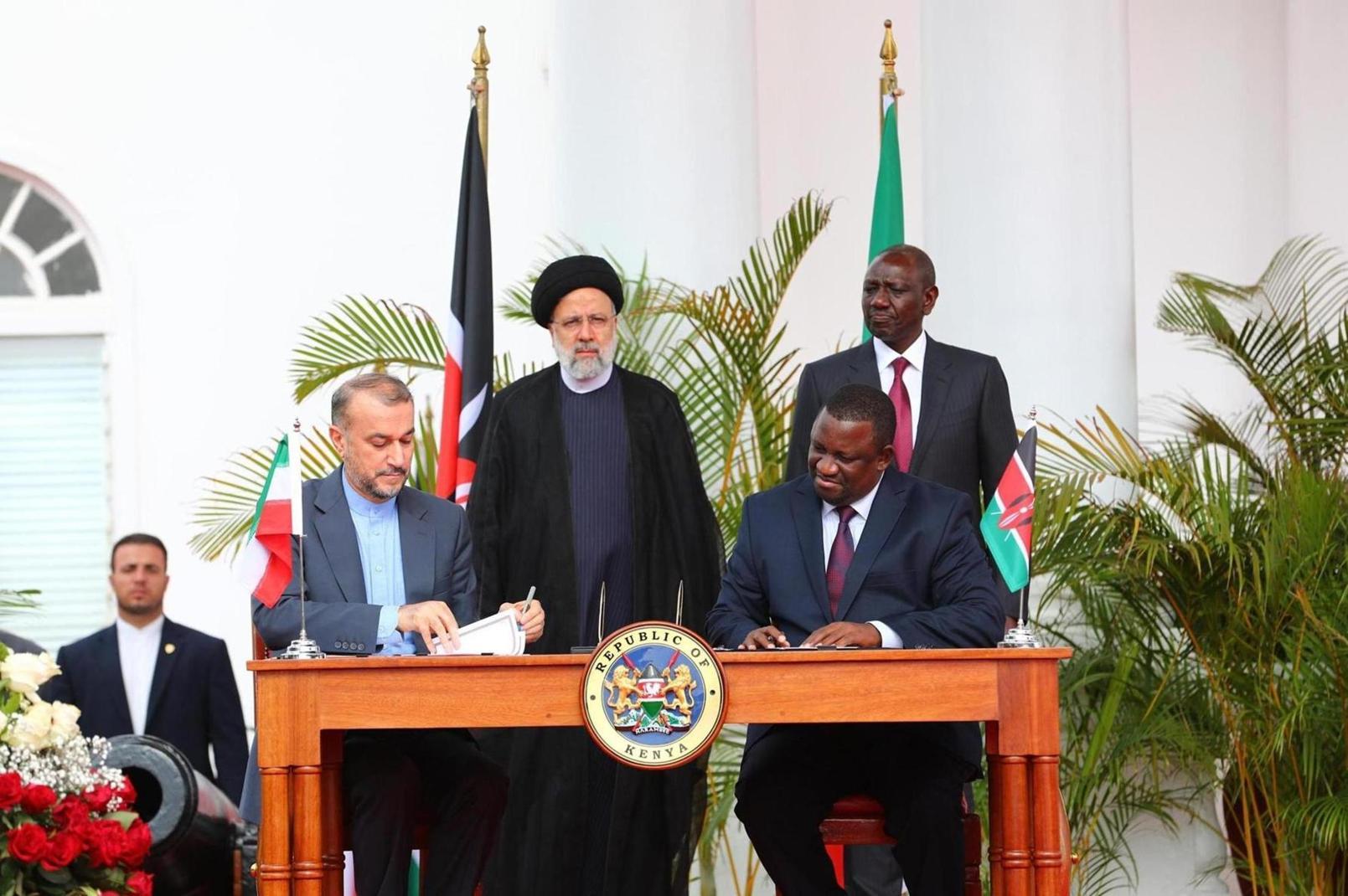
President Ruto and his Iranian counterpart Raisi signed agreements to increase cooperation on information and technology, fisheries, animal health, livestock products, and investment promotion.
Vows to strengthen governments ties
President Raisi described his visit to Kenya as a turning point in the development of relations between the two countries.
According to President Raisi the discussions and exchanges Iran had with Kenya during his tour, registered the determination of both countries for expansion of economic and trade cooperation, political cooperation, and cultural cooperation between the two countries.
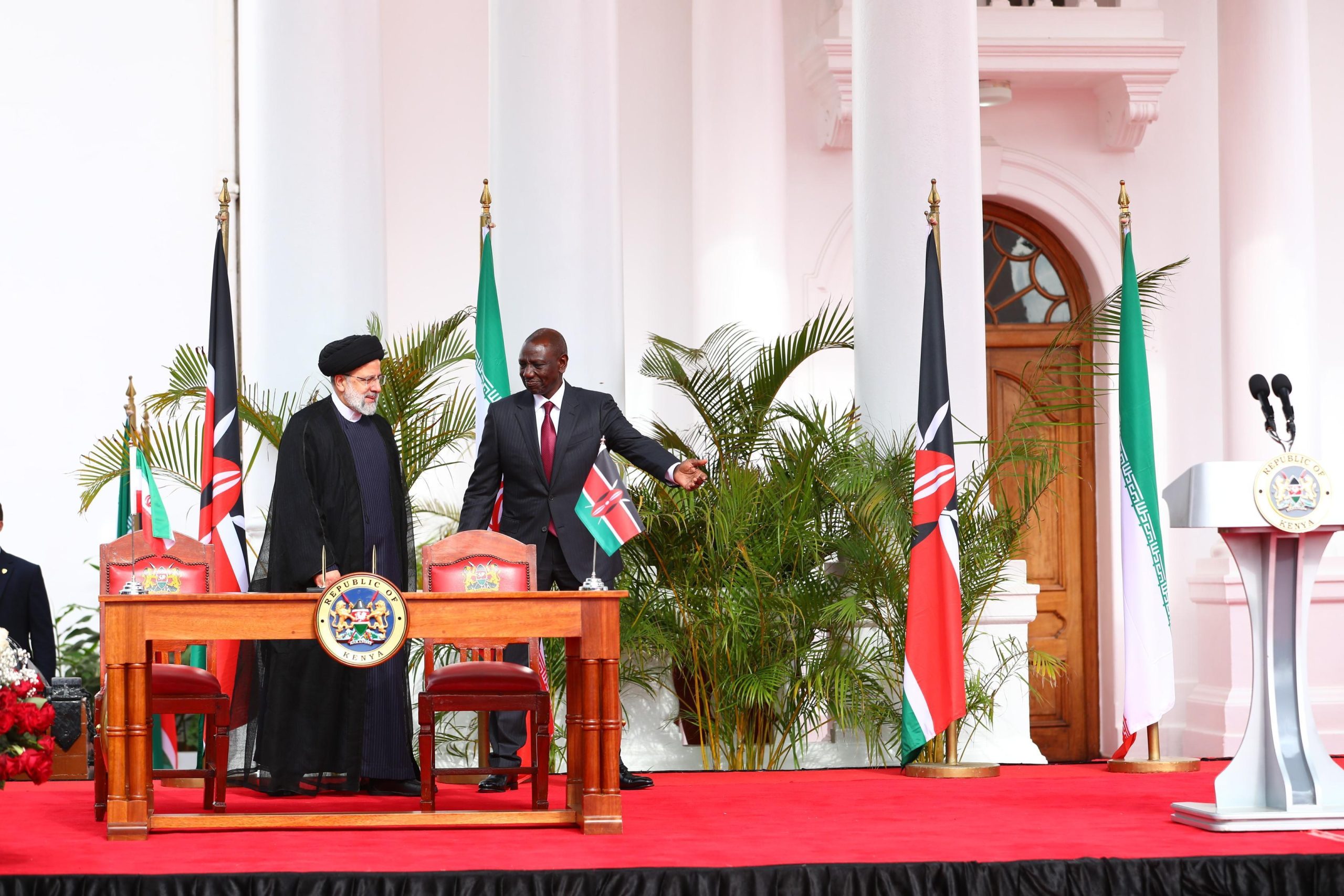
He hoped that the relevant authorities and officials in both countries could exercise a lot of effort in order to provide the groundwork for further cooperation of relations between the two countries, which could also lead to the development of regional cooperation.
On the other hand, President Ruto described Iran as “a critical strategic partner for Kenya” and said the two governments had signed five Memoranda of Understanding (MoUs) focusing on areas including information technology, investment promotion, and fisheries.
According to President Ruto, the five MoUs that were signed will enhance and further deepen the two nation’s bilateral relations for sustainable growth and development between the two countries.
Tour fruits
Kenyan President Ruto revealed that The government of Iran intends to set up a motor vehicle assembly plant in Mombasa to manufacture an indigenous Iranian vehicle that has now been given the Kiswahili name ‘Kifaru,’ meaning rhino, and I hope.
President Ruto also sought Raisi’s commitment to facilitate the export of more Kenyan tea, meat, and other agricultural products to Iran and via Iran to Central Asian countries.
The current government of Kenya Under President Ruto’s administration is struggling with debt and rising living costs. Opposition leader Raila Odinga, who lost last year’s election to President William Ruto, has repeatedly called on Kenyans to protest as the country struggles with debt and rising prices.
On Wednesday Kenyan police officers shot dead six people and more than 50 schoolchildren were tear-gassed during the new protests in the country against the rising cost of living.
The opposition leader behind the demonstrations vowed they would continue until a new law imposing more taxes is repealed.
The government of Iran said it expects trade with African countries to increase to more than USD 2 billion this year, according to the country’s foreign ministry.
Iranian government stepped up its diplomatic outreach to developing world countries after then-U.S. President Donald Trump ditched a nuclear pact in 2018 and reimposed sanctions.
In June this year, Raisi visited Venezuela, Cuba, and Nicaragua to shore up support with allies also saddled with US sanctions.
Kenya and Iran relations in recent years
The Islamic Republic of Iran and the Republic of Kenya have in the past continued to cooperate which hasn’t always been viewed favorably by the West. The two nations have signed numerous MoUs including a deal to export 4 million tonnes of oil to Kenya annually, direct flights between Tehran and Nairobi, and scholarships for Kenyans to pursue higher education in Iran.
All of these agreements were signed during the visit by Iran’s President, Mahmoud Ahmadinejad to Kenya in 2009.
The President of Kenya Ruto during Mr. Raisi’s visit to the country said stronger collaboration with Iran is important for the Kenyan economy, and that trade volumes between their nations have increased.
Ruto also said Kenya is highly encouraged by the great interest shown by Iran in promoting technological and entrepreneurial innovation among Kenyan youth by promoting the incubation of Kenyan startups and creative industry through the Iran House Innovation and Technology Center.
Exports from Kenya to Iran in 2012 stood at KES. 1.95 billion (EUR. 18.3 million) while the value of imports from Iran to Kenya stood at KES. 3.67 billion (EUR. 34.5 million). Kenya’s Foreign Cabinet Secretary stated that many powerful countries in the world still maintained trade relations with Iran and that both countries would keep trading.
Iran is one of the largest buyers of Kenyan tea. Kenya increased its tea exports to Iran from 2 million kilos to 10 million kilos over a five-year period. Demand for tea in Iran stands at 116 million kilos, with Iran only producing 20 million kilos. Kenya sells about 20 percent of its tea to Iran.
Kenya exported tea worth 28.4 million U.S. dollars, about 4 billion shillings, to Tehran in the first quarter of this year, which is an eight-fold increase from sales from the same period last year.
For More News And Analysis About Kenya Follow Africa-Press